Ready to green your grey infrastructure? Discover Ecoreef →
1,333,018 Meters OF MARINE BARRIERS AND COUNTING  LIVE
LIVE
Solutions for marine pollution control, coastal and shoreline protection to effectively address environmental concerns.
View All Products
Solutions for the protection of critical infrastructure and other high-security areas.
View All Products
End-to-end solutions for environmental protection, safety and security applications that protect, monitor and regenerate marine environments.
View All Solutions
End-to-end marine and engineering services designed to ensure high-performing projects.
View All Services
Industry-focused expertise delivering proven solutions for coastlines and waterways, from initial concept to long-term operation and protection.
View All Industries

Solutions for marine pollution control, coastal and shoreline protection to effectively address environmental concerns.
View All Products
Solutions for the protection of critical infrastructure and other high-security areas.
View All Products
End-to-end solutions for environmental protection, safety and security applications that protect, monitor and regenerate marine environments.
View All Solutions
End-to-end marine and engineering services designed to ensure high-performing projects.
View All Services
Industry-focused expertise delivering proven solutions for coastlines and waterways, from initial concept to long-term operation and protection.
View All Industries

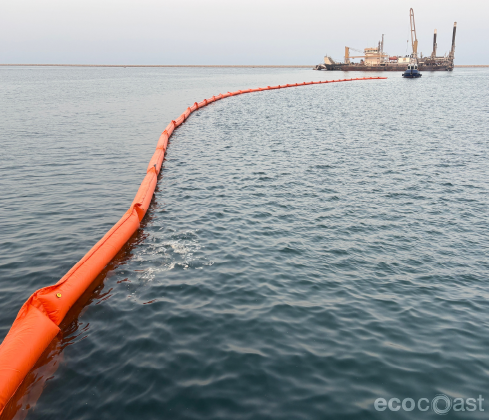
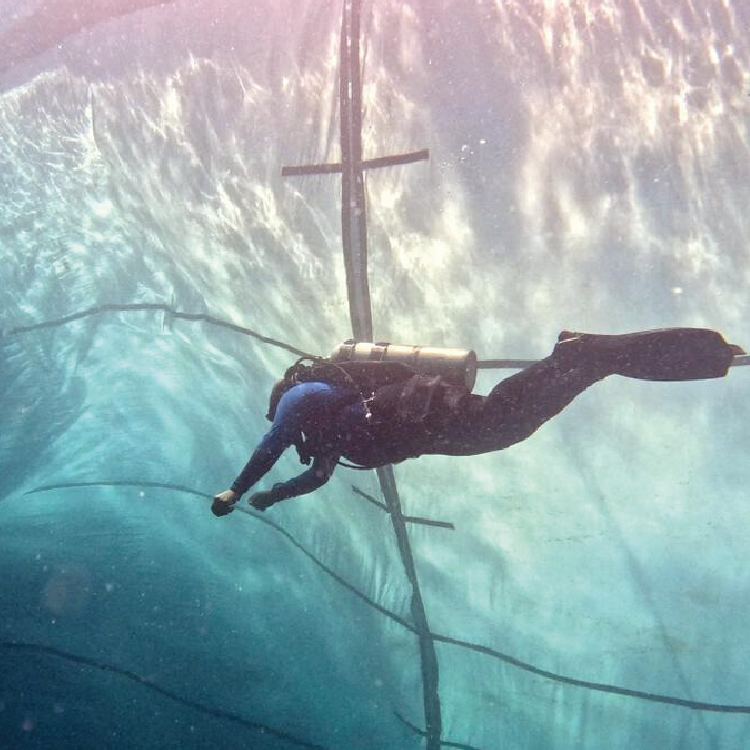
Silt curtains, also known as turbidity curtains, silt barriers or turbidity barriers, are vertical barriers deployed in water bodies during marine construction, dredging or land reclamation. They float on the water’s surface and extend downward to form a temporary wall, containing fine sediment and silt within a defined area so it settles rather than dispersing and clouding the surrounding water.
By containing suspended particles, turbidity curtains protect the marine environment from the impact of construction activities, support compliance with environmental regulations, and keep operations running efficiently. Our range includes the Ecobarrier Silt Curtain Green, a fully recyclable, EPS-free option for projects prioritizing sustainability. It addresses the industry’s growing single-use waste problem. Engineering and marine services, including water quality monitoring, are available if needed. Get in touch to learn how we can support your next project.



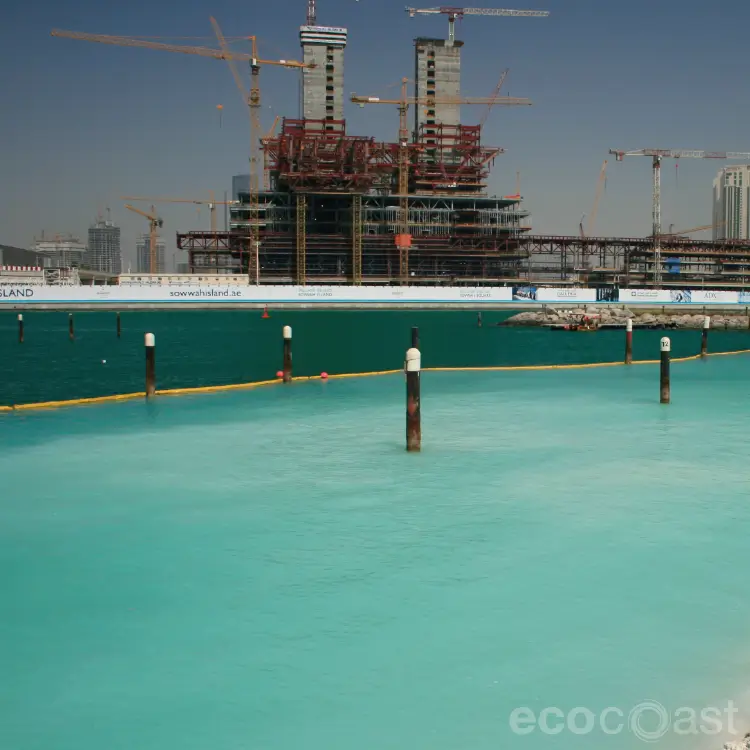
Introducing Ecobarrier Silt Curtains for rapid assembly and improved silt and sediment containment.
Having a contracting background, we understand your on-site requirements. Our latest design innovation features fully integrated Quick Connect ‘No-Gap’ panels, ensuring rapid assembly and enhanced containment capabilities. Rigorous calculations were performed to guarantee the Ecobarrier Silt Curtains meet and even exceed performance specifications.
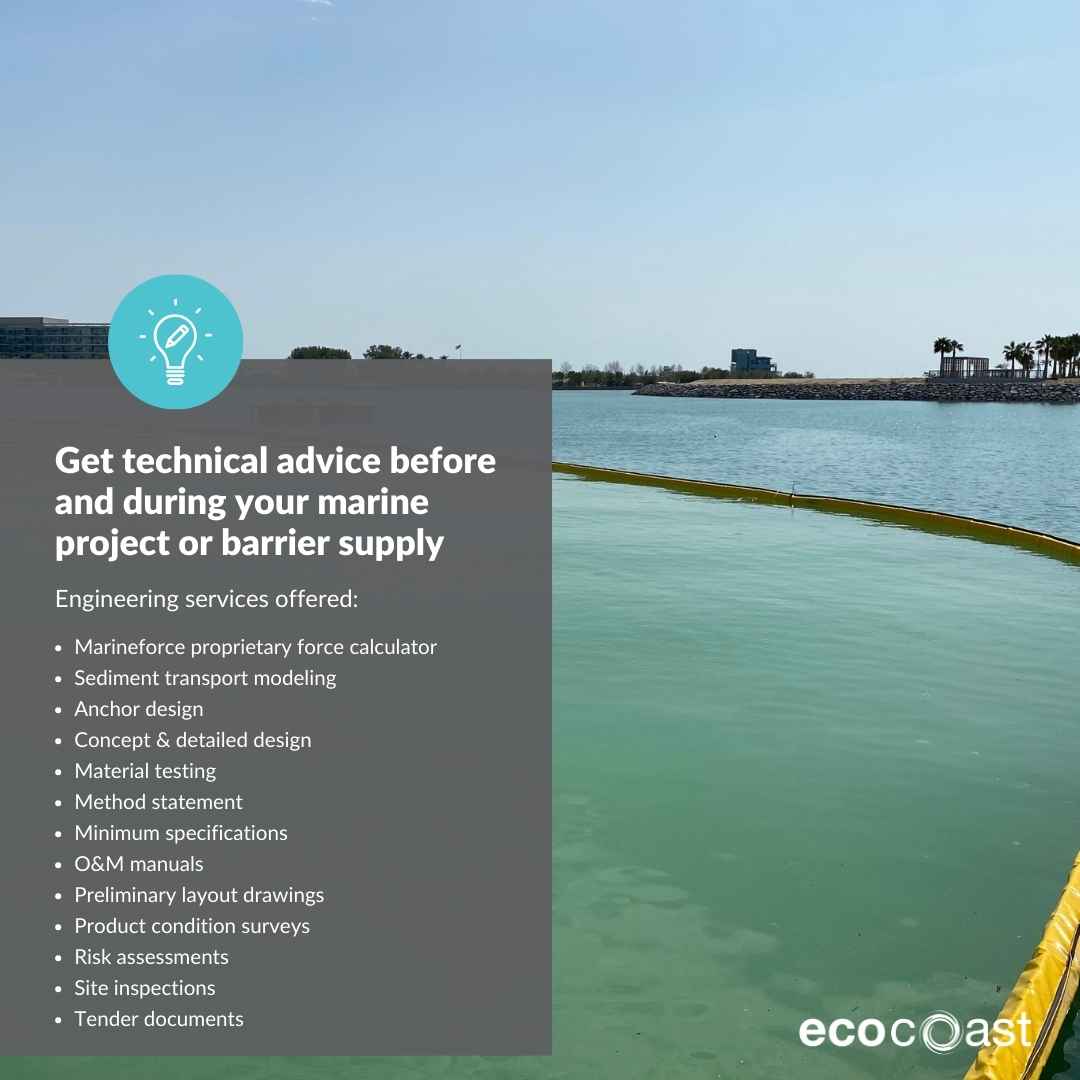
Marineforce, our proprietary force calculator is available as a service, to accurately calculate forces on silt curtains.
:
ESC-range
:
Reflective strips, modular/tapered skirts, branding
:
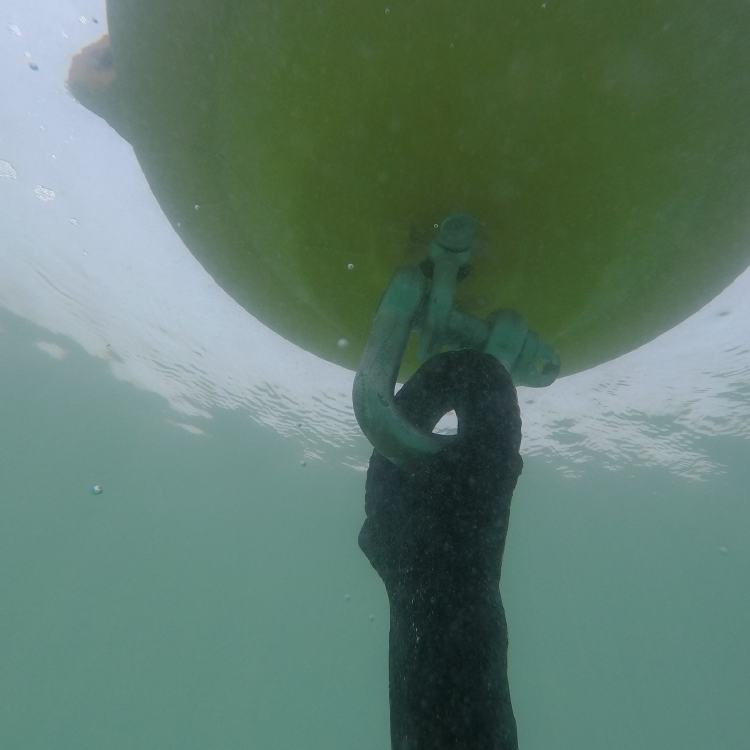
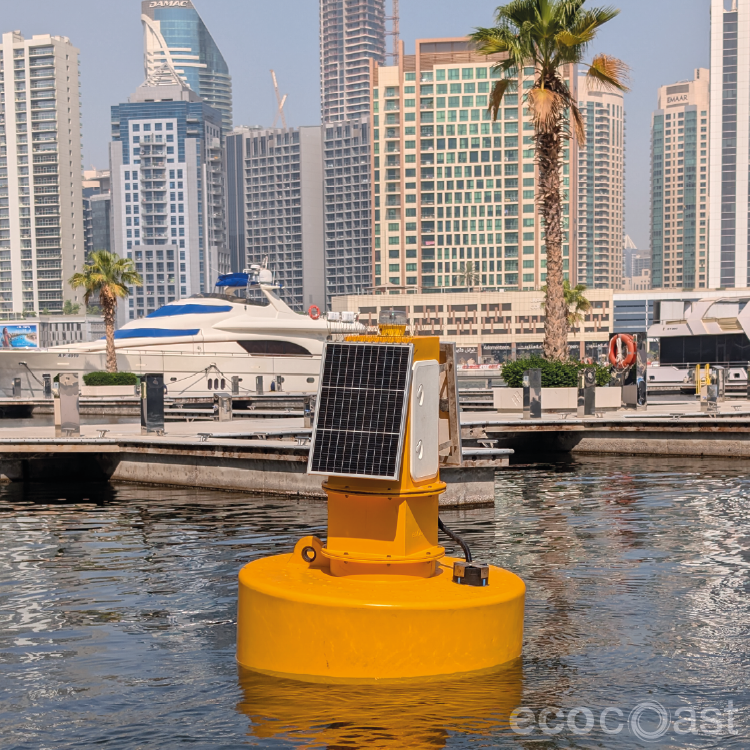
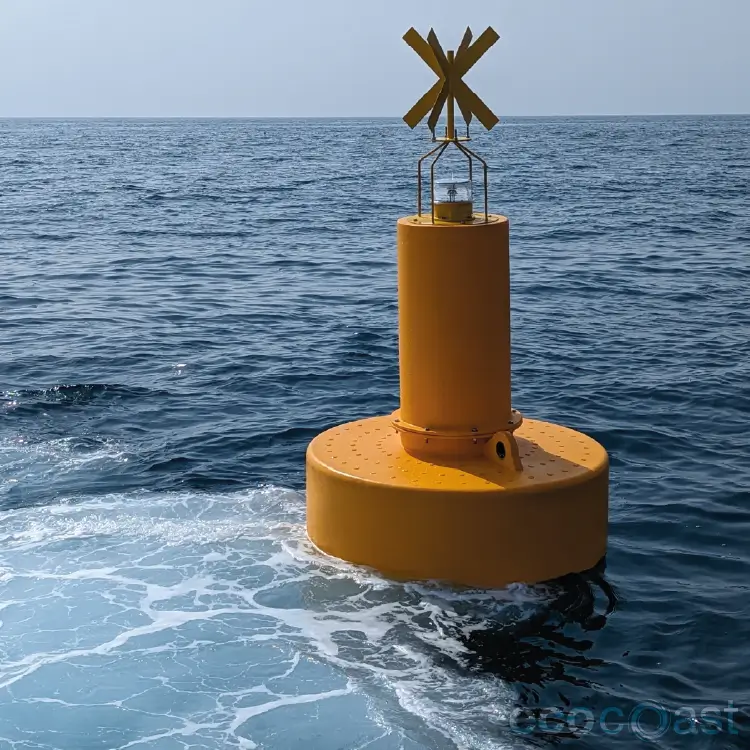
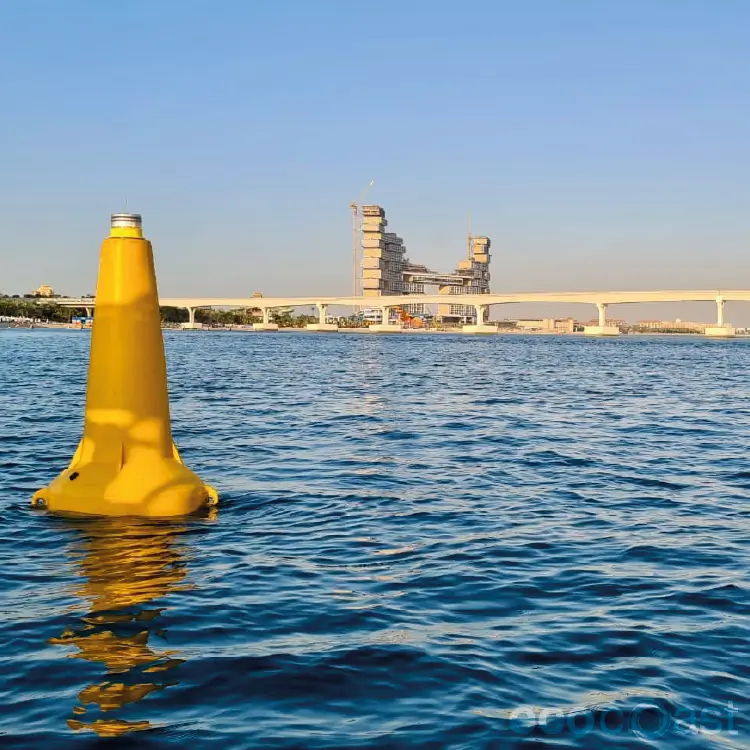
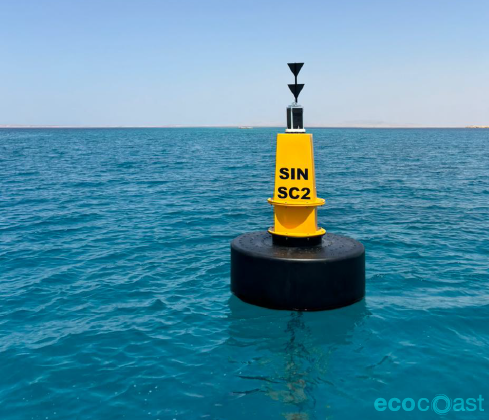
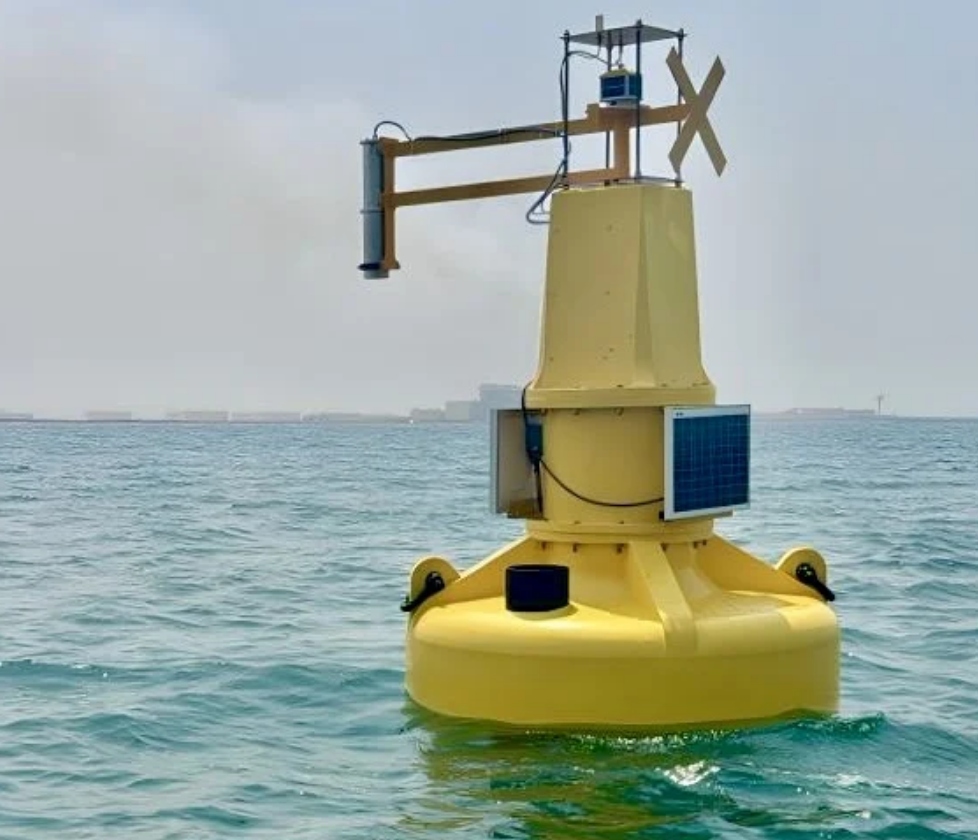
Water quality monitoring (WQM), turbidity monitoring, demarcation buoys and lighting, Ecomoor Mooring Line, alternative anchoring, boat rental
:
Inshore, nearshore, offshore
:
Low to strong (> 1.5m/s)
:
Short to extended exposure (> 1.5m)
:
Short to long

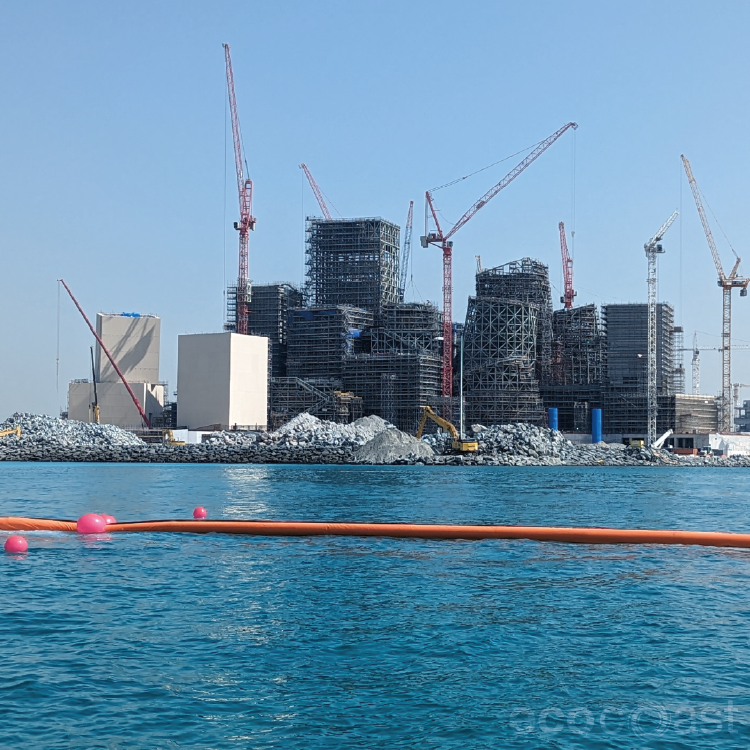
Ecobarrier Silt Curtains Premium, fully compliant with RPSC-23.
Ecobarrier Silt Curtains Premium are designed in compliance with the International Recommended Practice for Design, Development and Operation of Silt Curtains (RPSC-23).
This new model is reusable, 100% recyclable and comes with a 100% containment guarantee enhanced from our 2018 experience with The Ocean Cleanup. This not only reduces replacement and repair costs, but also promotes sustainability. When compliance, performance and sustainability matter, this is your curtain.
Marineforce, our proprietary force calculator is available as a service, to accurately calculate forces on silt curtains.
:
ESC-P-range
:
Reflective strips, modular/tapered skirts, branding
:
Water quality monitoring (WQM), turbidity monitoring, demarcation buoys and lighting, Ecomoor Mooring Line, alternative anchoring, boat rental
:
Inshore, nearshore, offshore
:
Low to strong (< 1.5m/s)
:
Short to extended exposure (> 1.5m)
:
Short to long



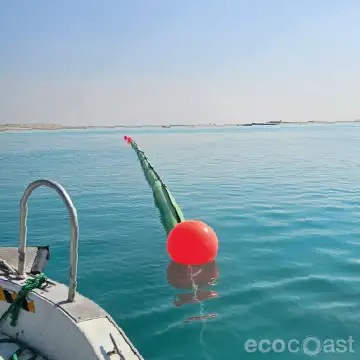
Ecobarrier Silt Curtain Green: Designed for performance, sustainability and cost-efficiency in marine protection.
The Ecobarrier Silt Curtain Green is a smarter, more sustainable solution for silt control. Designed to reduce environmental impact, save costs and ensure reliable performance, it’s an EPS-free silt curtain, giving industries a sustainable way to meet regulations, achieve their environmental targets, and protect marine ecosystems.
Learn more about the Ecobarrier Silt Curtains Green and its benefits in our detailed blogpost.
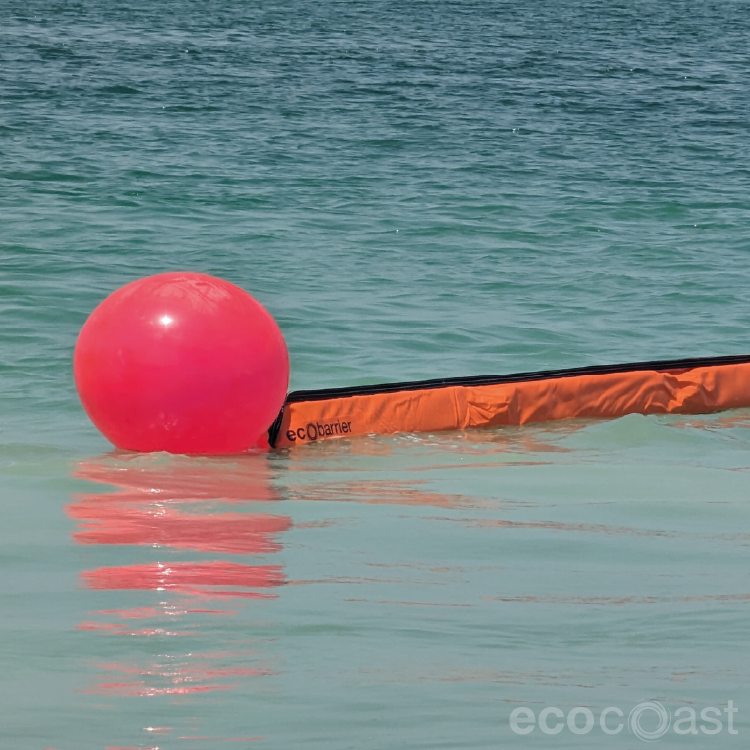
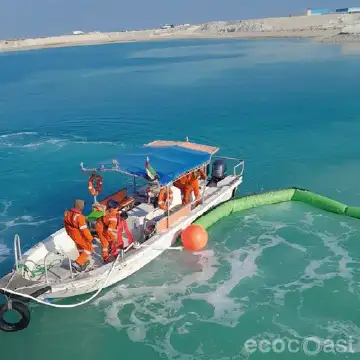
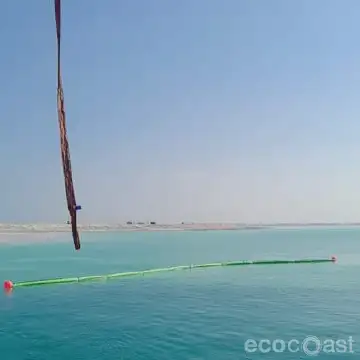
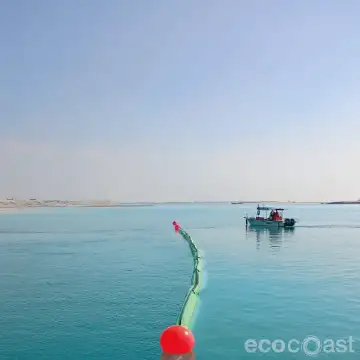
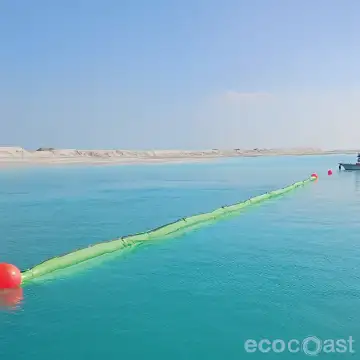
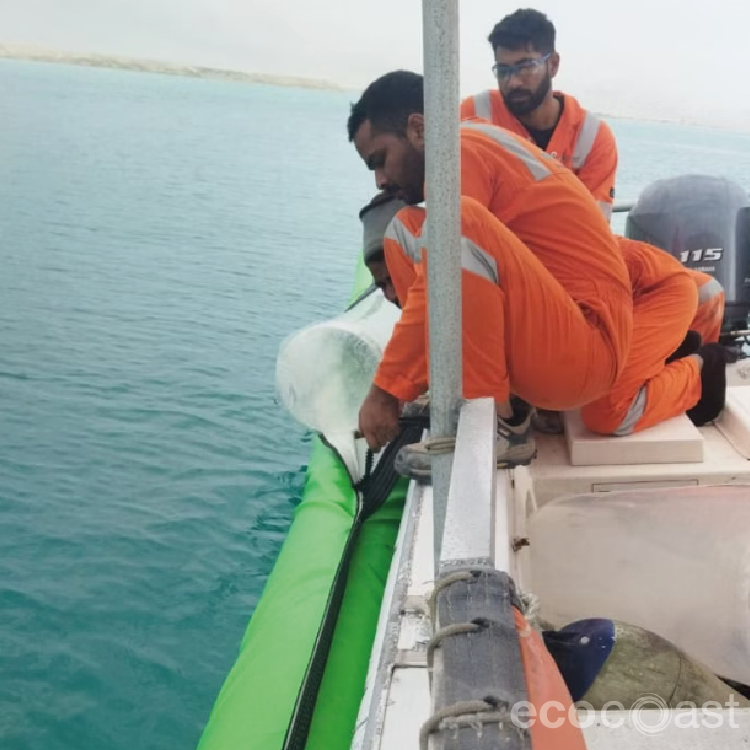
To ensure maximum safety and visibility on-site, this curtain is manufactured using high-visibility orange material. The green version shown is for demonstration purposes only.
:
ESC-G-range
:
Reflective strips, modular/tapered skirts, branding
:
Water quality monitoring (WQM), turbidity monitoring, demarcation buoys and lighting, Ecomoor Mooring Line, alternative anchoring, boat rental, sustainability reporting
:
Inshore, nearshore
:
Medium to strong (< 1.5m/s)
:
Up to moderate waves, frequent whitecaps
:
Short to long
See how our Silt Curtains deliver real environmental impact.
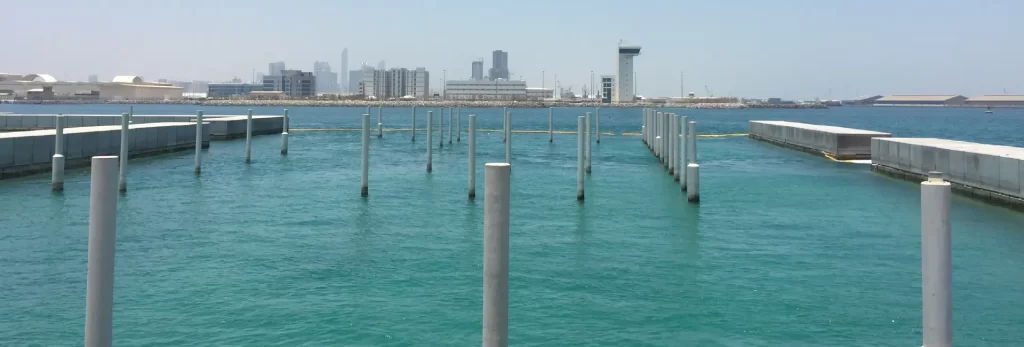
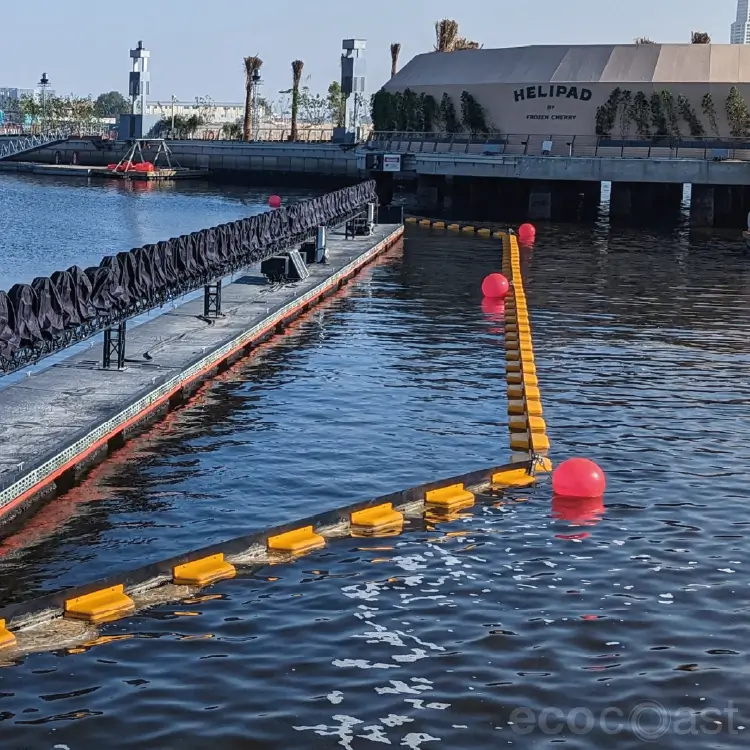
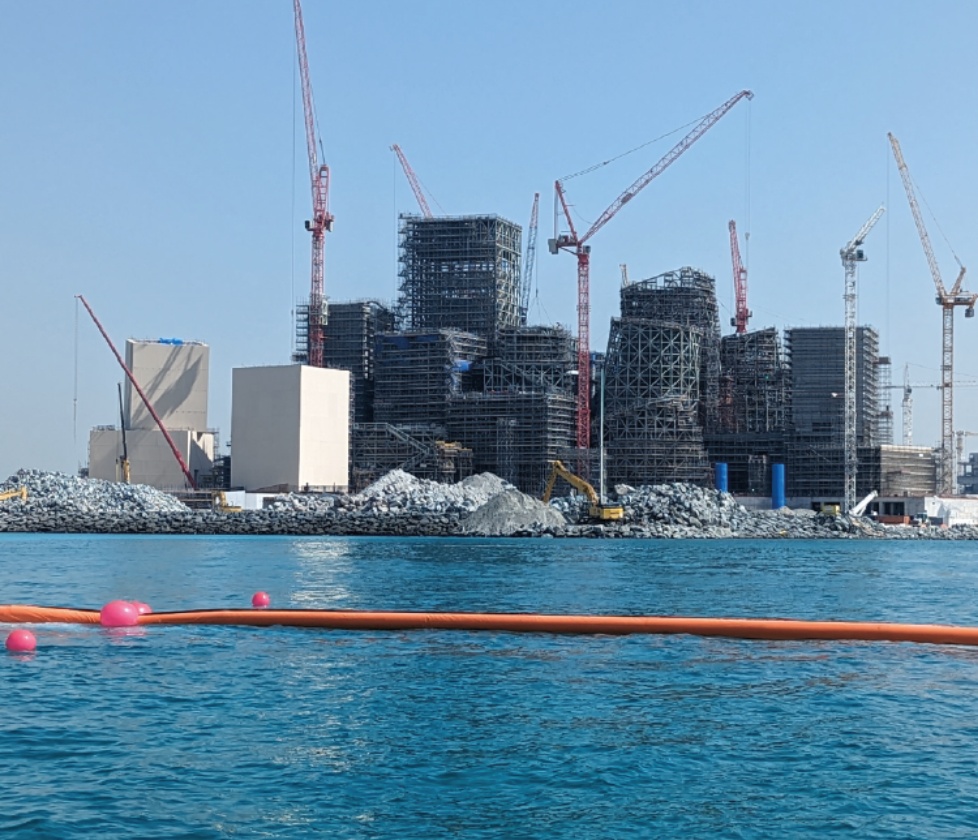
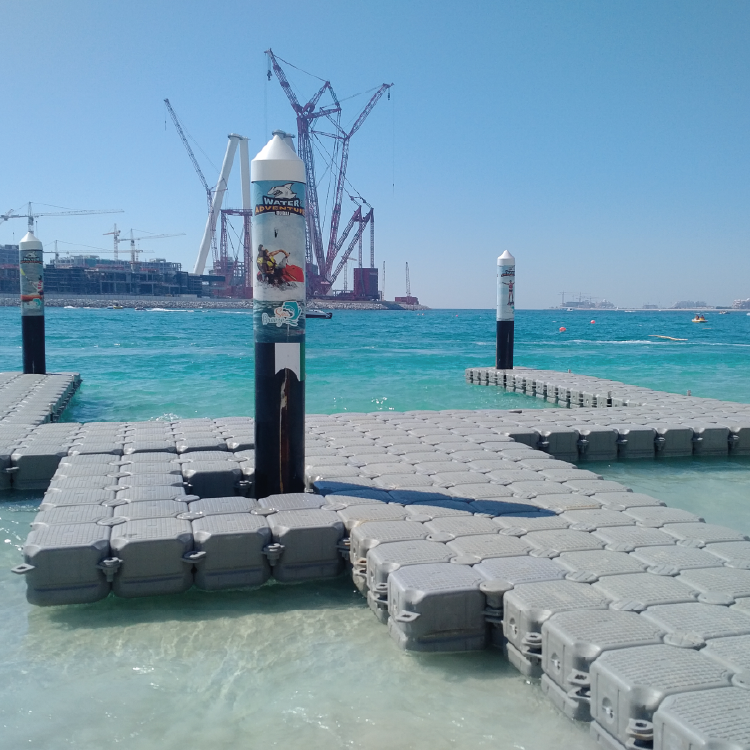
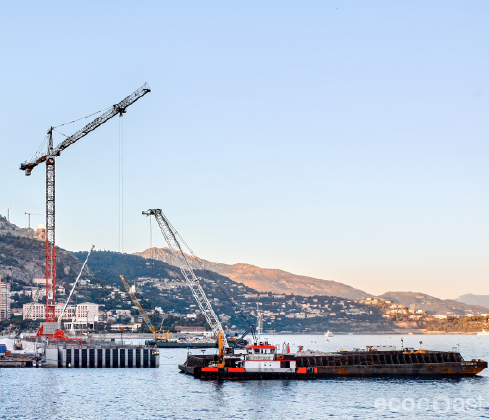
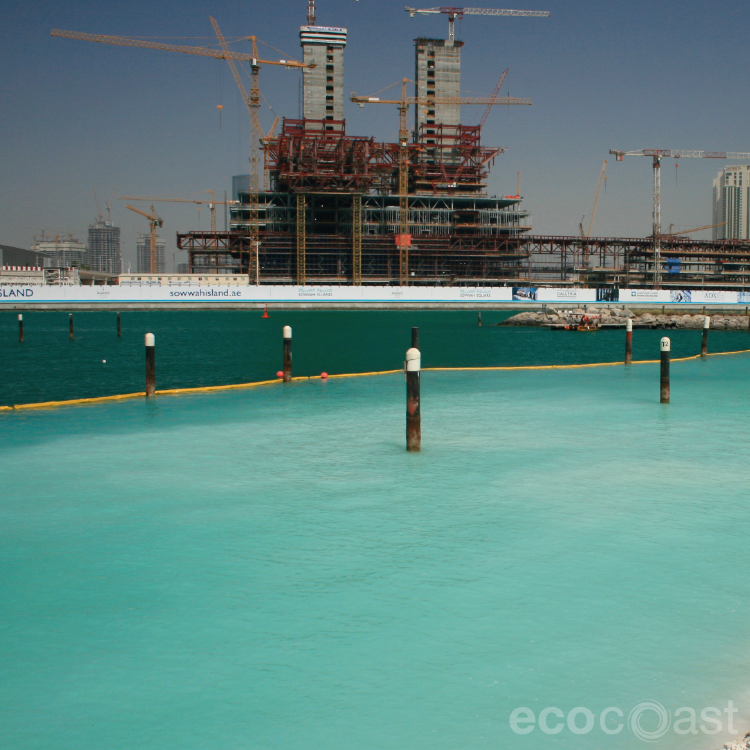
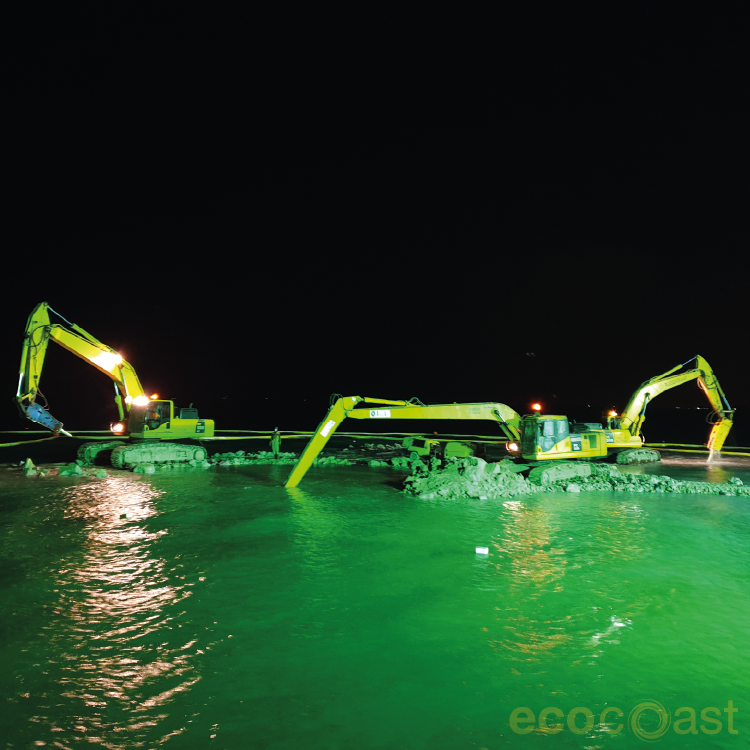
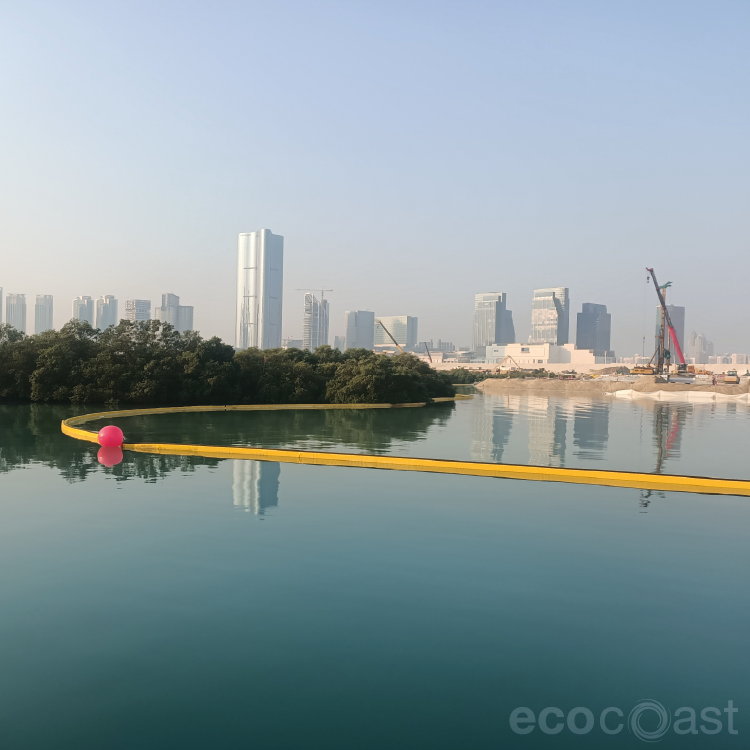
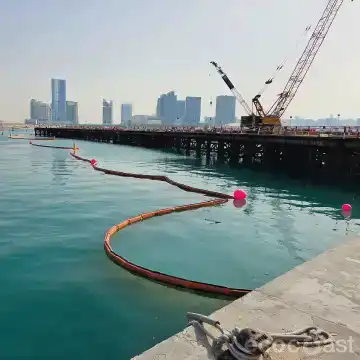
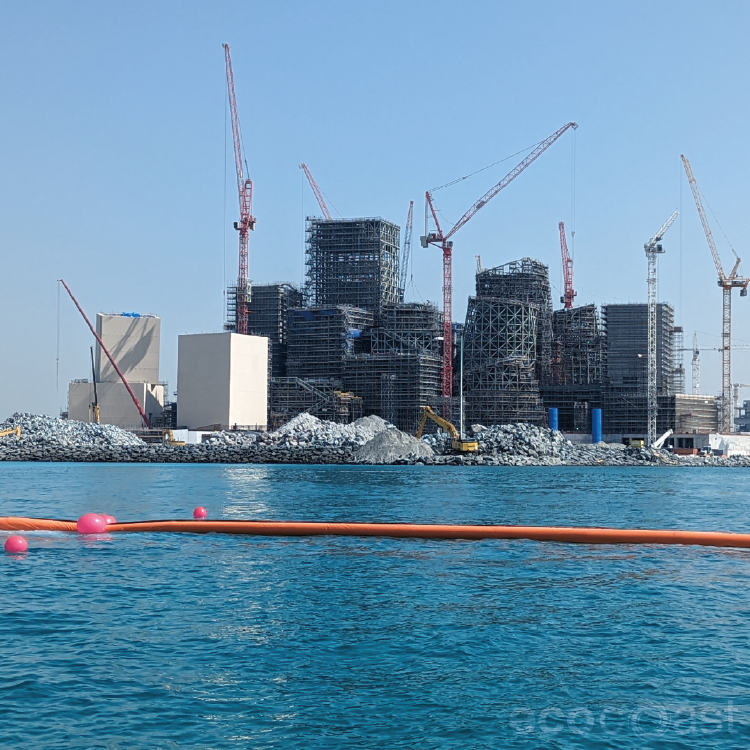
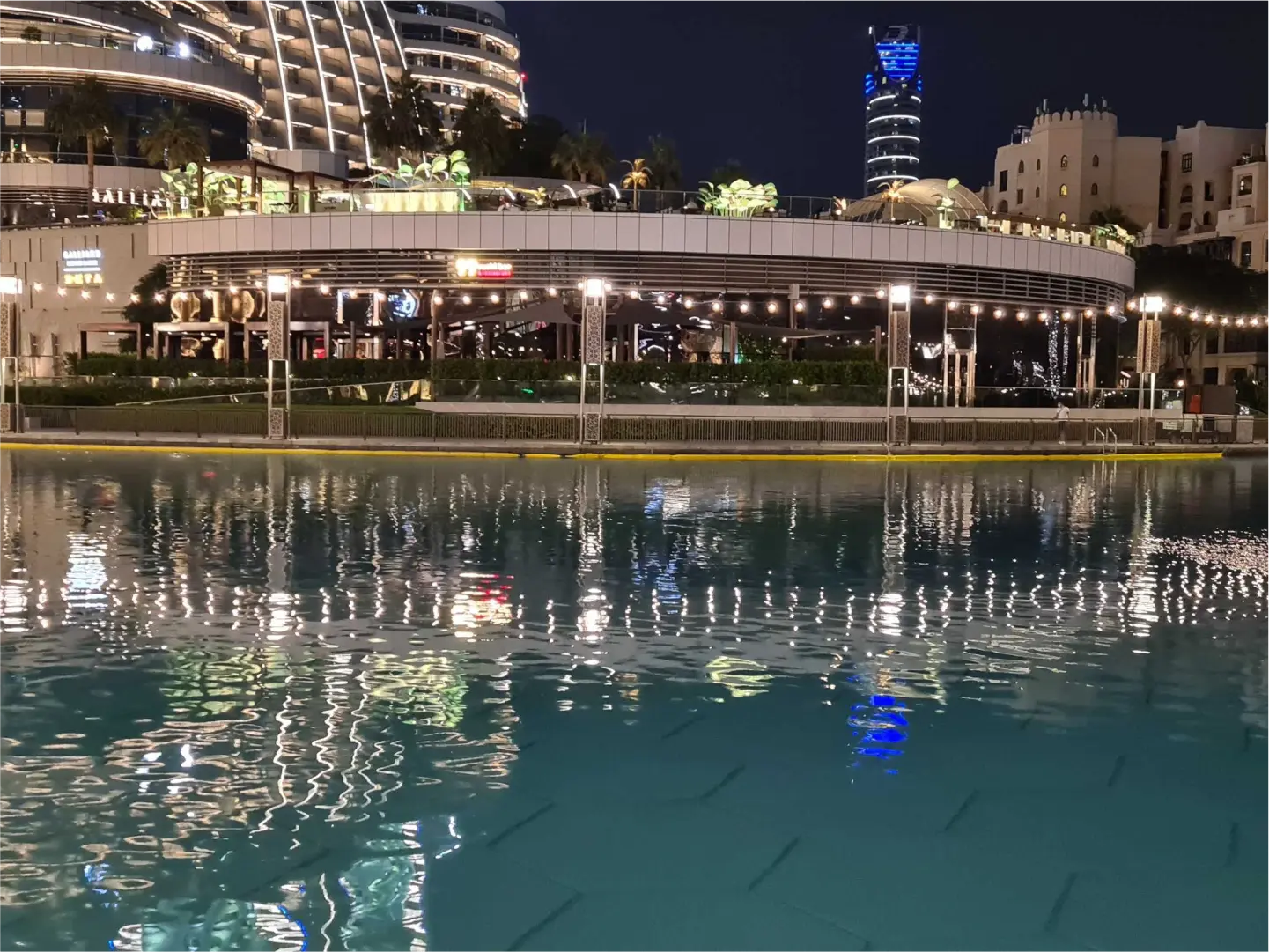
Protecting water quality during emergency dewatering at Louvre Abu Dhabi, preventing sediment from affecting building and waterways.
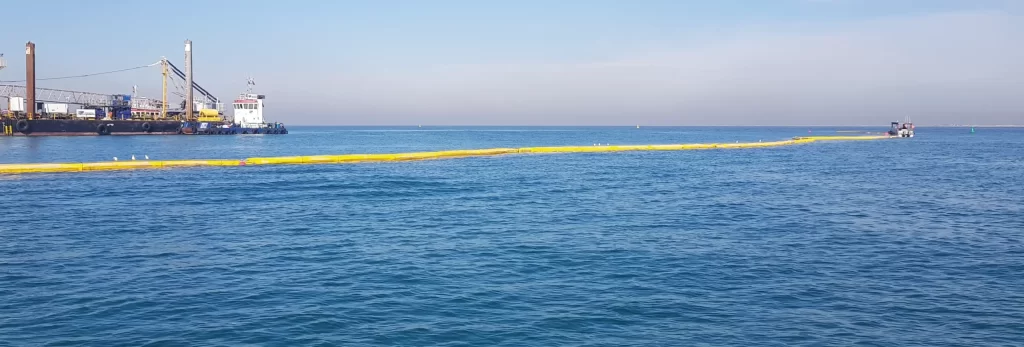
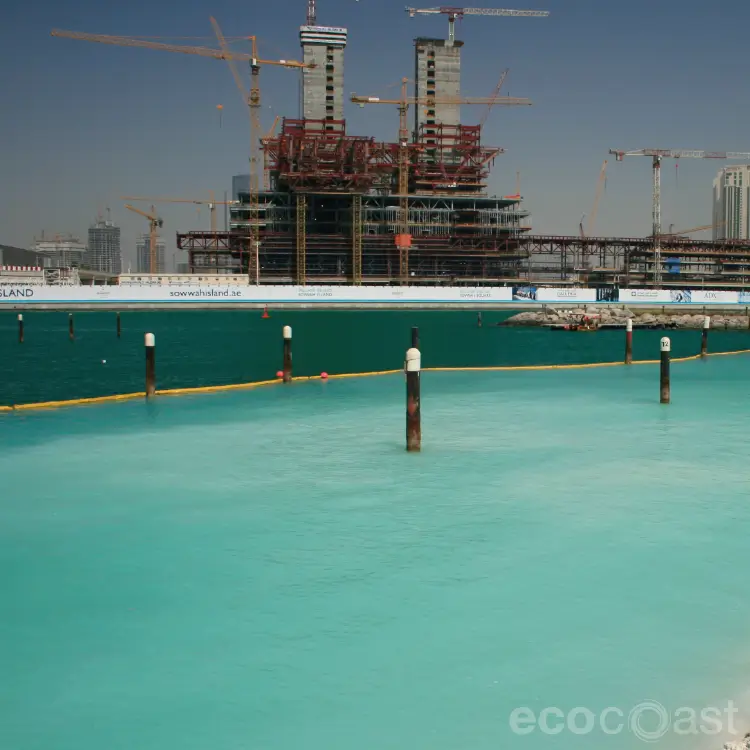
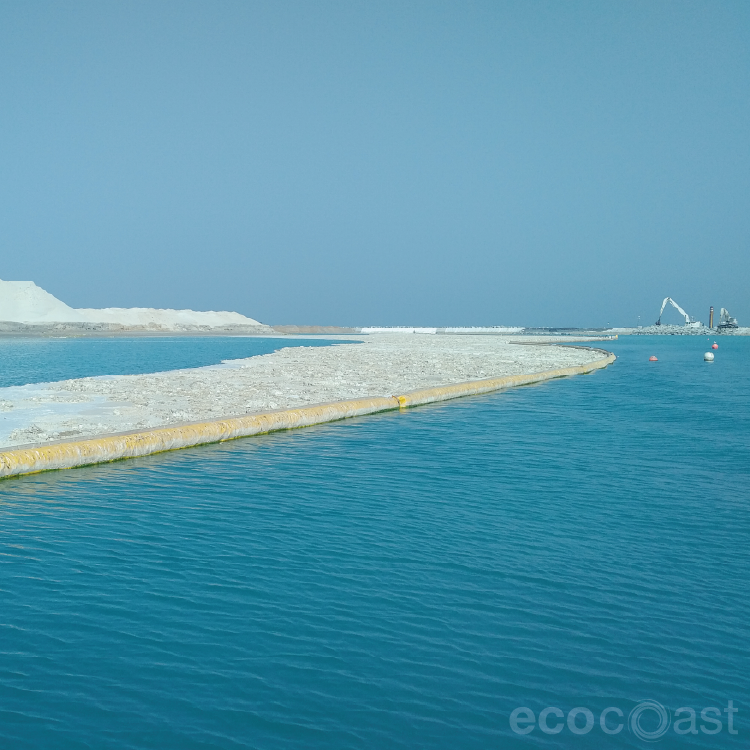
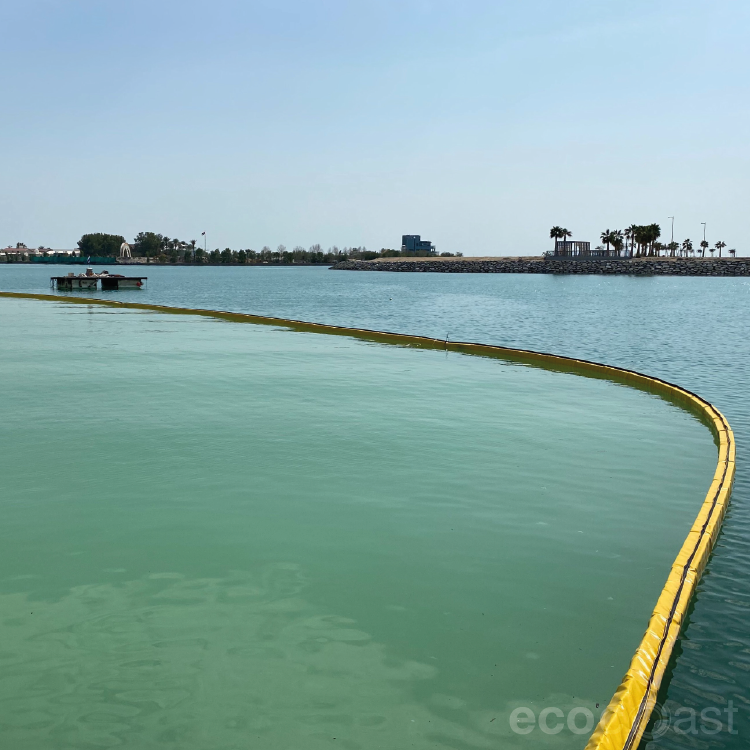
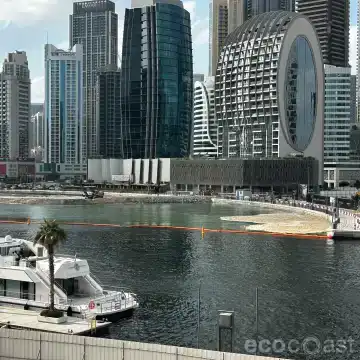
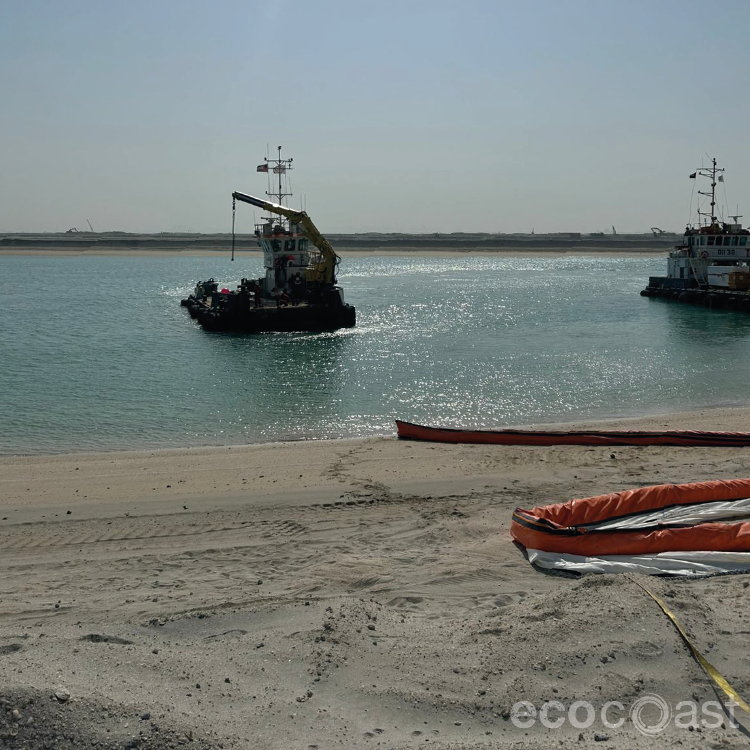
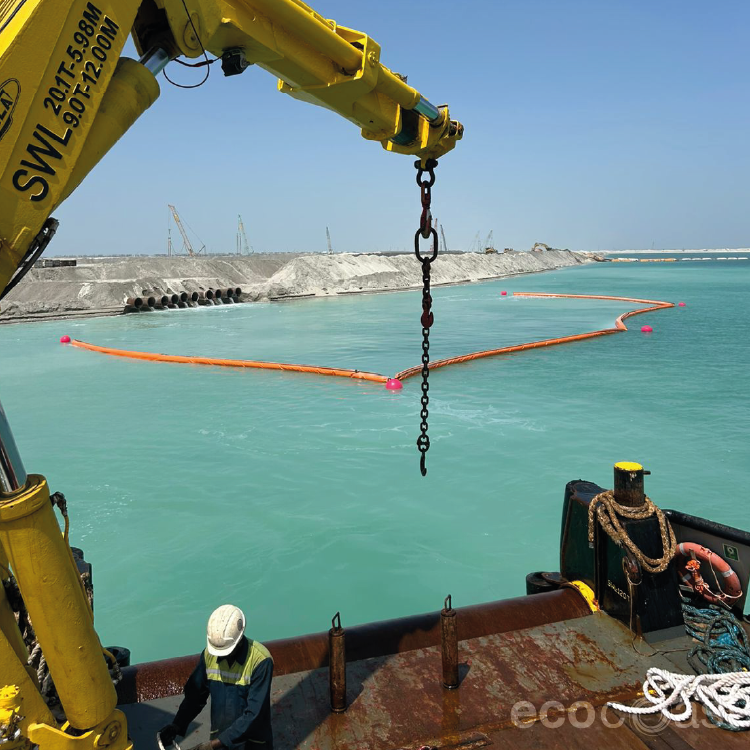
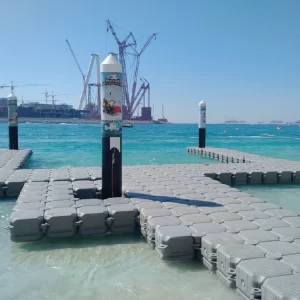
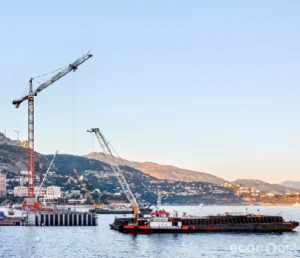
Preventing silt dispersion during Marsa Al Arab construction, ensuring environmental protection within the Gulf Sea.
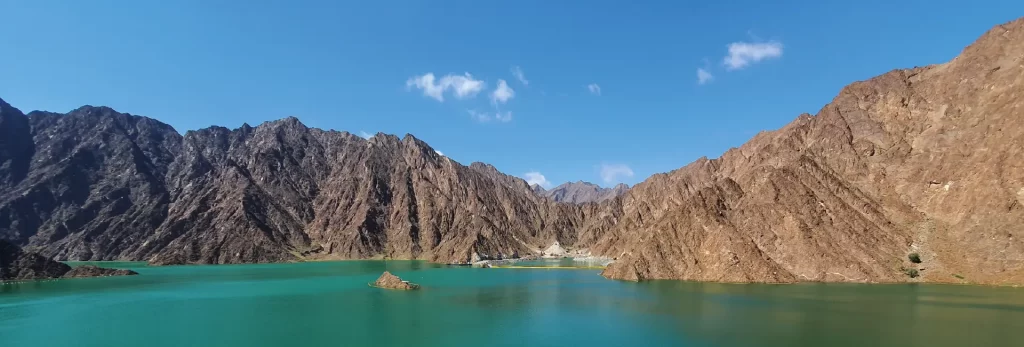
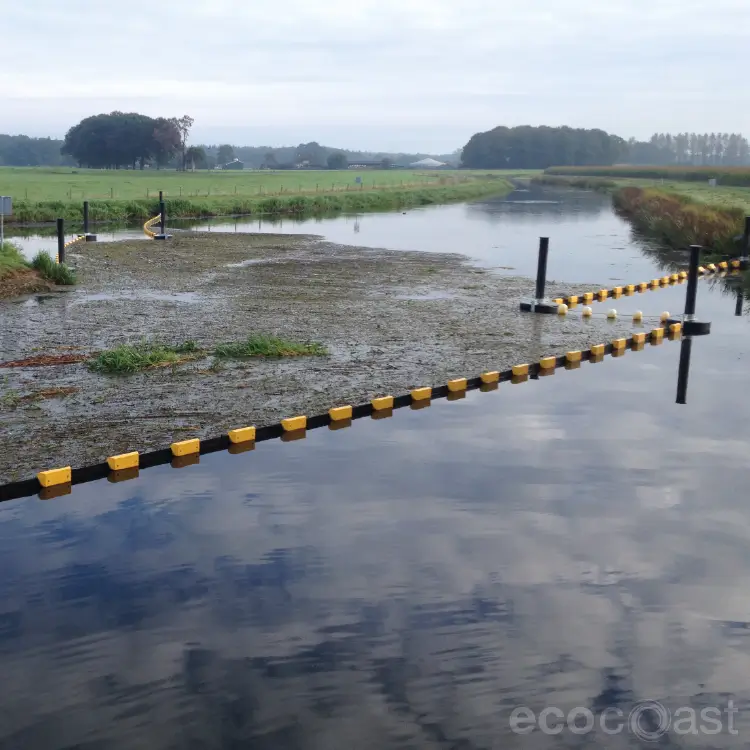
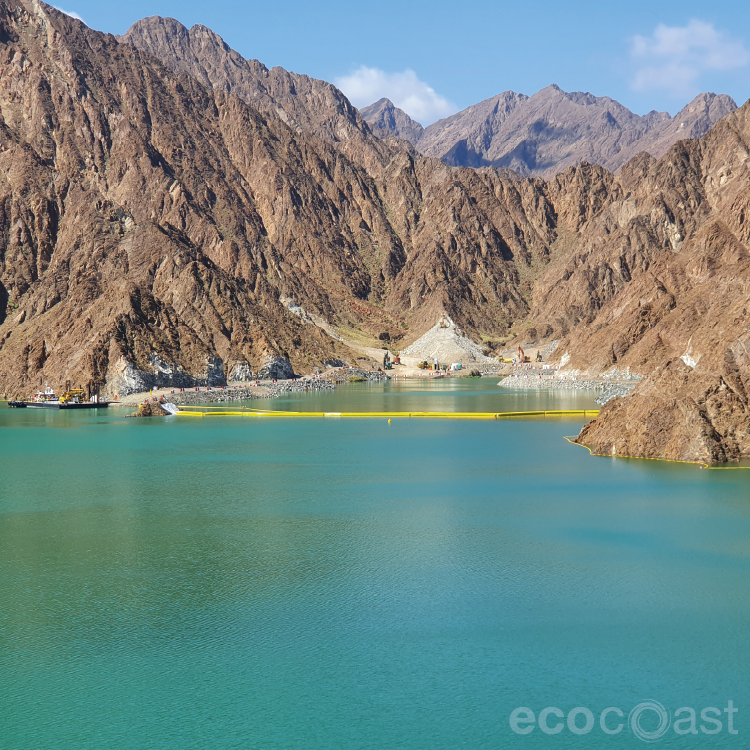
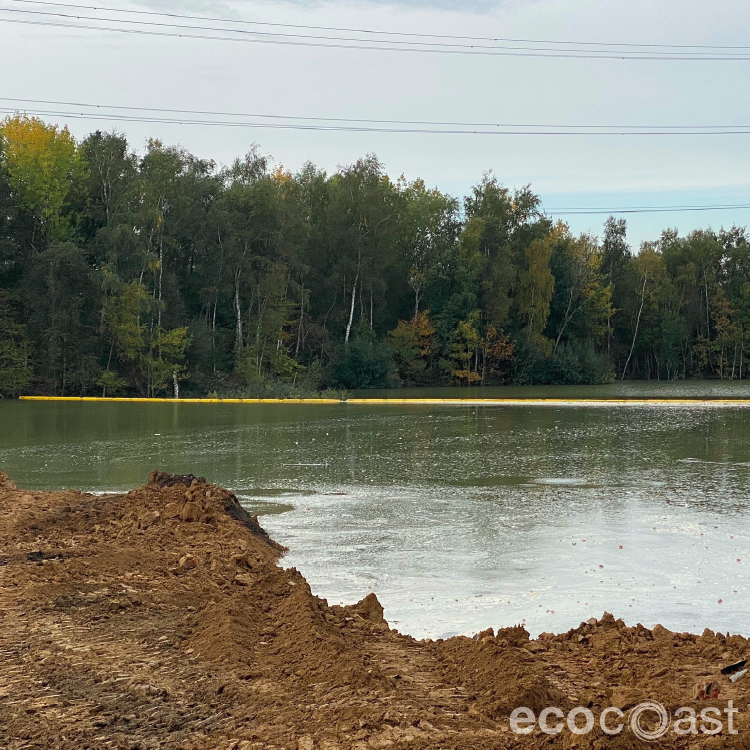
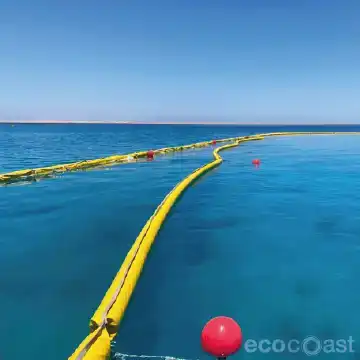
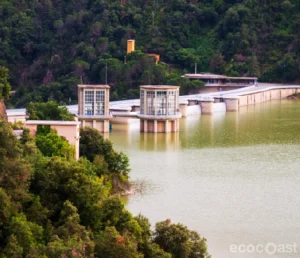
Protecting Hatta Dam Lake during hydro construction, preserving water quality and marking sensitive areas clearly.
Get quick answers to the most frequently asked questions about our silt curtains.
Silt curtains, also known as turbidity curtains, are flexible barriers installed vertically in the water. They are designed to confine and control the spread of suspended particles such as silt and sediment.
Their primary purpose is to manage and limit the movement of fine particles generated by activities like dredging, marine construction or shoreline protection. By creating a controlled area, these curtains allow silt and sediment to settle out of the water, reducing turbidity (cloudiness) and helping to maintain water clarity. This is crucial for protecting aquatic ecosystems, preventing contamination, and ensuring compliance with environmental regulations.
Turbidity curtains work by creating a physical barrier that limits the lateral spread of sediment. Suspended vertically in the water column – typically from the surface down to a few meters above the seabed – they allow normal water flow while preventing sediment from spreading into cleaner areas. By containing disturbed material within a defined zone, they reduce turbidity and protect nearby water quality and ecosystems.
Silt curtains, also known as turbidity curtains, are classified into four main types – Type I, II, III, IV – which can vary by region and project requirements.
In the Gulf region, silt curtains follow a Type x model code (eg. Type I, Type II, Type III, Type IV). At first glance, these codes look similar to the USA system, but the curtains themselves are much stronger and could not be more different. Ecocoast was the first to introduce the Type I, II, III, IV coding to the Gulf region. In 2011, silt curtains used to be produced to meet USA DOT specifications. Read blogpost for more information.
Common applications include:
● Dredging and land reclamation operations.
● Marine construction, such as bridge building or pier installation.
● Underwater pipeline and cable installation.
● Coastal and shoreline protection projects.
● Environmental protection for projects near sensitive habitats, coral reefs.
Installing turbidity curtains involves three main steps: site assessment, curtain sizing, and ballast and anchor placement.
The process begins with thorough site assessment to determine optimal positioning. Critical engineering factors include calculating sufficient curtain length, selecting appropriate ballast weights based on current speeds, and ensuring proper anchor spacing.
We have detailed installation manuals available and also offer training, professional supervision, or complete installation services including relocation and removal to ensure optimal performance and regulatory compliance.
Regular maintenance of silt/turbidity curtains is essential to ensure their effectiveness and longevity. This includes routine visual inspections for damage or displacement, checking anchor points and mooring lines, among others.
At Ecocoast, we make maintenance even easier by offering a mobile repair team that can quickly address any issues on-site, minimizing downtime and ensuring your project remains compliant and protected.
Ecocoast manufactures silt curtains in a range of standard depths and lengths – typically from 1.5m to over 10m in depth, depending on Type classification and water conditions – with every curtain custom-built to project-specific requirements rather than sold off-the-shelf.
Because sizing depends on factors like current speed, water depth and project purpose, our sales team can advise on the right specification for your site: https://www.ecocoast.com/contact-us/
You can buy high-quality silt curtains from several reputable suppliers worldwide. We offer the Ecobarrier Silt Curtain range, including the innovative, EPS-free Ecobarrier Silt Curtain Green. Our silt curtains are fully customized and come with options for water quality monitoring, manufactured to meet stringent environmental standards.
When selecting a supplier, consider your project’s specific requirements, environmental conditions, and the need for additional services such as installation, monitoring, maintenance or relocation. We stand out for our focus on sustainability, customization and comprehensive support services.
Contact our sales team for a personalized quote and take advantage of our tailored, turnkey solutions including expert installation and ongoing support services.
Using silt/turbidity curtains offers several environmental benefits:
• Prevent sediment and pollutants from spreading into clean water areas, preserving water quality in lakes, waterways and seas.
• Protect sensitive aquatic habitats such as coral reefs, seagrass meadows, mangroves and shellfish beds from the harmful effects of increased turbidity and sedimentation.
• Maintain the well-being and biodiversity of marine ecosystems, ensuring they remain healthy and undisturbed.
• Support compliance with environmental regulations for construction and development projects near water bodies.
• Demonstrate a commitment to sustainable and responsible environmental practices, which can enhance project reputation and meet sustainability reporting requirements.
Ecobarrier Silt Curtains can be reused or relocated, reducing waste and supporting broader sustainability goals. We also offer recycling as a service.

Silt curtains, also known as turbidity curtains, are flexible barriers installed vertically in the water. They are designed to confine and control the spread of suspended particles such as silt and sediment.
Their primary purpose is to manage and limit the movement of fine particles generated by activities like dredging, marine construction or shoreline protection. By creating a controlled area, these curtains allow silt and sediment to settle out of the water, reducing turbidity (cloudiness) and helping to maintain water clarity. This is crucial for protecting aquatic ecosystems, preventing contamination, and ensuring compliance with environmental regulations.
Turbidity curtains work by creating a physical barrier that limits the lateral spread of sediment. Suspended vertically in the water column – typically from the surface down to a few meters above the seabed – they allow normal water flow while preventing sediment from spreading into cleaner areas. By containing disturbed material within a defined zone, they reduce turbidity and protect nearby water quality and ecosystems.
Silt curtains, also known as turbidity curtains, are classified into four main types – Type I, II, III, IV – which can vary by region and project requirements.
In the Gulf region, silt curtains follow a Type x model code (eg. Type I, Type II, Type III, Type IV). At first glance, these codes look similar to the USA system, but the curtains themselves are much stronger and could not be more different. Ecocoast was the first to introduce the Type I, II, III, IV coding to the Gulf region. In 2011, silt curtains used to be produced to meet USA DOT specifications. Read blogpost for more information.
Common applications include:
● Dredging and land reclamation operations.
● Marine construction, such as bridge building or pier installation.
● Underwater pipeline and cable installation.
● Coastal and shoreline protection projects.
● Environmental protection for projects near sensitive habitats, coral reefs.
Installing turbidity curtains involves three main steps: site assessment, curtain sizing, and ballast and anchor placement.
The process begins with thorough site assessment to determine optimal positioning. Critical engineering factors include calculating sufficient curtain length, selecting appropriate ballast weights based on current speeds, and ensuring proper anchor spacing.
We have detailed installation manuals available and also offer training, professional supervision, or complete installation services including relocation and removal to ensure optimal performance and regulatory compliance.
Regular maintenance of silt/turbidity curtains is essential to ensure their effectiveness and longevity. This includes routine visual inspections for damage or displacement, checking anchor points and mooring lines, among others.
At Ecocoast, we make maintenance even easier by offering a mobile repair team that can quickly address any issues on-site, minimizing downtime and ensuring your project remains compliant and protected.
Ecocoast manufactures silt curtains in a range of standard depths and lengths – typically from 1.5m to over 10m in depth, depending on Type classification and water conditions – with every curtain custom-built to project-specific requirements rather than sold off-the-shelf.
Because sizing depends on factors like current speed, water depth and project purpose, our sales team can advise on the right specification for your site: https://www.ecocoast.com/contact-us/
You can buy high-quality silt curtains from several reputable suppliers worldwide. We offer the Ecobarrier Silt Curtain range, including the innovative, EPS-free Ecobarrier Silt Curtain Green. Our silt curtains are fully customized and come with options for water quality monitoring, manufactured to meet stringent environmental standards.
When selecting a supplier, consider your project’s specific requirements, environmental conditions, and the need for additional services such as installation, monitoring, maintenance or relocation. We stand out for our focus on sustainability, customization and comprehensive support services.
Contact our sales team for a personalized quote and take advantage of our tailored, turnkey solutions including expert installation and ongoing support services.
Using silt/turbidity curtains offers several environmental benefits:
• Prevent sediment and pollutants from spreading into clean water areas, preserving water quality in lakes, waterways and seas.
• Protect sensitive aquatic habitats such as coral reefs, seagrass meadows, mangroves and shellfish beds from the harmful effects of increased turbidity and sedimentation.
• Maintain the well-being and biodiversity of marine ecosystems, ensuring they remain healthy and undisturbed.
• Support compliance with environmental regulations for construction and development projects near water bodies.
• Demonstrate a commitment to sustainable and responsible environmental practices, which can enhance project reputation and meet sustainability reporting requirements.
Ecobarrier Silt Curtains can be reused or relocated, reducing waste and supporting broader sustainability goals. We also offer recycling as a service.