Ready to green your grey infrastructure? Discover Ecoreef →
1,333,018 Meters OF MARINE BARRIERS AND COUNTING  LIVE
LIVE
Solutions for marine pollution control, coastal and shoreline protection to effectively address environmental concerns.
View All Products
Solutions for the protection of critical infrastructure and other high-security areas.
View All Products
End-to-end solutions for environmental protection, safety and security applications that protect, monitor and regenerate marine environments.
View All Solutions
End-to-end marine and engineering services designed to ensure high-performing projects.
View All Services
Industry-focused expertise delivering proven solutions for coastlines and waterways, from initial concept to long-term operation and protection.
View All Industries

Solutions for marine pollution control, coastal and shoreline protection to effectively address environmental concerns.
View All Products
Solutions for the protection of critical infrastructure and other high-security areas.
View All Products
End-to-end solutions for environmental protection, safety and security applications that protect, monitor and regenerate marine environments.
View All Solutions
End-to-end marine and engineering services designed to ensure high-performing projects.
View All Services
Industry-focused expertise delivering proven solutions for coastlines and waterways, from initial concept to long-term operation and protection.
View All Industries

Share:


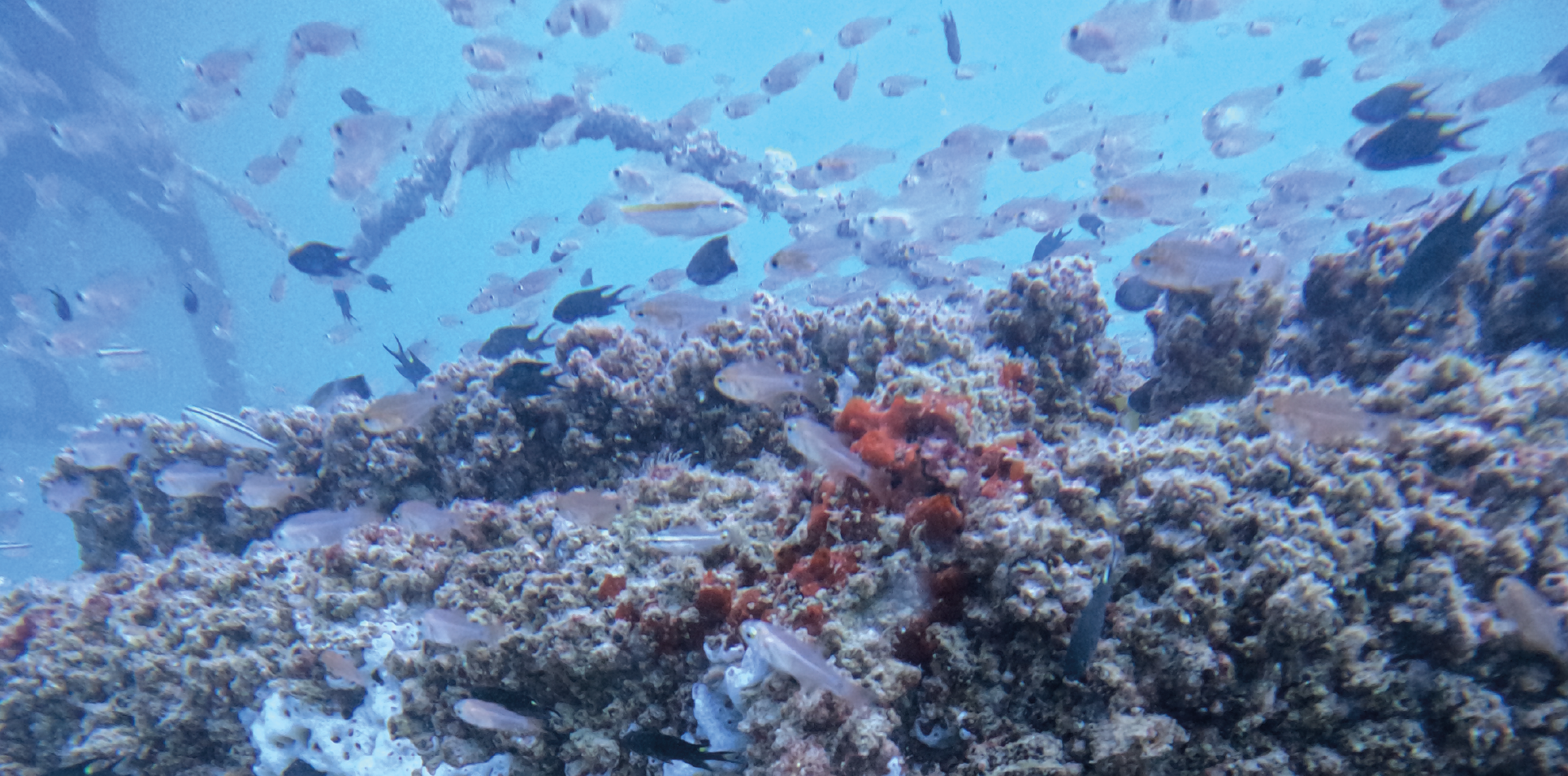
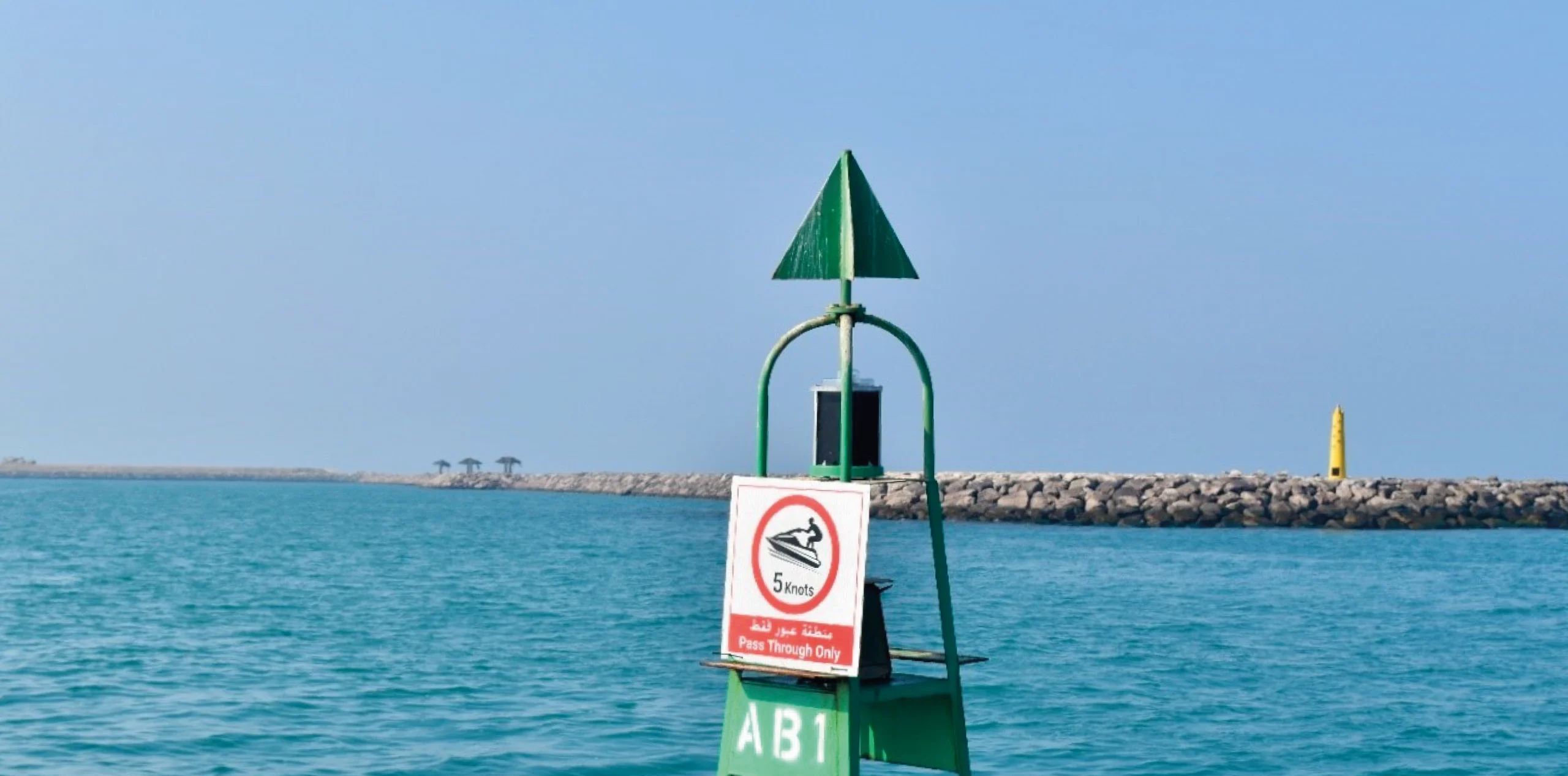
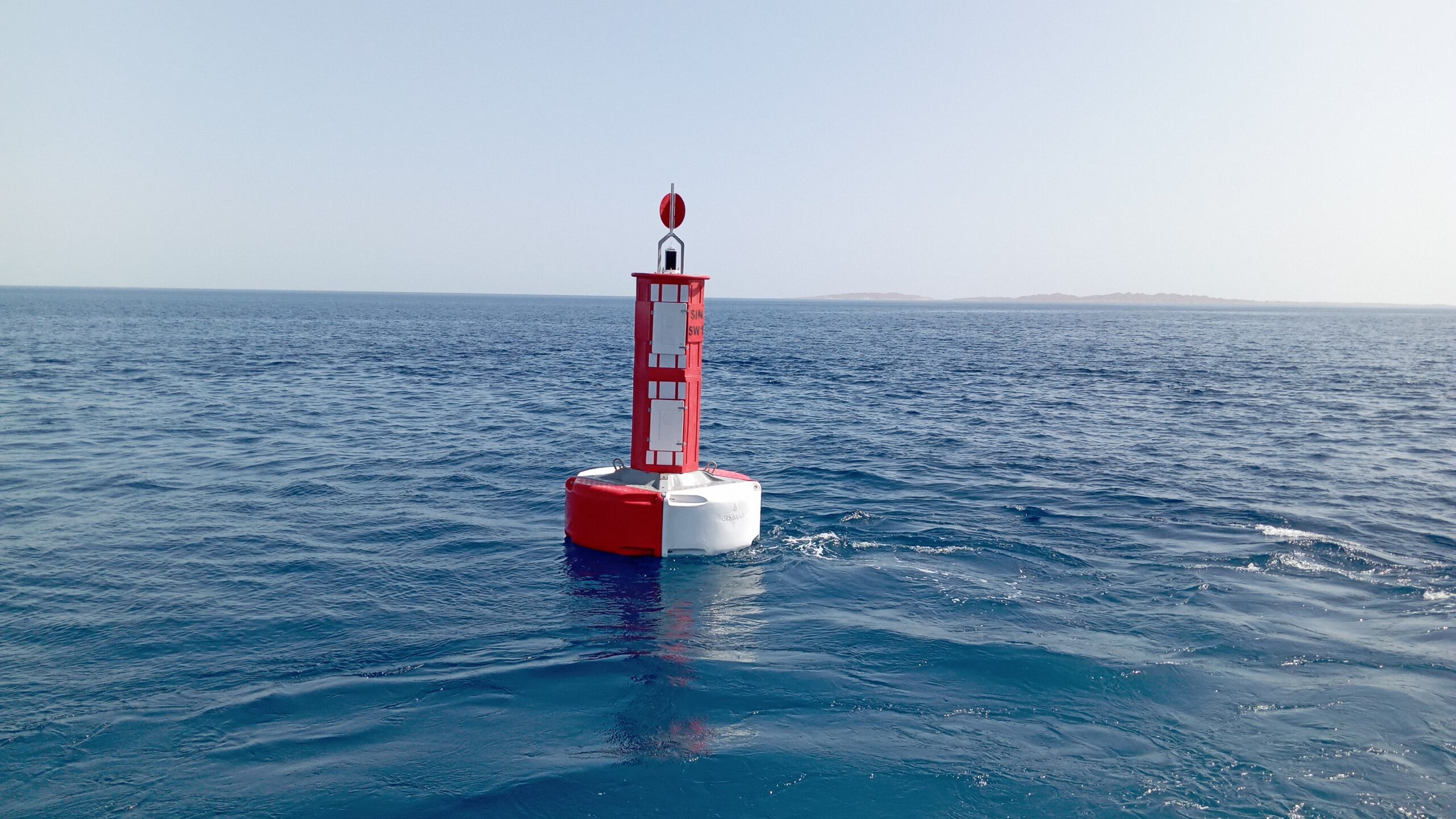
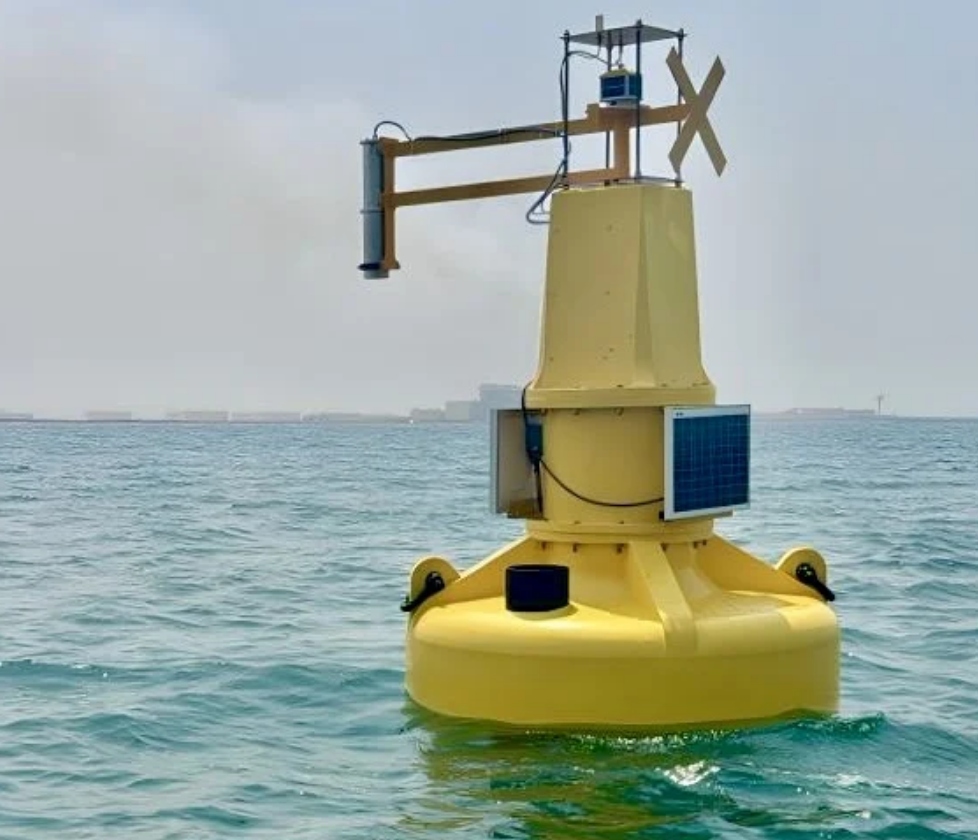
Saudi Arabia’s Red Sea coastline is home to some of the most resilient and biodiverse coral reefs on the planet. As the Kingdom’s giga-projects transition from vision to reality, a major challenge emerges. That challenge is protecting these “blue lungs” of the Red Sea. We have been commissioned by a major Saudi giga-project to deliver an end-to-end maritime solution for safe navigation with an eco-friendly mooring system.
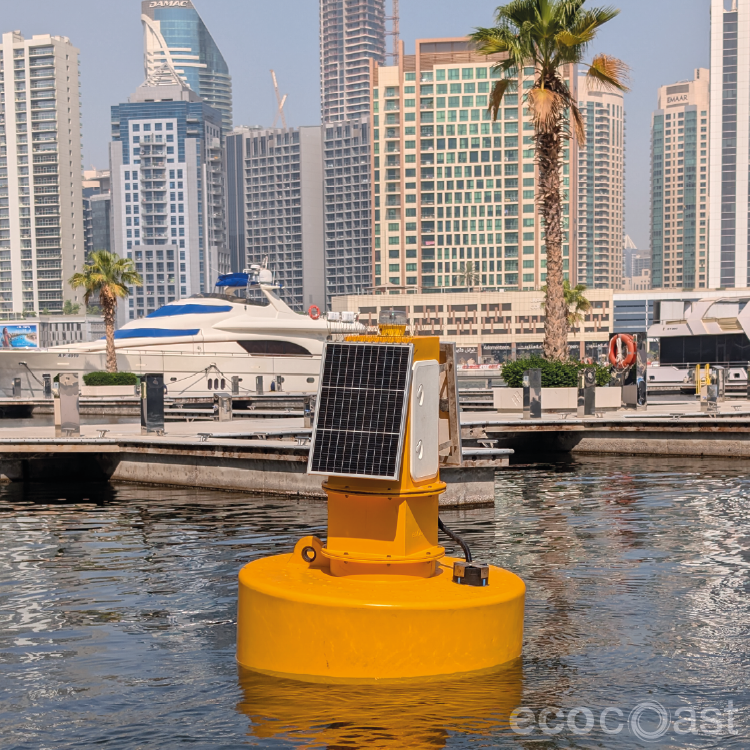
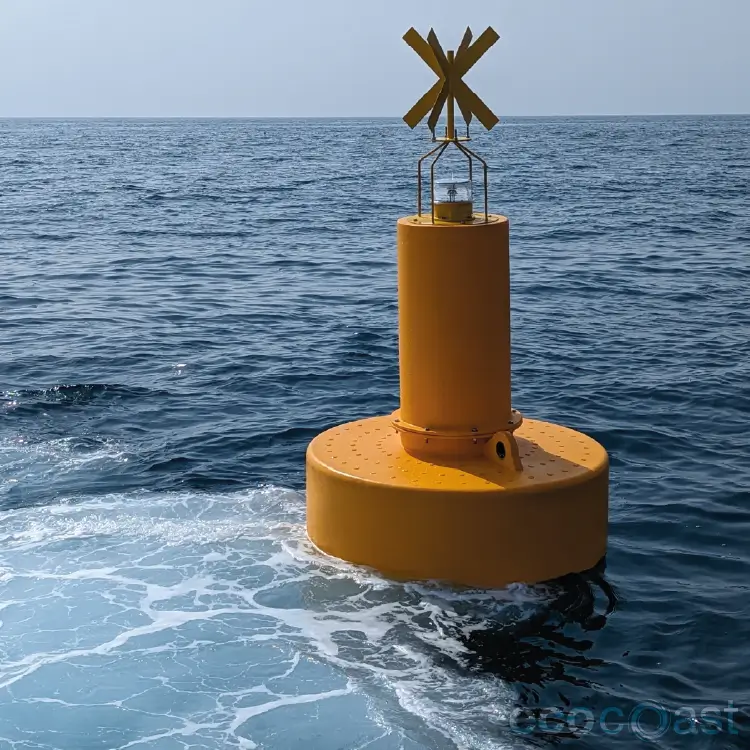
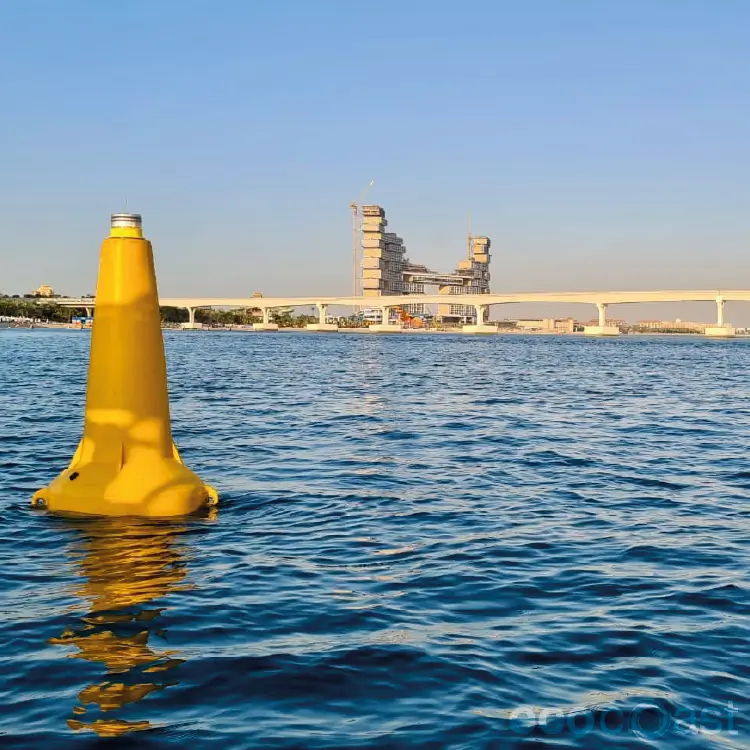
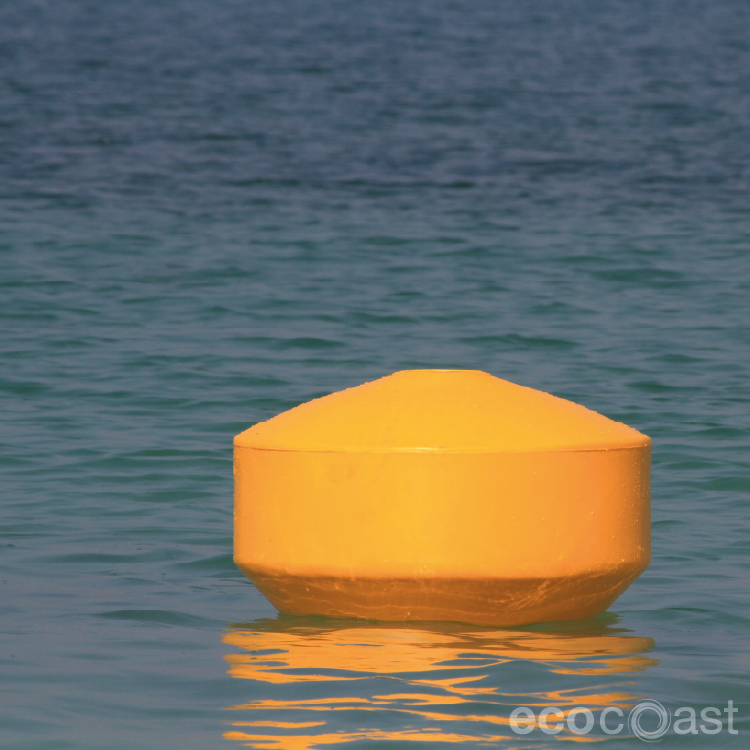
The scope covers marine engineering, manufacturing, installation and long-term maintenance. It’s a fully integrated solution. The system includes navigation buoys, marine lanterns, Ecomoor environmentally friendly mooring lines and Ecoreef eco-engineered mooring blocks.
What makes this project unique, is that it marks the first time a safe navigation system combines Ecomoor and Ecoreef in a single installation.
The Red Sea is unlike any other marine environment. Its coral reefs are scientifically recognized for their “thermal tolerance”. This makes them a potential global refuge against climate change. However, traditional mooring systems pose serious risks. Heavy concrete blocks and dragging chains create permanent “mooring scars” that can destroy centuries of coral growth in a single season.
For the Kingdom’s giga projects, where sustainability is a core pillar of Vision 2030, traditional methods are no longer an option. Marine infrastructure must protect ecosystems rather than damage them. Our end-to-end solution responds directly to this challenge. It ensures safe navigation while protecting sensitive marine habitats.
Delivering a solution at this scale requires more than individual products. It demands a full end-to-end approach, starting with marine engineering and site assessment, followed by system design, manufacturing, installation and ongoing maintenance.
This giga project validates why it matters. When systems are designed as a single solution, performance and environmental outcomes improve.
Traditionally, mooring systems focus on one objective: holding marine buoys in place. Traditional mooring systems rely on heavy chains that sweep the seabed. They grind coral and seagrass into “dead zones”. In sensitive marine environments like the Red Sea, the impact can be severe. Seabed damage quickly spreads to surrounding reef systems.
This project introduces a different model entirely.
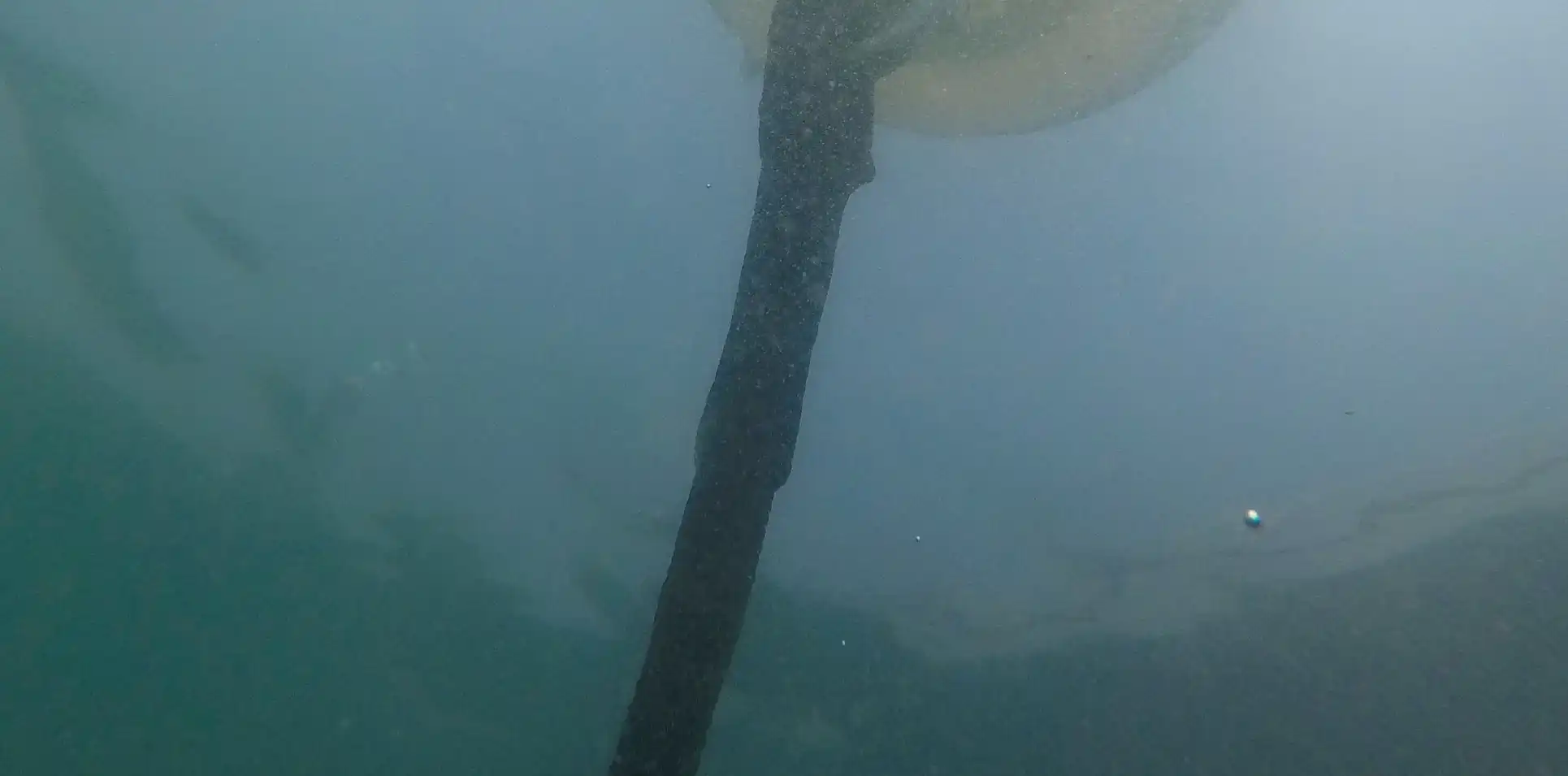
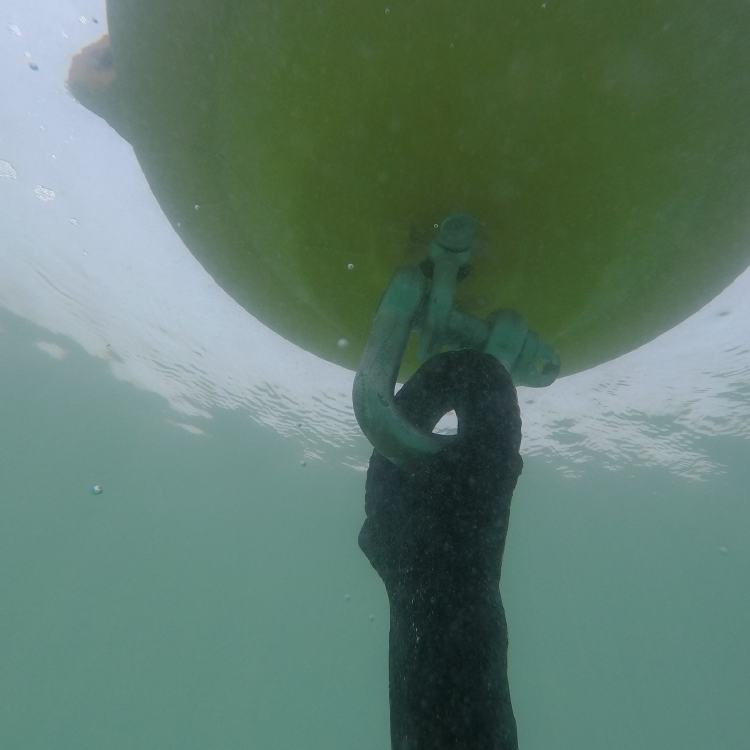
Ecomoor protects existing coral reefs. It uses a sustainable, neutrally buoyant mooring line that floats in the water column. There is no dragging and no seabed contact. By eliminating abrasion and anchor damage, it significantly reduces physical stress on fragile reef structures.
Ecoreef, on the other hand, goes a step further. It is an eco-engineered mooring block designed not only to secure marine buoys, but also to function as a living marine habitat.
 Installed together, Ecomoor and Ecoreef form a single mooring solution. It works both as an Advanced Mooring System (AMS) and an Environmentally Friendly Mooring (EFM) – combining safety, durability and ecological enhancement in one system.
By combining Ecomoor and Ecoreef, we aren’t just installing a buoy, we’re planting a seed for a future reef. – Dr. Philip Sanders, Sustainability and Green Product Development Lead at Ecocoast.
Ecoreef is not a conventional concrete block. It has been specifically designed to enhance marine ecosystems. Its development involved close collaboration with a marine ecologist.
Its design is scientifically backed, supported by years of research and development in collaboration with Dr. Aaron Bartholomew, Ph.D. in Marine Science (USA, 2001). Since 2002, Dr. Bartholomew has served as a Biology Professor and Marine Ecology Researcher at the American University of Sharjah. His involvement brings academic rigor and field experience into the product’s development.
In real-world conditions, Ecoreef supports marine life in several important ways. Its structure attracts juvenile fish, encouraging them to settle and establish new habitats. Over time, it promotes the formation of coral communities, with coral coverage shown to be comparable to that of natural reefs. Instead of displacing life, the mooring becomes part of the ecosystem itself.
The Red Sea region hosts some of the most extraordinary coral reef ecosystems on Earth. It’s home to over 300 coral species and more than 1,000 fish species. Approximately 10% of these species are endemic. They exist nowhere else in the world. This makes these waters a global biodiversity hotspot.
The Red Sea’s coral reefs stretch over 2,000 kilometers. They form the world’s second-longest reef system after Australia’s Great Barrier Reef. Saudi Arabia holds the longest Red Sea coastline. It stretches approximately 1,760-kilometer, featuring extensive fringing reef systems and atoll-like formations.
These ecosystems are scientifically and economically invaluable. They’re also extremely sensitive to physical damage caused by anchors, chains and poorly designed mooring systems. In giga projects, even small design decisions can have long-term consequences.
By combining Ecomoor and Ecoreef, these risks are directly addresses. Existing reefs are protected from mechanical damage. New reef structures actively enhance biodiversity and habitat complexity. For developments in the Red Sea, this approach aligns closely with national sustainability goals. It supports long-term environmental stewardship under Vision 2030.
While the Red Sea provides a powerful use case, this integrated mooring and safe navigation solution is relevant far beyond Saudi Arabia.
It’s particularly suited to marine protected areas, high-end coastal resorts, island developments and eco-tourism destinations where anchoring damage is a known issue. Regions such as the Mediterranean, the Indian Ocean and Southeast Asia face similar challenges in balancing marine access with reef protection and could benefit from similar solutions:
Coral Triangle Region
The Coral Triangle – spanning Indonesia, Malaysia, the Philippines, Papua New Guinea, Timor-Leste and the Solomon Islands – contains 75% of all known coral species and more than 3,000 species of reef fish. Popular diving destinations like Raja Ampat, already grappling with tourism pressure, could significantly benefit from eco-friendly mooring systems that protect while they provide access.
Caribbean Coral Reefs
The Belize Barrier Reef, Mesoamerican Reef system and countless island reef systems throughout the Caribbean face intense pressure from cruise ship anchoring, yacht tourism and recreational diving. Implementing Ecoreef-Ecomoor systems could protect these degraded reefs while promoting recovery.
Great Barrier Reef, Australia
Even the world’s largest reef system faces threats from increasing tourism and maritime traffic. Strategic deployment of environmentally friendly mooring systems could protect high-traffic areas while creating new habitat corridors.
Red Sea – Broader Regional Deployment
Beyond Saudi Arabia, the entire Red Sea region – including Egypt, Jordan, Sudan and Eritrea – shares the same precious “super coral” ecosystems. Regional coordination to deploy similar systems could create a network of protected and enhanced reef habitats.
Indian Ocean Islands
Maldives, Seychelles, Mauritius and other Indian Ocean island nations whose economies depend heavily on marine tourism could revolutionize their approach to sustainable tourism infrastructure.
Pacific Island Nations
Small island developing states throughout the Pacific face existential threats from climate change and reef degradation. Eco-friendly mooring systems could provide both economic benefits through sustainable tourism and ecological benefits through habitat restoration.
Anywhere watercraft or buoys operate near sensitive seabeds, the solution applies. Operational reliability and measurable ecological value are delivered together.
This project represents more than a single installation. It sets a new benchmark for how safe navigation, mooring systems and marine ecology can work together at giga-project scale.
By adopting an end-to-end solution, the project starts with marine engineering. It continues through installation and long-term maintenance. Ecomoor and Ecoreef are integrated into one coherent system. This approach demonstrates that large-scale development and environmental responsibility do not have to be at odds.
In fact, when done right, they can actively reinforce each other, protecting today’s reefs while building the ecosystems of tomorrow.
–
Ready to lead the way in regenerative marine infrastructure? Contact our marine engineering team today to learn how our EFM and AMS solutions can protect your assets.
Share:
 Related Blog Posts




 Prev Blog