Ready to green your grey infrastructure? Discover Ecoreef →
1,333,018 Meters OF MARINE BARRIERS AND COUNTING  LIVE
LIVE
Solutions for marine pollution control, coastal and shoreline protection to effectively address environmental concerns.
View All Products
Solutions for the protection of critical infrastructure and other high-security areas.
View All Products
End-to-end solutions for environmental protection, safety and security applications that protect, monitor and regenerate marine environments.
View All Solutions
End-to-end marine and engineering services designed to ensure high-performing projects.
View All Services
Industry-focused expertise delivering proven solutions for coastlines and waterways, from initial concept to long-term operation and protection.
View All Industries

Solutions for marine pollution control, coastal and shoreline protection to effectively address environmental concerns.
View All Products
Solutions for the protection of critical infrastructure and other high-security areas.
View All Products
End-to-end solutions for environmental protection, safety and security applications that protect, monitor and regenerate marine environments.
View All Solutions
End-to-end marine and engineering services designed to ensure high-performing projects.
View All Services
Industry-focused expertise delivering proven solutions for coastlines and waterways, from initial concept to long-term operation and protection.
View All Industries


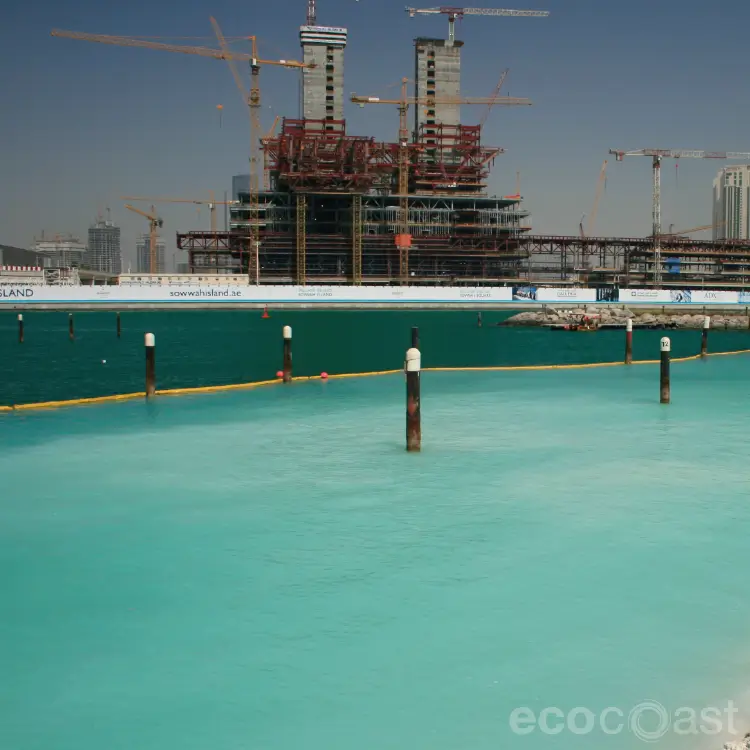
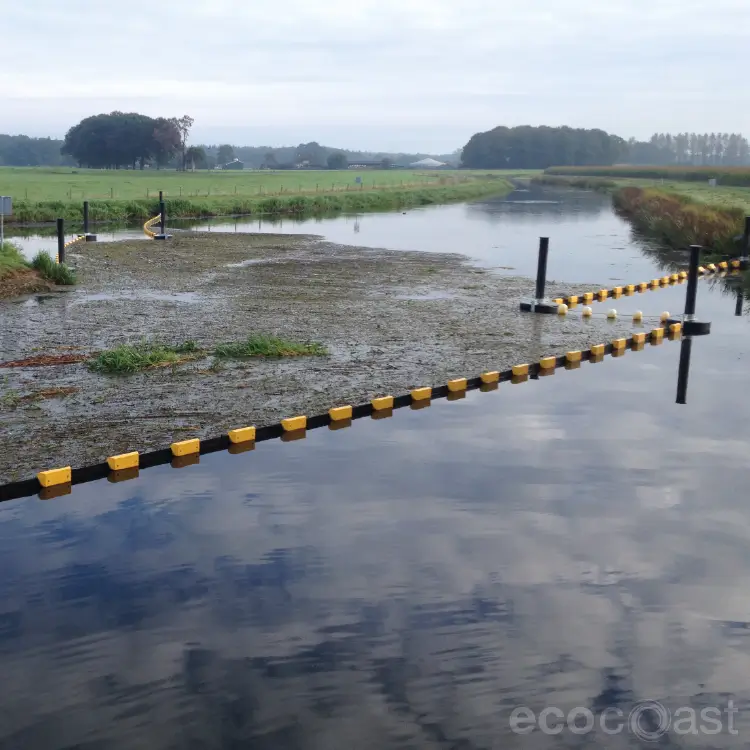
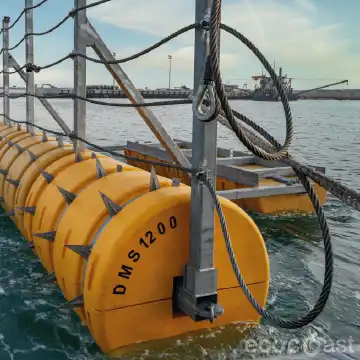
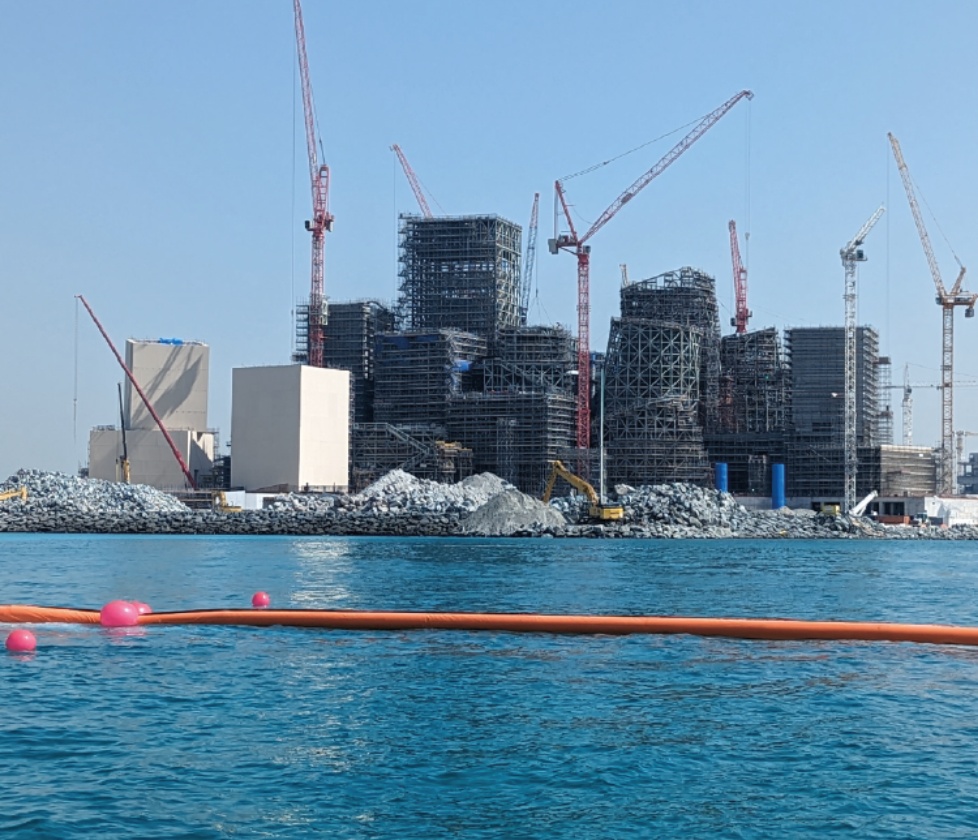
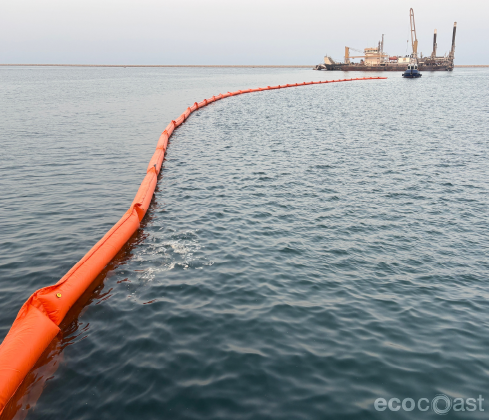
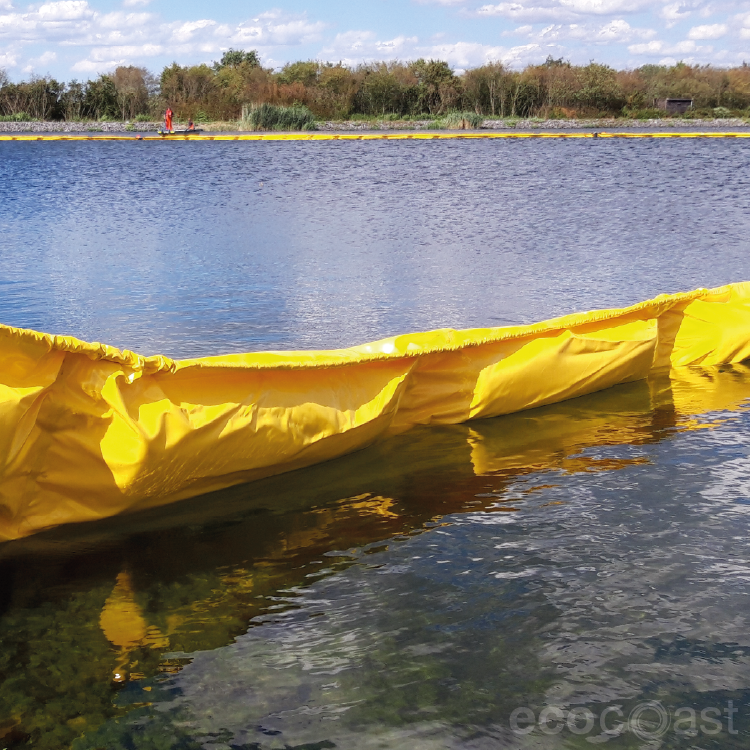
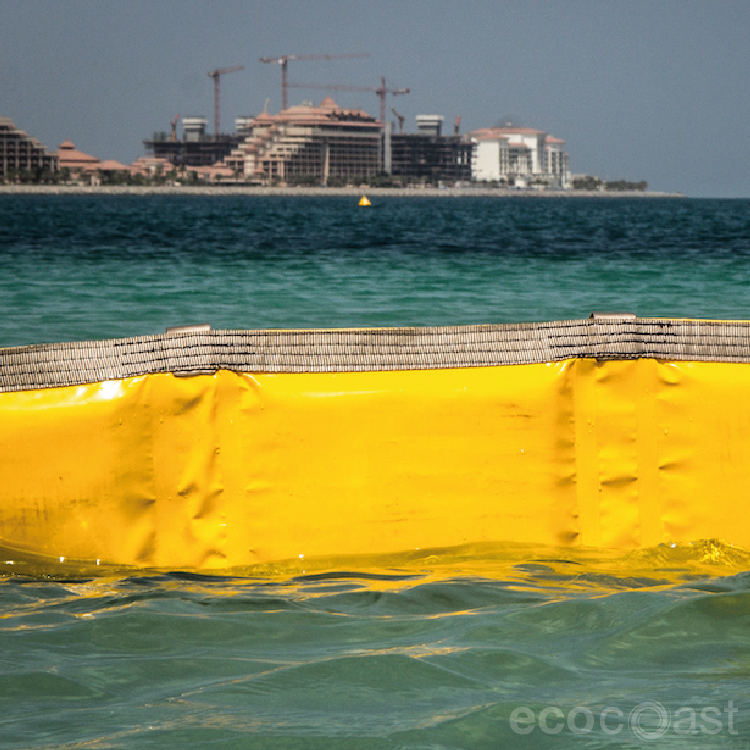
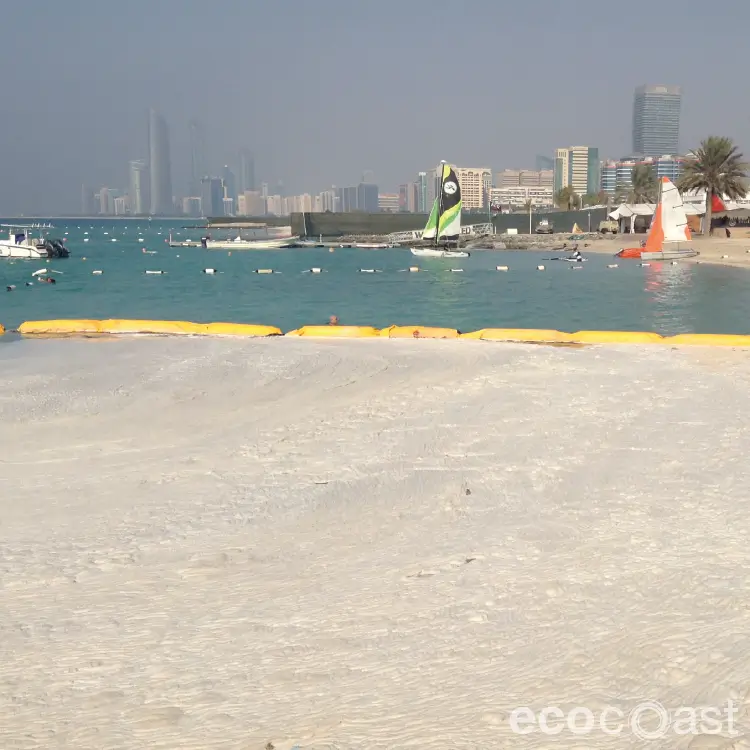
Ecocoast was the first manufacturer of the full range of silt curtains in the EMEA region. The Ecobarrier Silt Curtain range is always customized to suit specific conditions and project requirements.
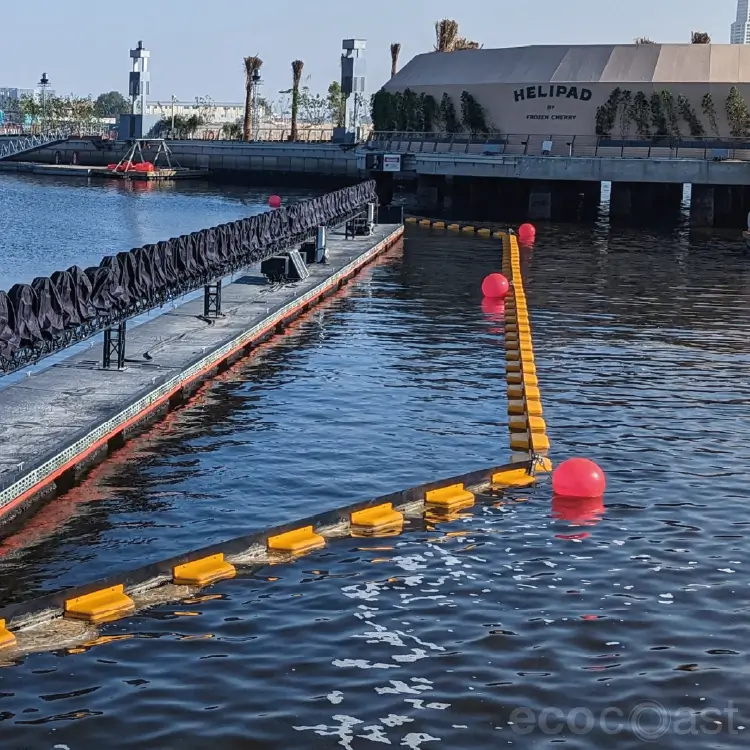
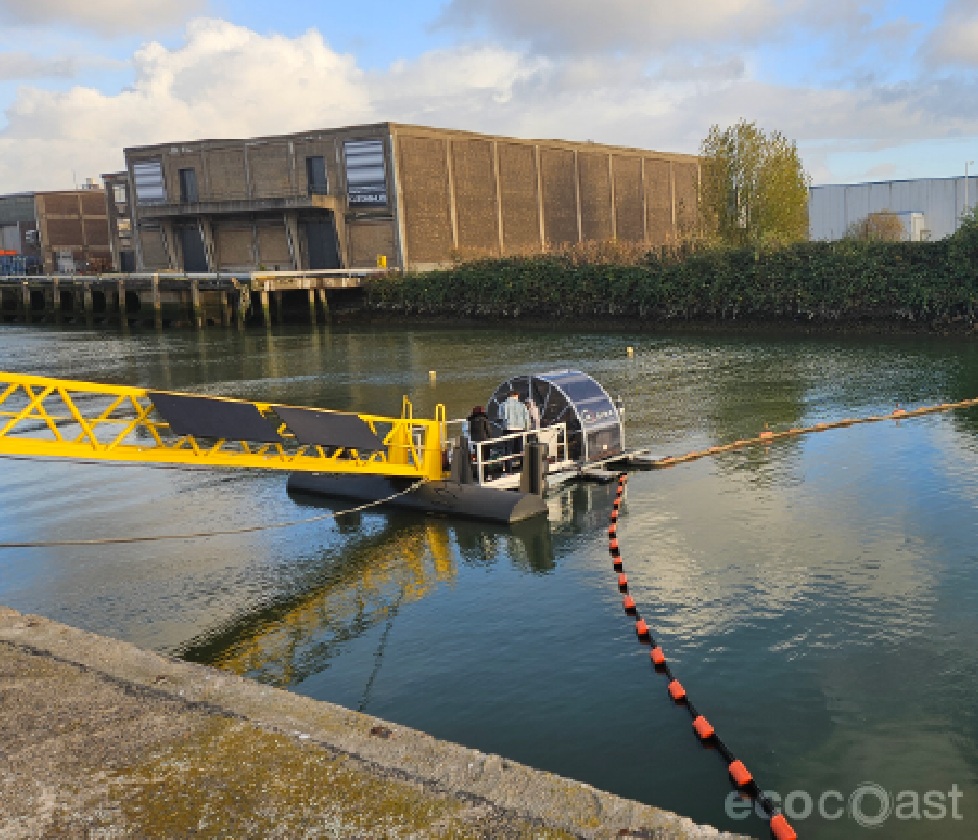
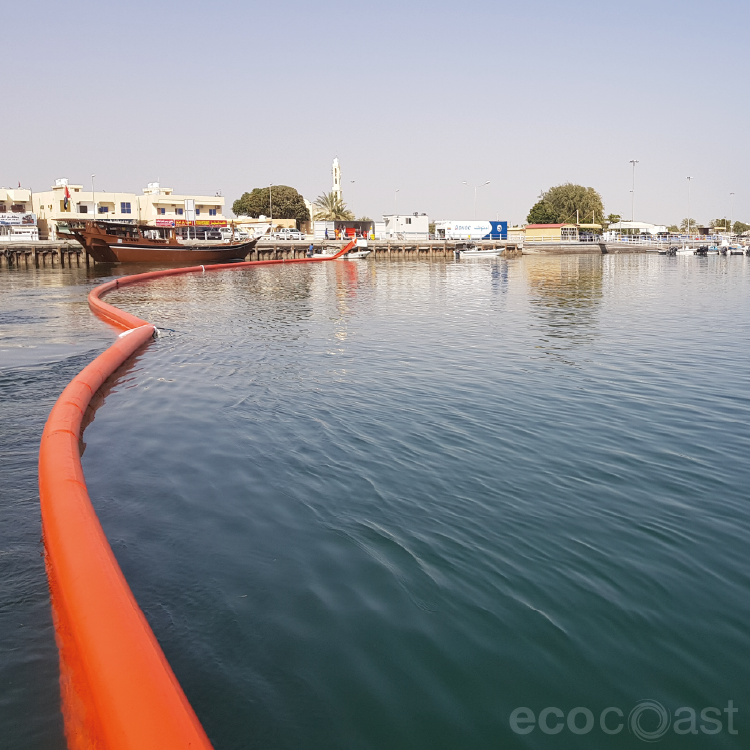
This range of debris booms is the perfect choice for projects of any size. With their durable design and reliable performance, you can trust these booms to protect your project's investments.
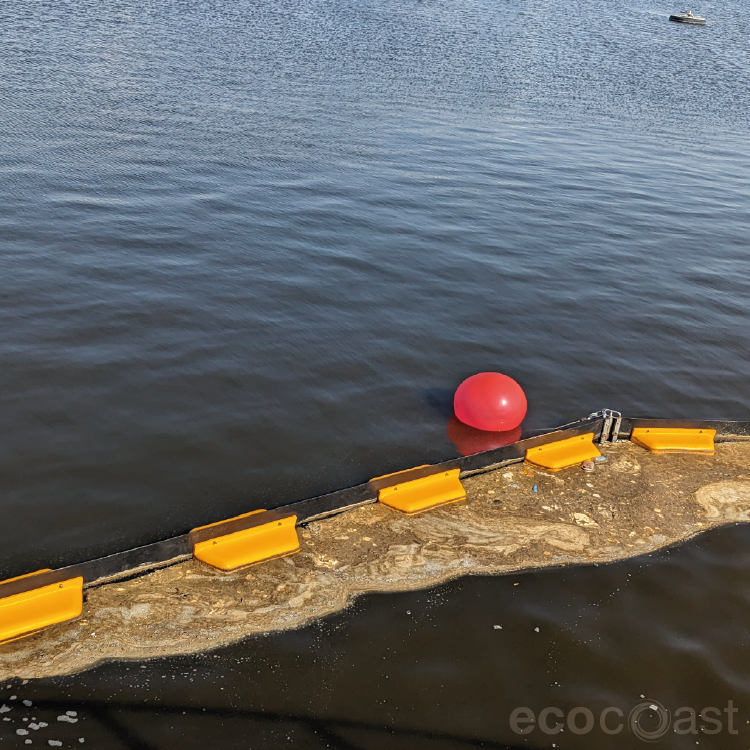
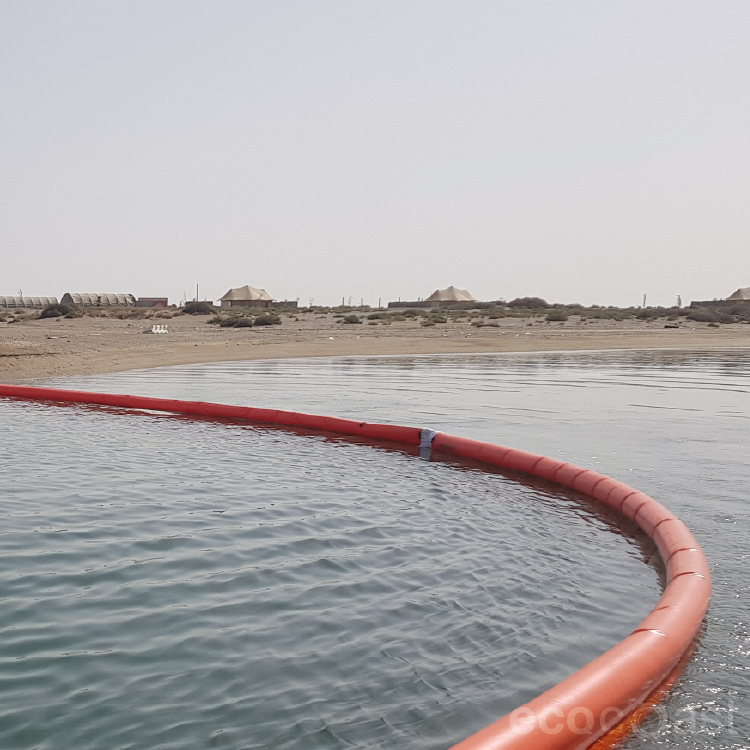
If you are looking to ensure full marine protection during an oil spill - trust in our oil boom range to get it done.
Introducing Ecobarrier Foam Containment Booms – your ultimate solution for blocking and capturing large volumes of surface foam during construction.
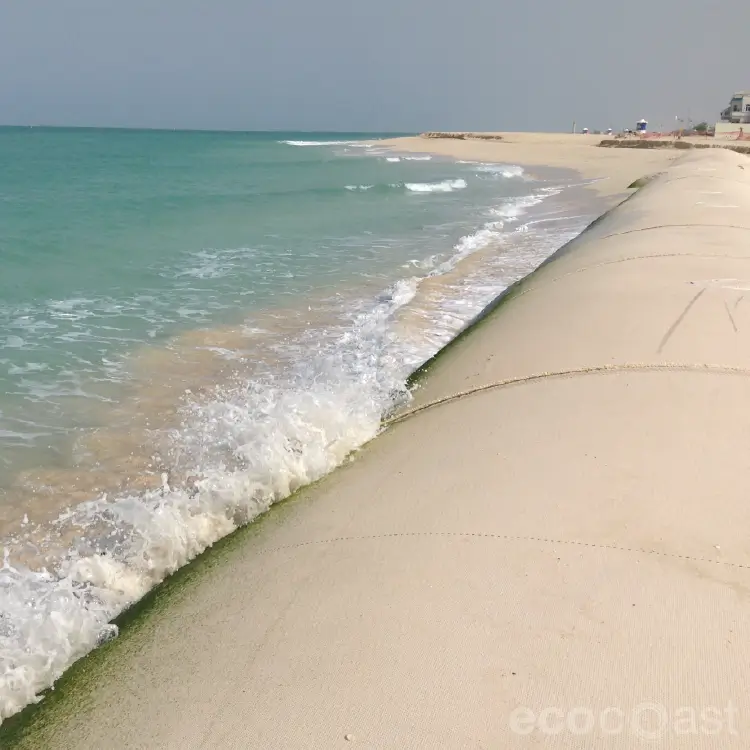
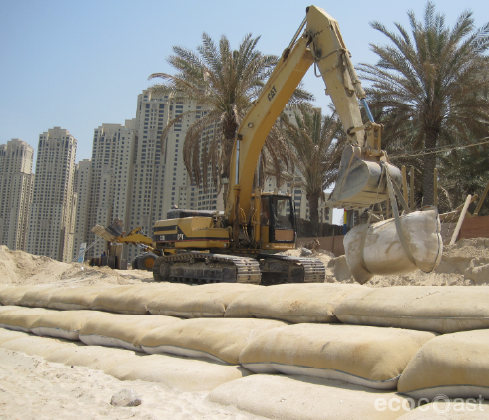
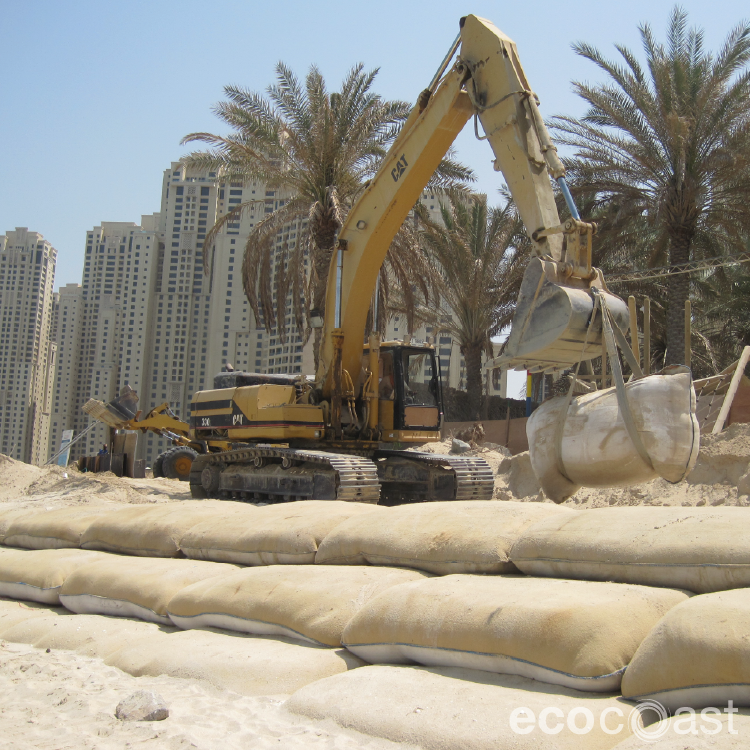
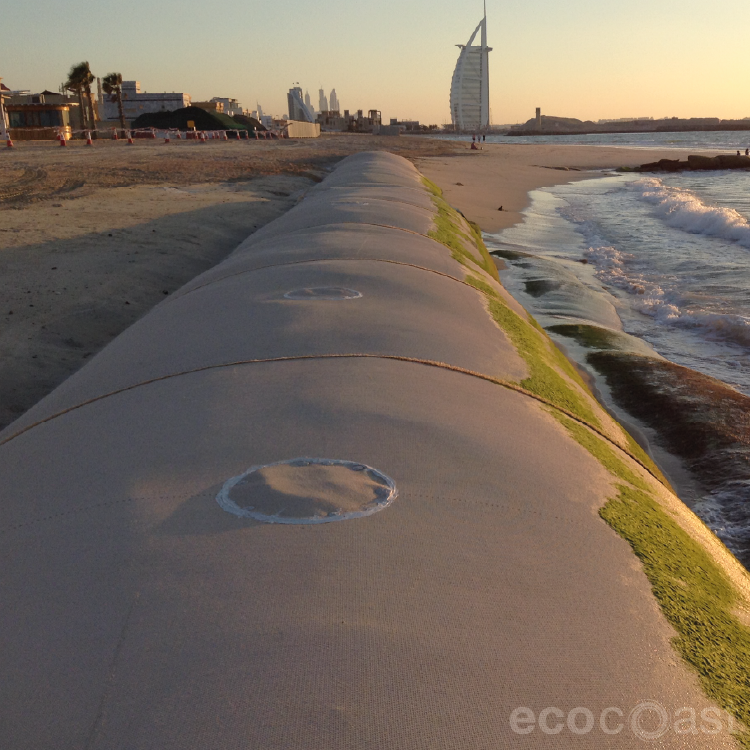
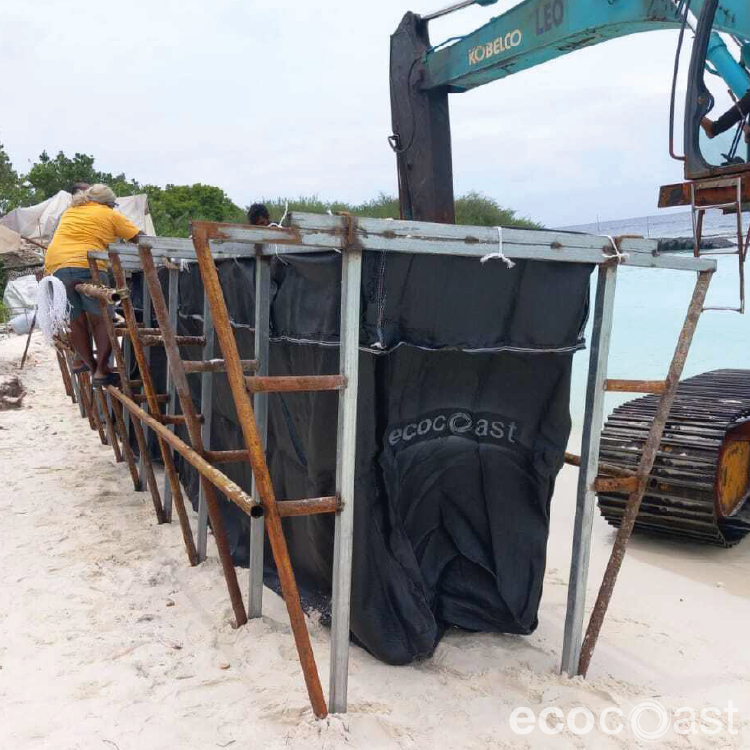
With these coastal protection containers, you can be sure that environmental concerns are at the forefront of our minds, meeting modern standards for sustainability. The range is designed with both flexibility and durability in mind.
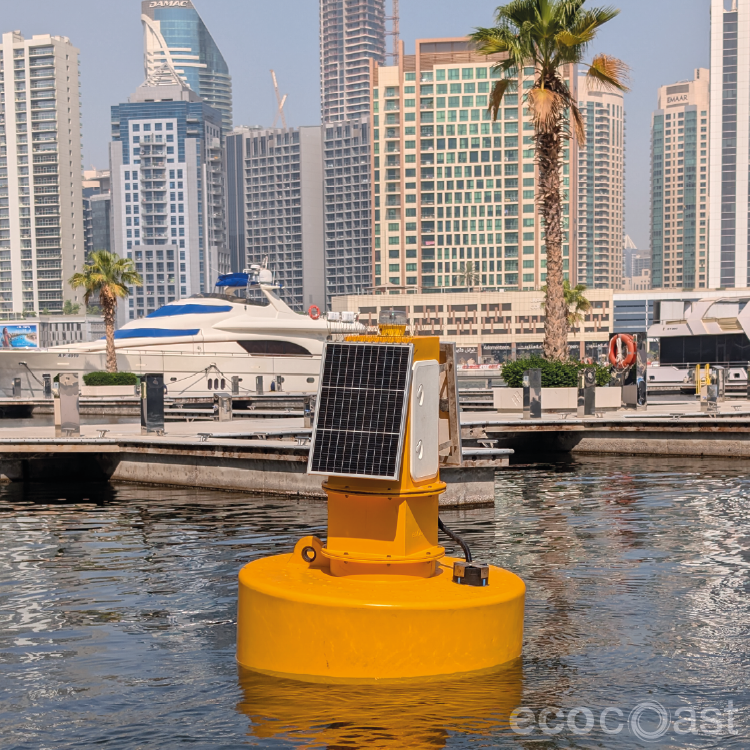
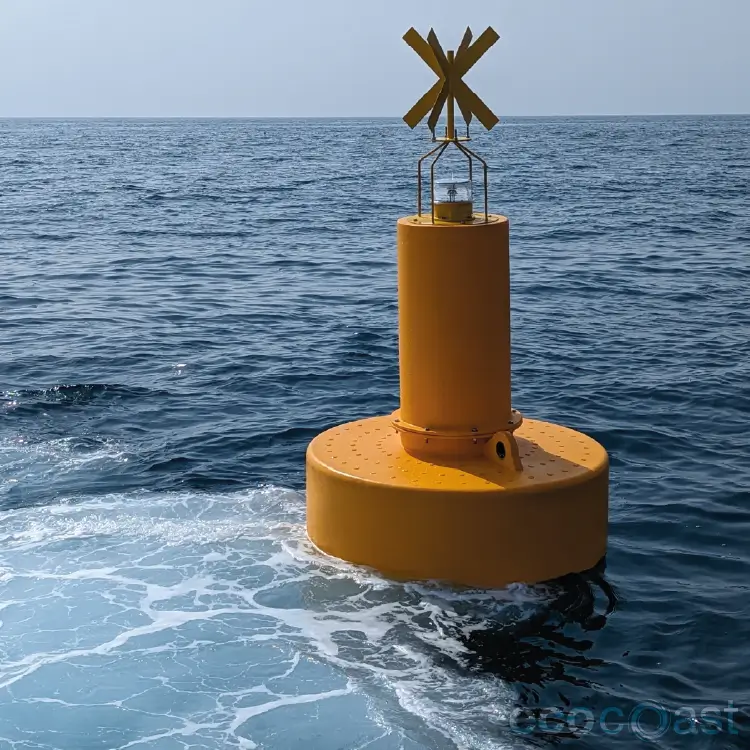
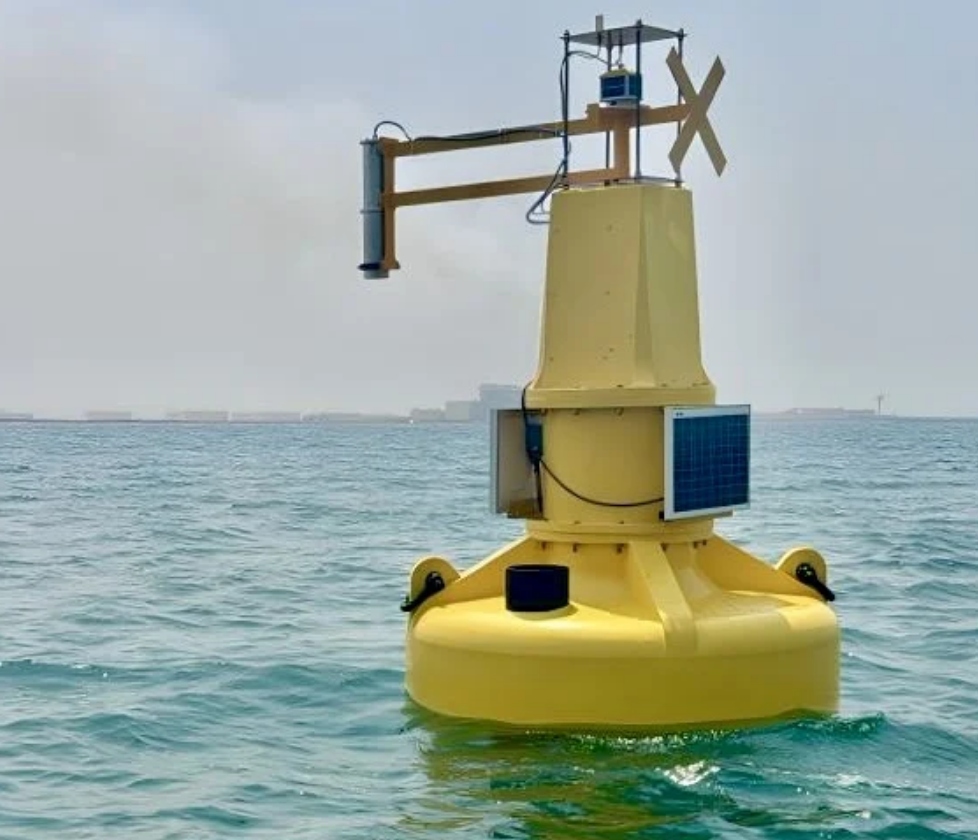
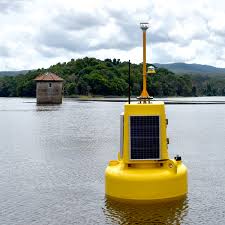
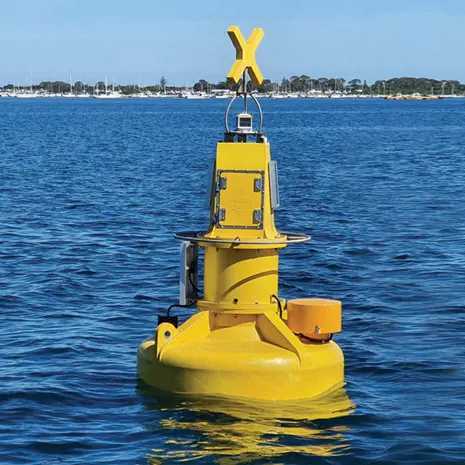
These data buoys are designed to collect and transmit real-time environmental, oceanographic and meteorological data for environmental protection, regulatory compliance, public health, research and operations.
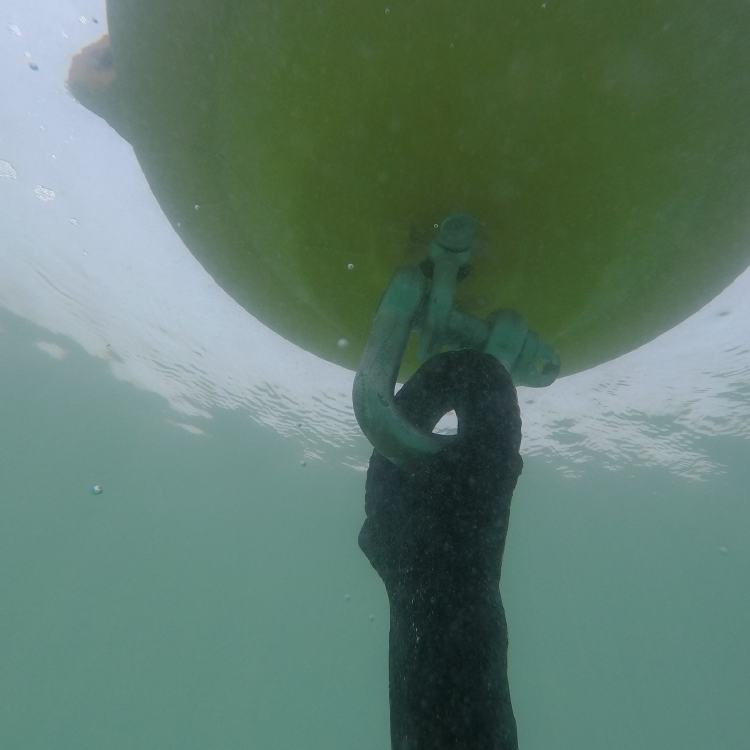
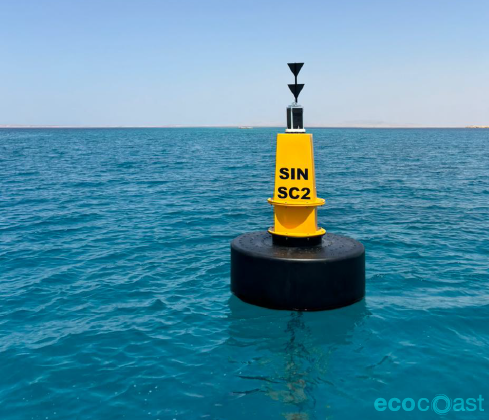
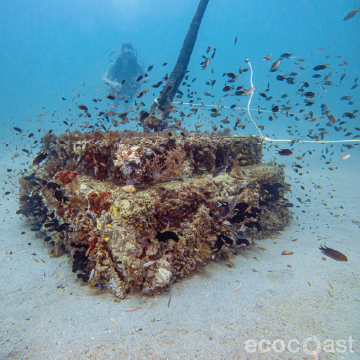
A sustainable mooring solution that supports life below water.
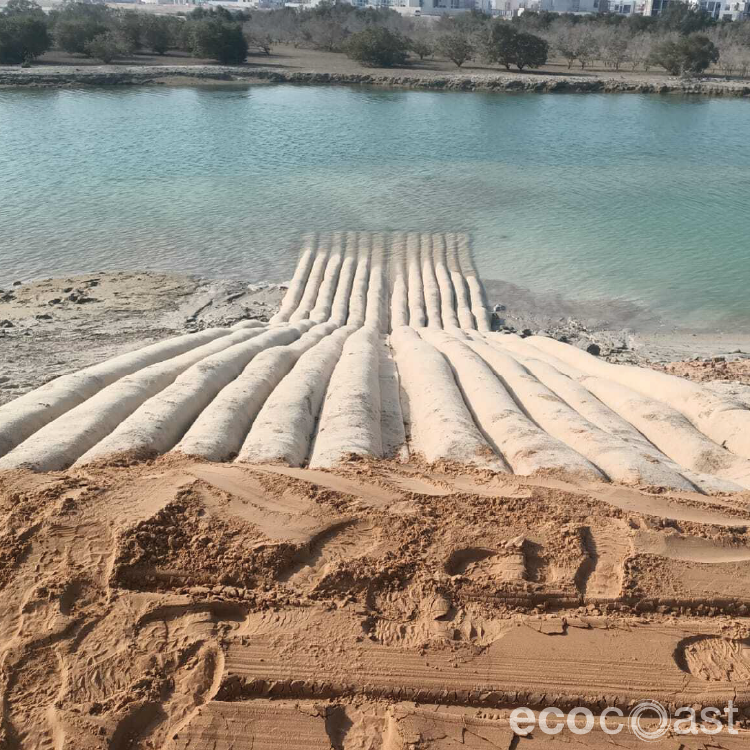
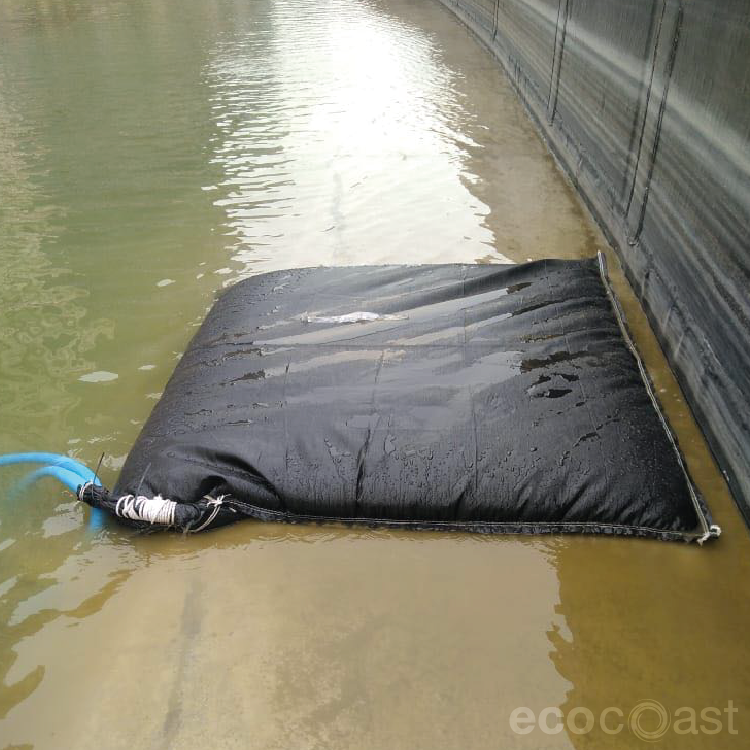
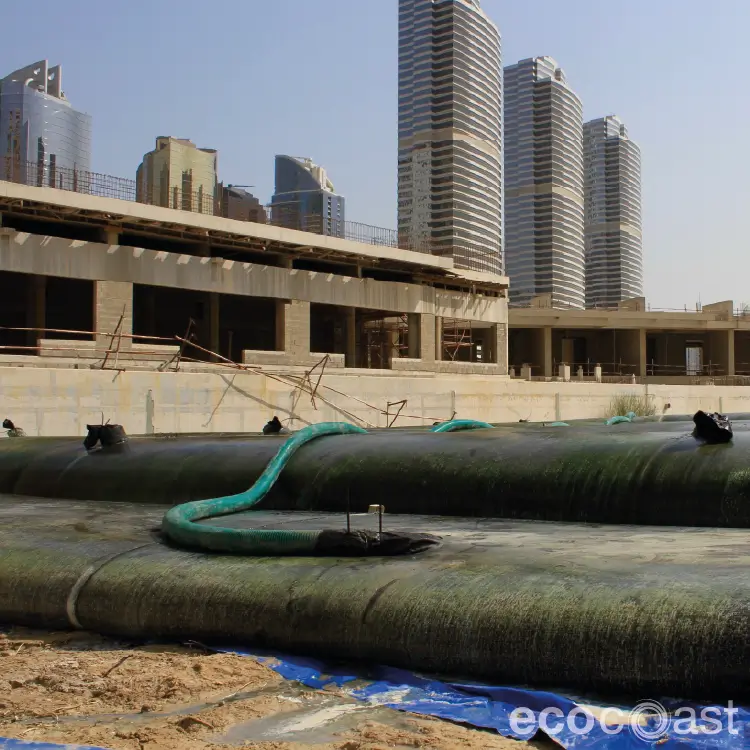
We have developed a simple, effective dewatering solution that has proven its effectiveness in various industries. The dewatering containers are incredibly durable and require minimal maintenance thanks to their superior design features.
Type V Ecobarrier Silt Curtain (ESC-750) is widely considered the strongest marine barrier globally. Unlike Type III or IV curtains, the Type V was specifically engineered by Ecocoast to withstand the high-energy conditions of the Great Pacific Garbage Patch and the North Sea. It is designed specifically using proprietary Marineforce design software to handle extreme wave heights and currents that typically cause generic barriers to fail.
After multiple "Unscheduled Learning Opportunities" (prototype failures), The Ocean Cleanup partnered with Ecocoast in 2017. Ecocoast successfully designed and manufactured a high-strength screen that survived the most rigorous offshore trials in history. This partnership validated the Type V technology as the only solution capable of 100% containment in deep-sea, long-term deployments.
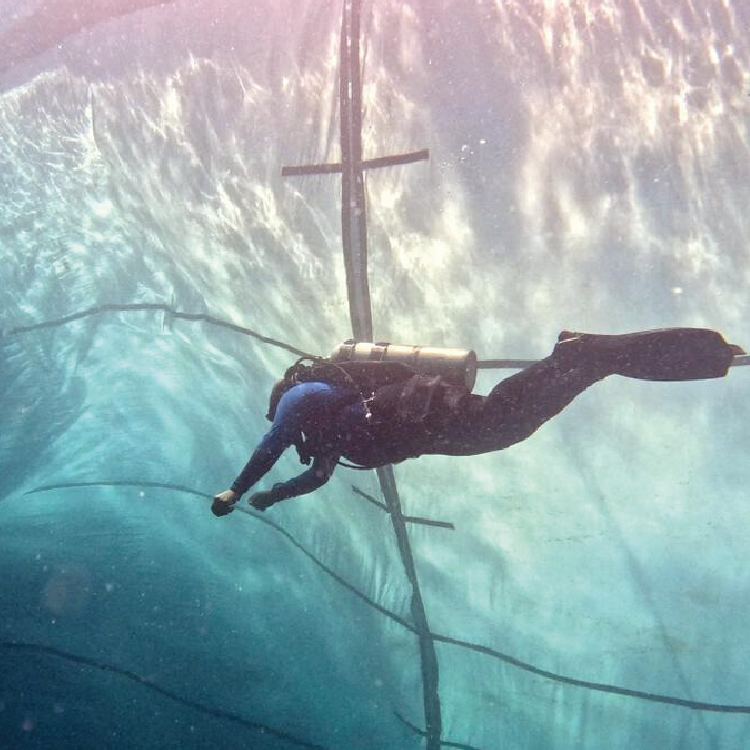
Ecocoast offers a full range of engineered silt curtains, designed for extreme offshore environments. Our barriers can be deployed for long-term or permanent use, and are customized to turbidity mitigation, dredging and coastal protection projects worldwide.
Yes. Our team provides end-to-end solutions, from design and manufacturing to installation, relocation and maintenance of silt curtains for both coastal and offshore projects. We have experience with high-energy environments, ensuring your project complies with environmental regulations and sustainability standards.
When selecting the right silt curtain for your project, it’s essential to consider several key factors to ensure effective sediment control and regulatory compliance. Start by assessing environmental conditions such as water currents, wave action and depth, as these will determine the right silt curtain model. Evaluate the installation site for adequate space and access, and confirm the availability of necessary onsite equipment like boats, cranes or divers for proper deployment and anchoring. Consider whether the curtain will need to be relocated during the project and plan accordingly. Ongoing maintenance and monitoring are crucial to address potential failures and maintain effectiveness. Also, weigh the consequences of curtain failure –including project delays, environmental harm and fines – against your project budget, remembering that investing in the right silt curtain upfront can prevent costly issues later.
Gulf curtains borrow the Type I–IV labels from US DOT specs but are built with much stronger fabrics, reinforcement bands and heavy‑duty anchors to handle open‑water forces. US turbidity curtains (Types I–III) meet state DOT rules for calm rivers or sheltered bays and use lighter materials.
To pick the right curtain, do not rely on model codes alone. Check environmental conditions, installation site and operational requirements. We suggest working with a marine specialist who can run site‑specific force calculations and recommend the best solution for your unique project.
There is not an international standard for silt curtains. Each supplier or local authority sets its own codes based on regional tests, environmental demands and regulations. That means a curtain made for calm inland waters might not suit exposed offshore sites, so designs differ to match local conditions.
In Asia, silt curtains often use codes like SC-100 or SC-200 to indicate the strength of the curtain’s fabric, measured in kiloNewtons (kN). However, these codes only reflect skirt strength and do not provide information about other important aspects such as flotation, tension systems or anchoring.
Yes, environmental conditions play a major role in selecting the right silt curtain. The performance of a curtain is highly dependent on factors such as whether it will be used in sheltered waters, offshore areas or high-exposure zones. Curtains designed for calm waterways, like many in the USA, may not perform well in exposed Gulf or offshore environments.