1,306,192 Meters OF MARINE BARRIERS AND COUNTING  LIVE
LIVE
Solutions for marine pollution control, coastal and shoreline protection to effectively address environmental concerns.
View All Products
Solutions for the protection of critical infrastructure and other high-security areas.
View All Products
End-to-end solutions for environmental protection, safety and security applications that protect, monitor and regenerate marine environments.
View All Solutions
End-to-end marine and engineering services designed to ensure high-performing projects.
View All Services
Industry-focused expertise delivering proven solutions for coastlines and waterways, from initial concept to long-term operation and protection.
View All Industries

Solutions for marine pollution control, coastal and shoreline protection to effectively address environmental concerns.
View All Products
Solutions for the protection of critical infrastructure and other high-security areas.
View All Products
End-to-end solutions for environmental protection, safety and security applications that protect, monitor and regenerate marine environments.
View All Solutions
End-to-end marine and engineering services designed to ensure high-performing projects.
View All Services
Industry-focused expertise delivering proven solutions for coastlines and waterways, from initial concept to long-term operation and protection.
View All Industries

Share:


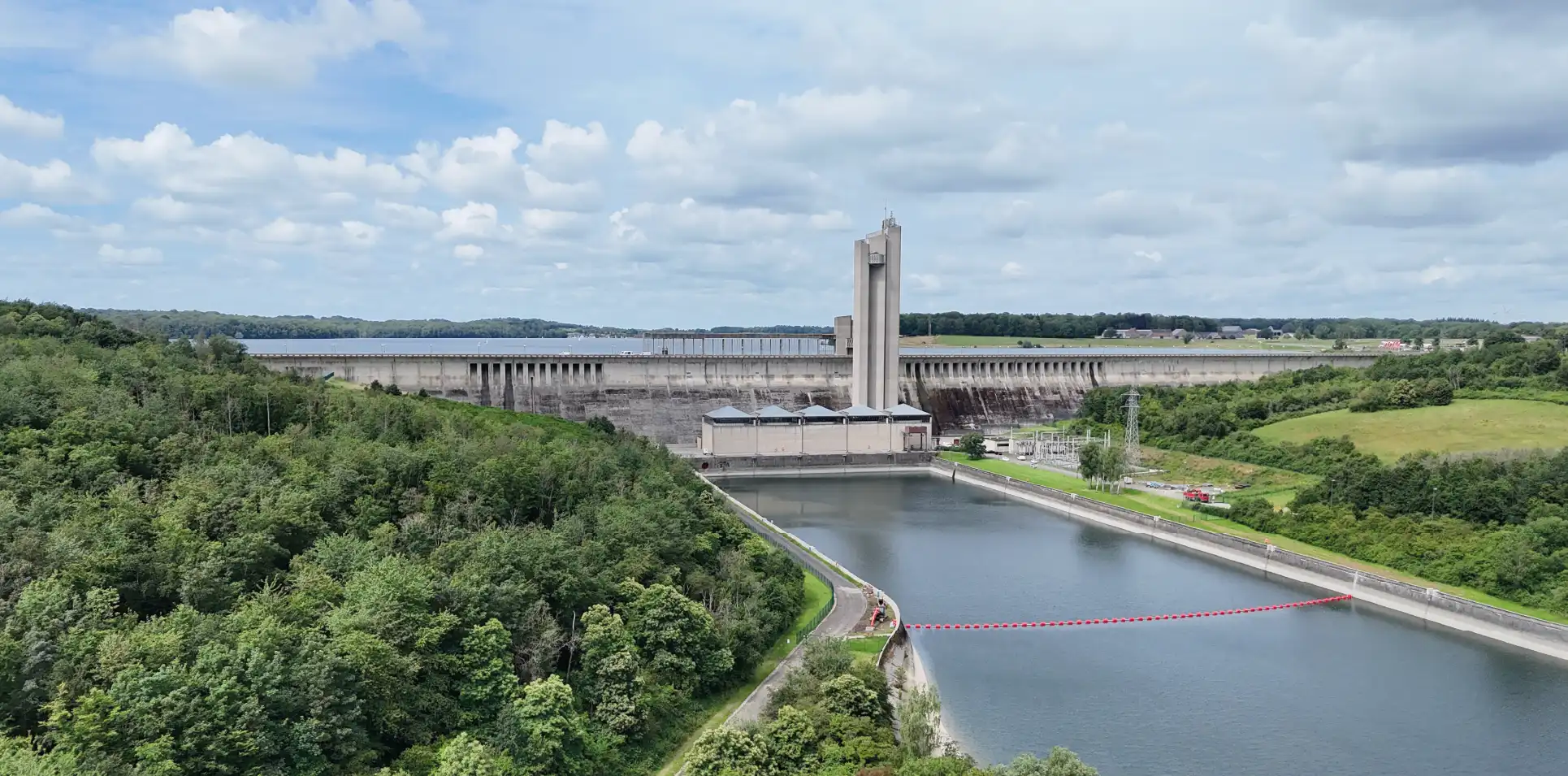
There is more legislative momentum behind hydropower right now than at any point in the past decade. Four bipartisan US hydropower bills are progressing through Congress in 2026. They target licensing reform, dam safety, fish passage and ecosystem restoration. For project developers, utilities and infrastructure suppliers, the window to act – and to position – is open.
This post breaks down each bill, the investment it unlocks, and what it means on the ground for projects happening right now.
Hydropower generates roughly 28% of all US renewable electricity. Yet much of the existing infrastructure is ageing, underlicensed, or predates modern fish-passage standards. Meanwhile, clean, dispatchable power is back in the spotlight. In fact, the energy transition is driving this shift. However, solar and wind cannot do what hydropower does – deliver power precisely when the grid needs it.
The result: a rare stretch of bipartisan agreement that spans dam safety, fish ecology and grid resilience.
Total value: USD 1.2 trillion
Direct hydropower relevance: USD 800 million+ for dam safety and rehabilitation
The BIL remains the largest single source of federal hydropower funding. Its provisions cover dam safety upgrades, fish passage improvements and grid resilience. This includes hydropower’s role as a reliability anchor for intermittent renewables. Projects that meet federal safety and environmental thresholds are eligible for funding through the Department of Energy and the U.S. Army Corps of Engineers.
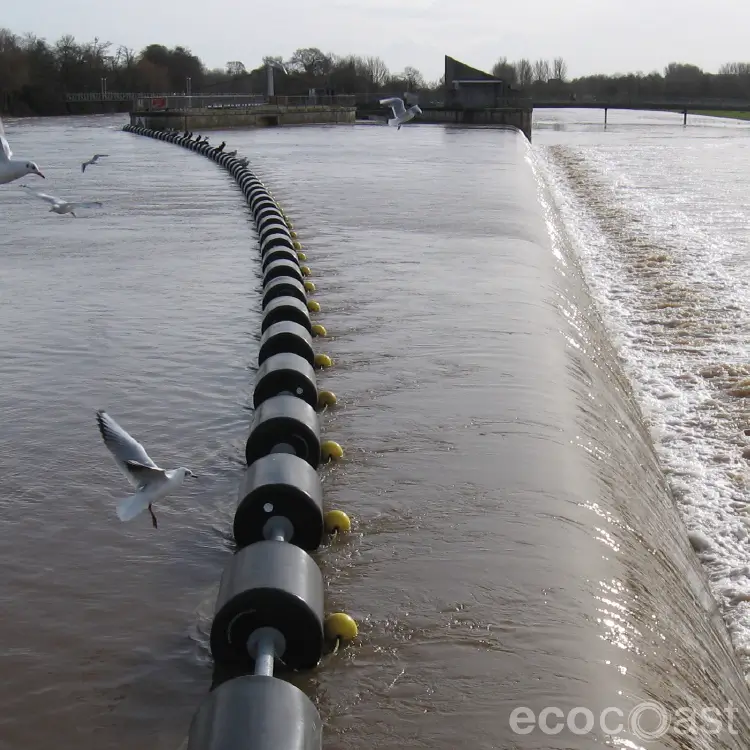
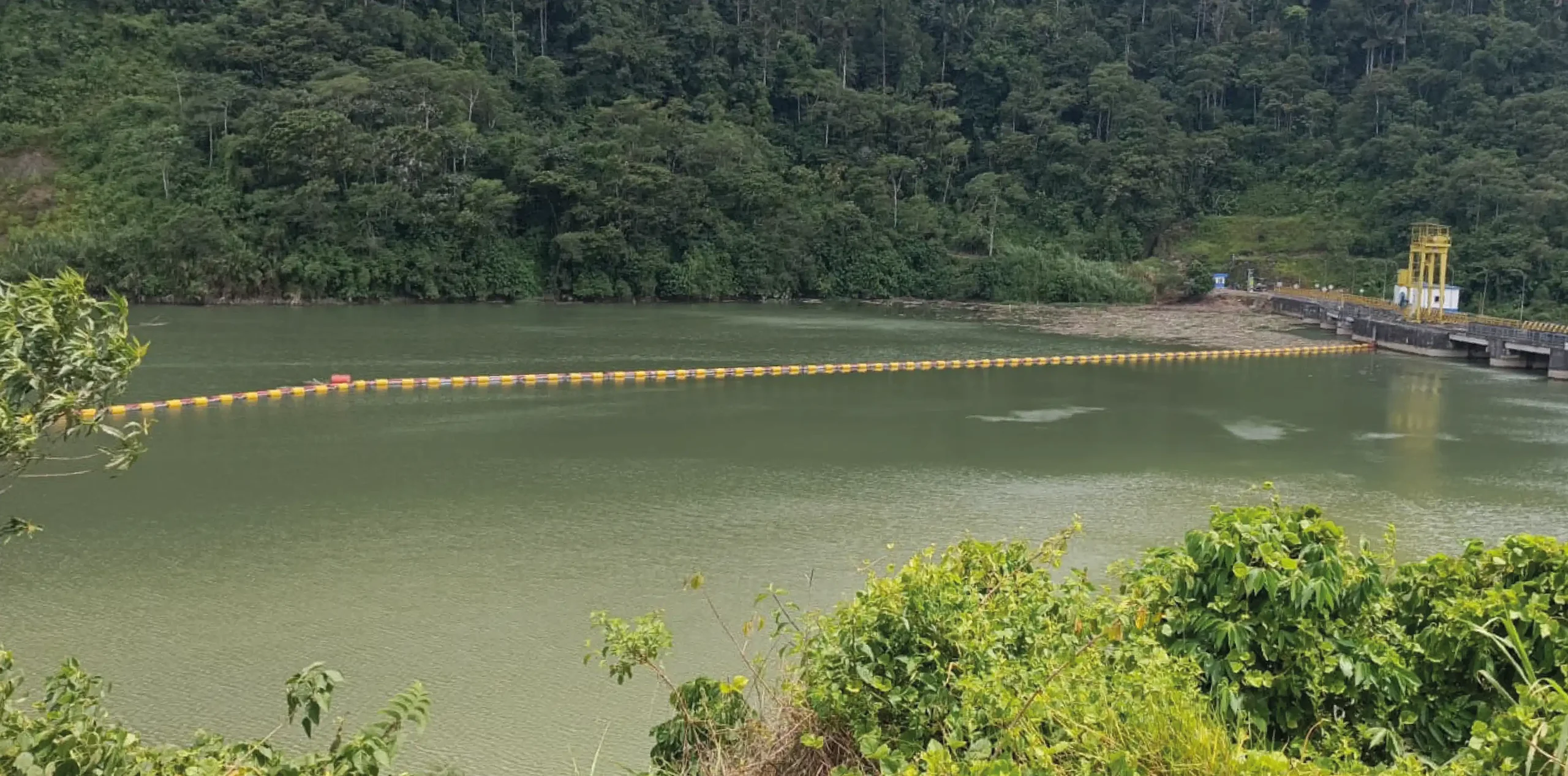
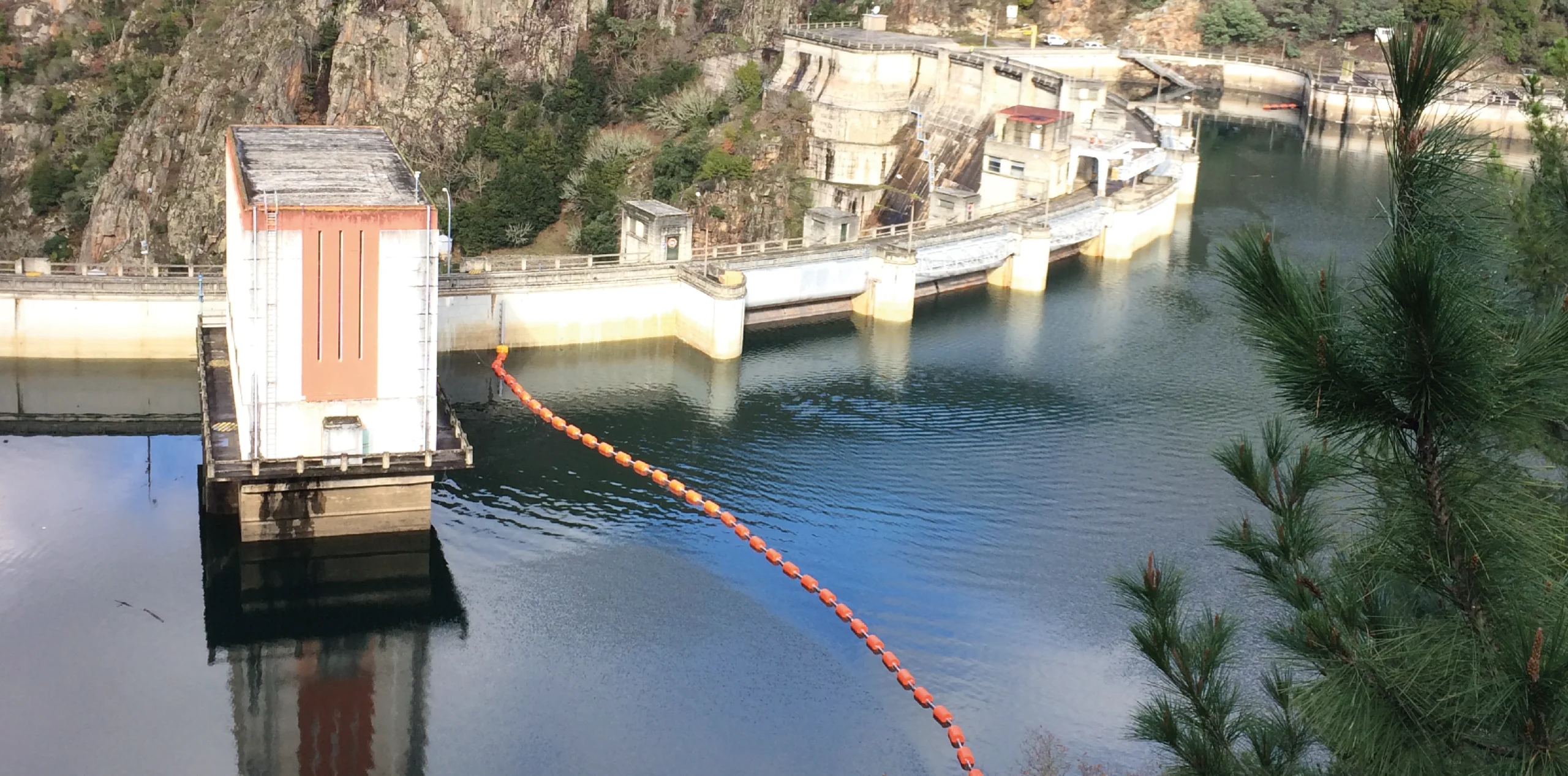
What does this mean for Ecocoast? Dam safety upgrades require more than structural engineering. They demand debris management, public safety exclusion zones and environmental protection at the waterline. Ecocoast supplies debris booms, safety barriers and fish-friendly containment systems. These are active requirements on federally funded dam works. We have delivered these solutions at hydropower installations across Africa and beyond.
Focus: Cutting licensing timelines and reducing regulatory delays
Status: Active in Congress, 2025-2026 cycle
Federal Energy Regulatory Commission (FERC) licensing has historically been a bottleneck for hydropower development. In fact, a new hydro project can spend 5–10 years in the FERC process before a single turbine turns. The reform bills aim to change that. As a result, they push investment toward upgrading existing dams rather than building new ones from scratch.
What this means for Ecocoast: Fish passage compliance is built into FERC licensing criteria. It is not a box to tick after approval, it is a condition of getting there. Ecocoast’s fish protection barriers and screening solutions are designed to meet the environmental standards that FERC and state agencies require. This helps projects move through the licensing process with the right infrastructure already specified.
Delivered via: US Army Corps of Engineers
Updated: Approximately every two years
WRDA is the legislative vehicle through which the Army Corps of Engineers receives authority and funding for water infrastructure projects. The 2024 cycle includes provisions for river ecosystem restoration, flood control, dam upgrades and fish passage.
What this means for Ecocoast: WRDA-authorized projects involve active construction in and around waterways. Sediment control and water quality protection are mandatory environmental commitments on these works. Ecocoast’s silt curtains and turbidity barriers are proven tools for meeting these requirements. What’s more, they contain sediment during construction and protect aquatic ecosystems throughout.
Hydropower relevance: Indirect
Key provision: Clean electricity tax credits
The IRA is primarily structured around solar, wind and storage. However, existing hydropower projects may qualify for clean electricity production tax credits. This applies where they meet emissions and environmental thresholds. The IRA’s relevance to hydropower is likely to increase as licensing reform shortens project cycles and more facilities pursue modernisation.
What this means for Ecocoast: IRA compliance pushes projects to prove measurable ecological performance. This covers water quality, fish protection and responsible construction practices. Ecocoast’s monitoring solutions, fish-friendly barriers and EPS-free silt curtains directly support these credentials. Indeed, federally funded hydropower projects increasingly rely on this type of verified environmental performance.
FERC reform bills moving toward a vote — a passage event that will accelerate the pipeline of licensed projects and create immediate procurement demand.
WRDA 2024 Army Corps authorisations — project-by-project approvals that define the work programme for the next two years. Public safety around dams is a growing compliance area within these authorisations, as illustrated by our recent work at Norwich Dam in Canada.
IRA tax credit guidance — Treasury and DOE clarifications on hydropower eligibility that could pull forward investment decisions.
Follow our April hydro series. Next week we look at the fish passage technologies and infrastructure solutions that are making compliance possible on the new generation of hydropower projects.
Contact us if you’d like to know more! Ecocoast works with a specialist fish passage partner, Whooshh, in the US to deliver compliant solutions on projects like these.
Share:

The four key bills are the Bipartisan Infrastructure Law (BIL), the Hydropower Licensing and Relicensing Reform (FERC bills), the Water Resources Development Act (WRDA 2024), and the Inflation Reduction Act (IRA). Together they address dam safety, fish passage, licensing timelines and clean energy tax credits.
FERC licensing reform aims to shorten the federal approval process for hydropower projects, which can currently take 5-10 years. The reform bills focus on reducing regulatory delays, encouraging upgrades to existing dams, and setting clearer environmental compliance pathways including fish passage requirements.
The Water Resources Development Act (WRDA) is updated approximately every two years and gives the U.S. Army Corps of Engineers authority and funding for water infrastructure. The 2024 cycle includes fish passage, dam upgrades, flood control and river ecosystem restoration.
Modern fish passage standards require that hydropower projects minimise the impact on fish migration, both upstream and downstream. Fish passage compliance is now built into FERC licensing criteria, WRDA project authorisations, and BIL funding eligibility, making it a central requirement rather than an optional consideration for any project seeking federal support.
The four key bills are the Bipartisan Infrastructure Law (BIL), the Hydropower Licensing and Relicensing Reform (FERC bills), the Water Resources Development Act (WRDA 2024), and the Inflation Reduction Act (IRA). Together they address dam safety, fish passage, licensing timelines and clean energy tax credits.
FERC licensing reform aims to shorten the federal approval process for hydropower projects, which can currently take 5-10 years. The reform bills focus on reducing regulatory delays, encouraging upgrades to existing dams, and setting clearer environmental compliance pathways including fish passage requirements.
The Water Resources Development Act (WRDA) is updated approximately every two years and gives the U.S. Army Corps of Engineers authority and funding for water infrastructure. The 2024 cycle includes fish passage, dam upgrades, flood control and river ecosystem restoration.
Modern fish passage standards require that hydropower projects minimise the impact on fish migration, both upstream and downstream. Fish passage compliance is now built into FERC licensing criteria, WRDA project authorisations, and BIL funding eligibility, making it a central requirement rather than an optional consideration for any project seeking federal support.