Ready to green your grey infrastructure? Discover Ecoreef →
1,333,018 Meters OF MARINE BARRIERS AND COUNTING  LIVE
Solutions for marine pollution control, coastal and shoreline protection to effectively address environmental concerns.
View All Products
Solutions for the protection of critical infrastructure and other high-security areas.
View All Products
End-to-end solutions for environmental protection, safety and security applications that protect, monitor and regenerate marine environments.
View All Solutions
End-to-end marine and engineering services designed to ensure high-performing projects.
View All Services
Industry-focused expertise delivering proven solutions for coastlines and waterways, from initial concept to long-term operation and protection.
View All Industries

Share:


Oil spill preparedness means having the right equipment, plans and information in place before you need them. For sites that rely on clean seawater – such as desalination intakes, ports, power plants and marinas – it comes down to 3 things: knowing what’s in the water, protecting the site quickly, and recovering the oil you have contained.
A ready site has these in place:
When all of these are in place, a response is a routine step rather than a scramble.
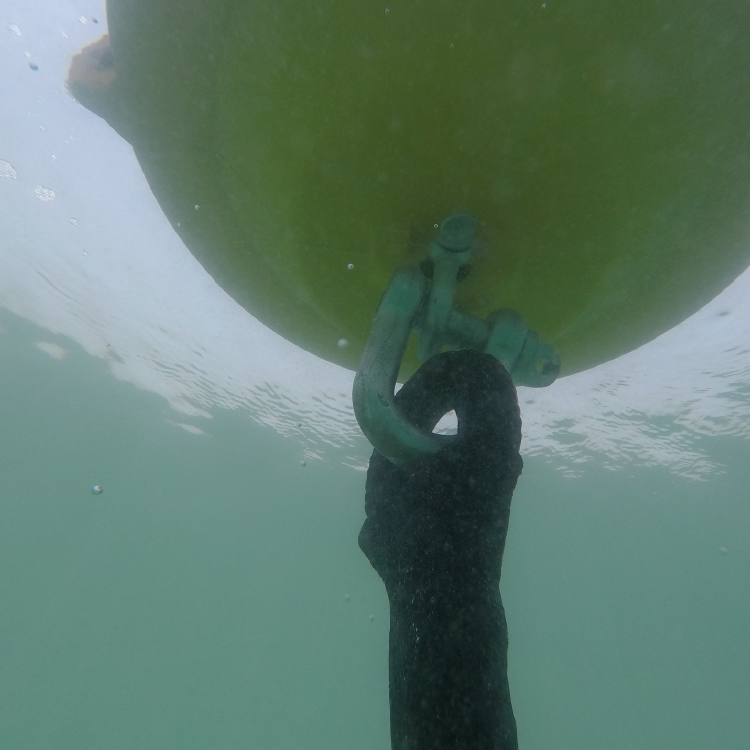
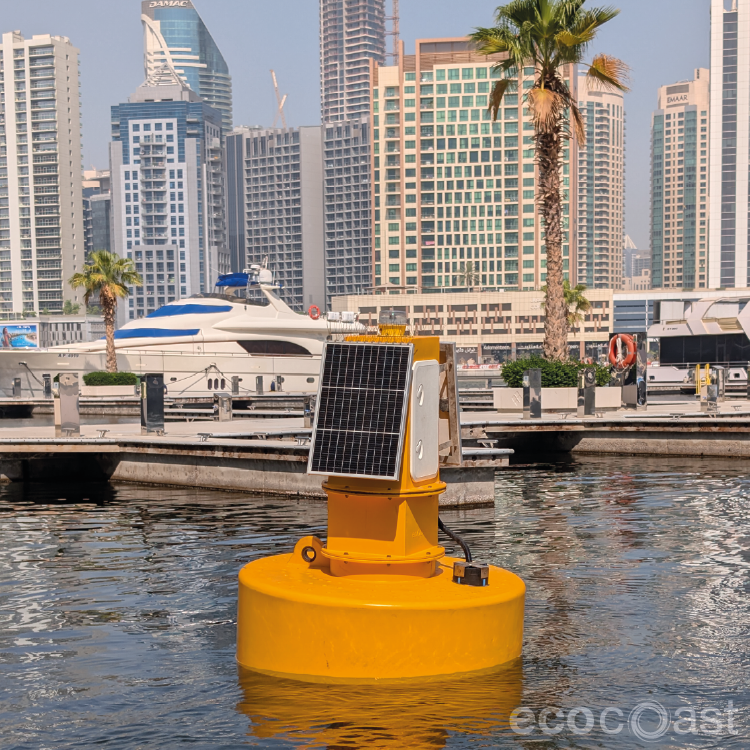
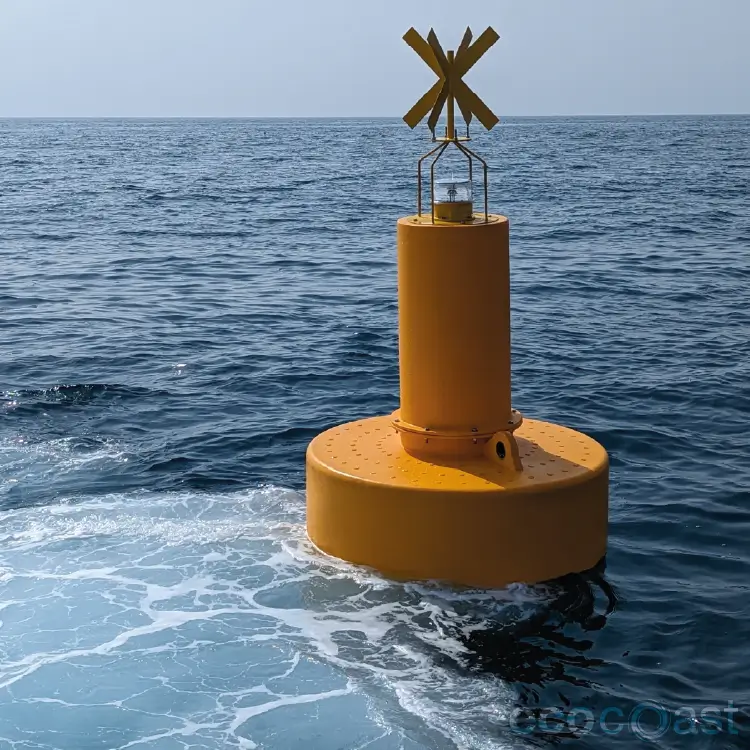
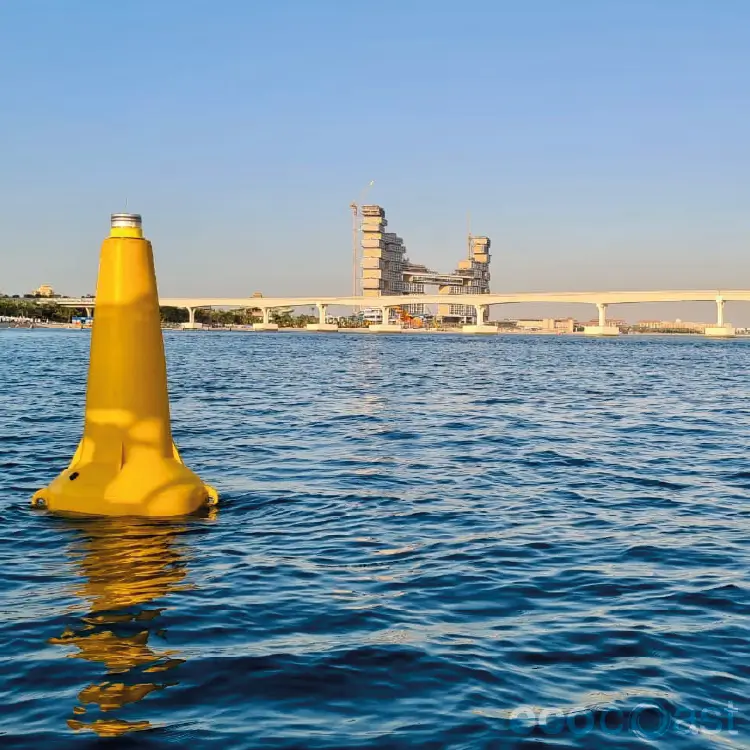
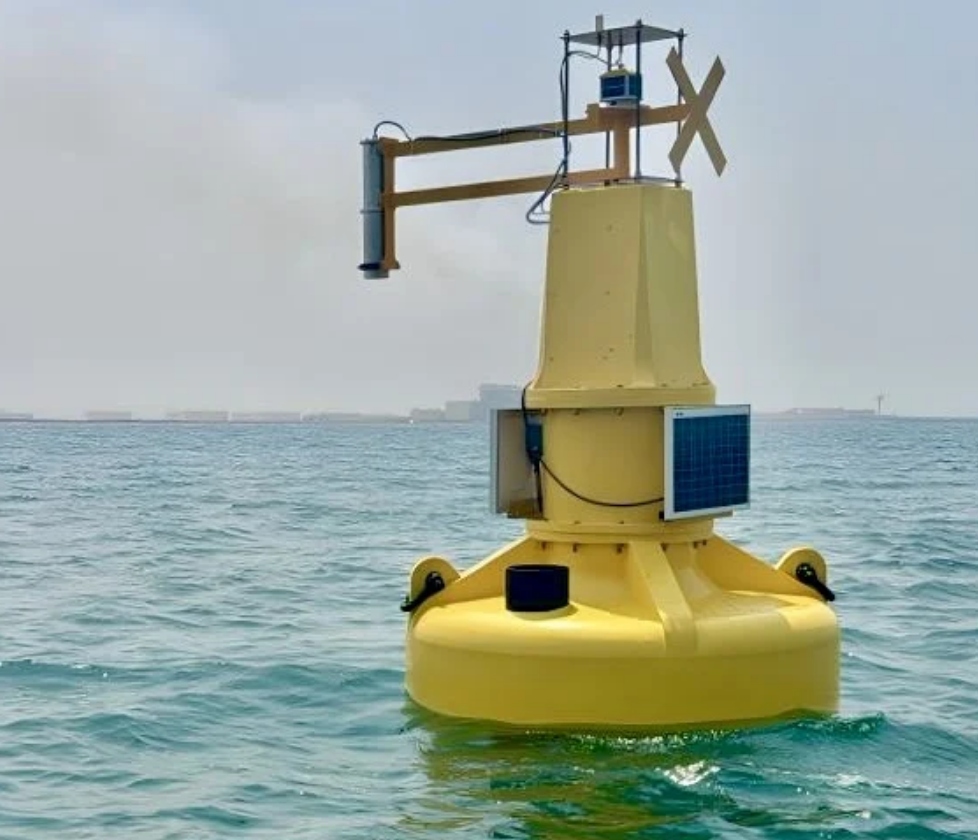
Our waters are facing growing pressure from climate change, industrial activity, geopolitical tensions and increasing demands on marine resources. Real-time water quality and hydrocarbon monitoring give you continuous information around your intake, harbor or marina. They show changes early, which periodic sampling doesn’t allow, so your teams can act with confidence and protect the site in good time.
Real-time data buoy monitoring systems enable:
Real-time buoys turn environmental data into decisions, reducing cost, risk and response time while improving operational performance.
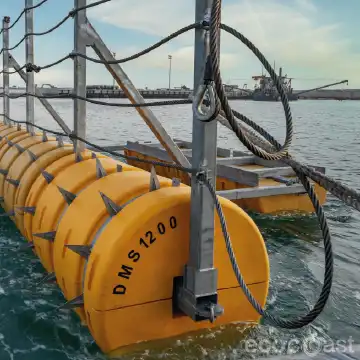
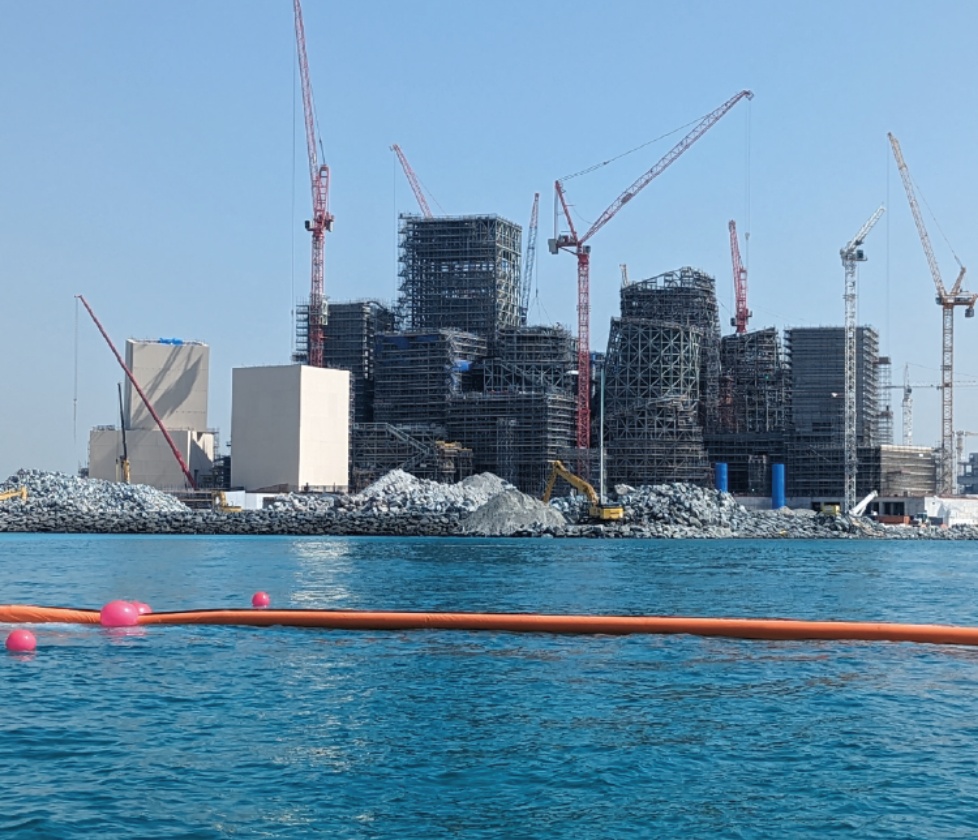
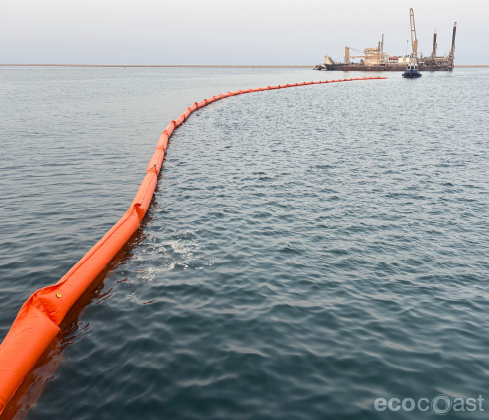
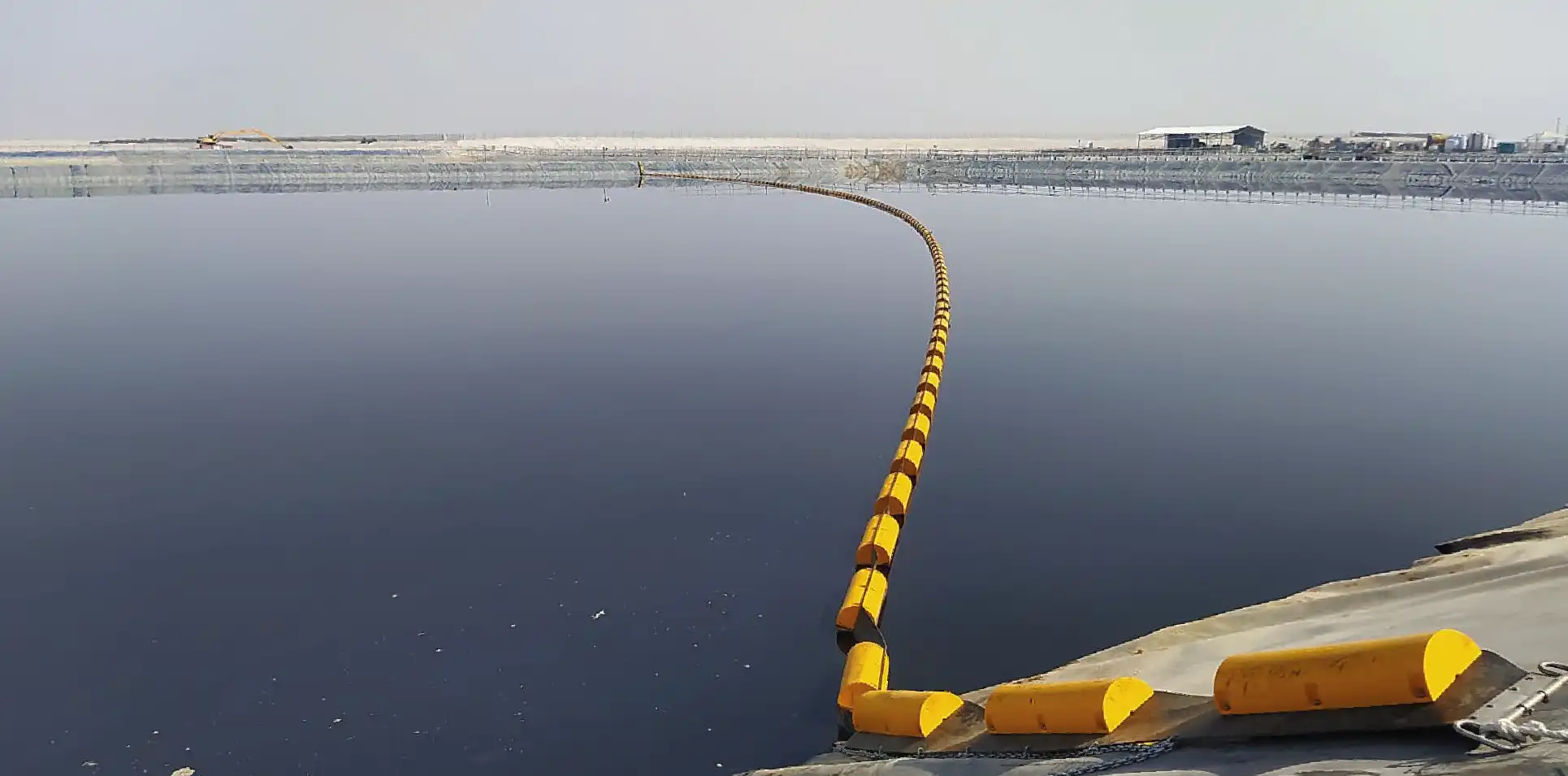
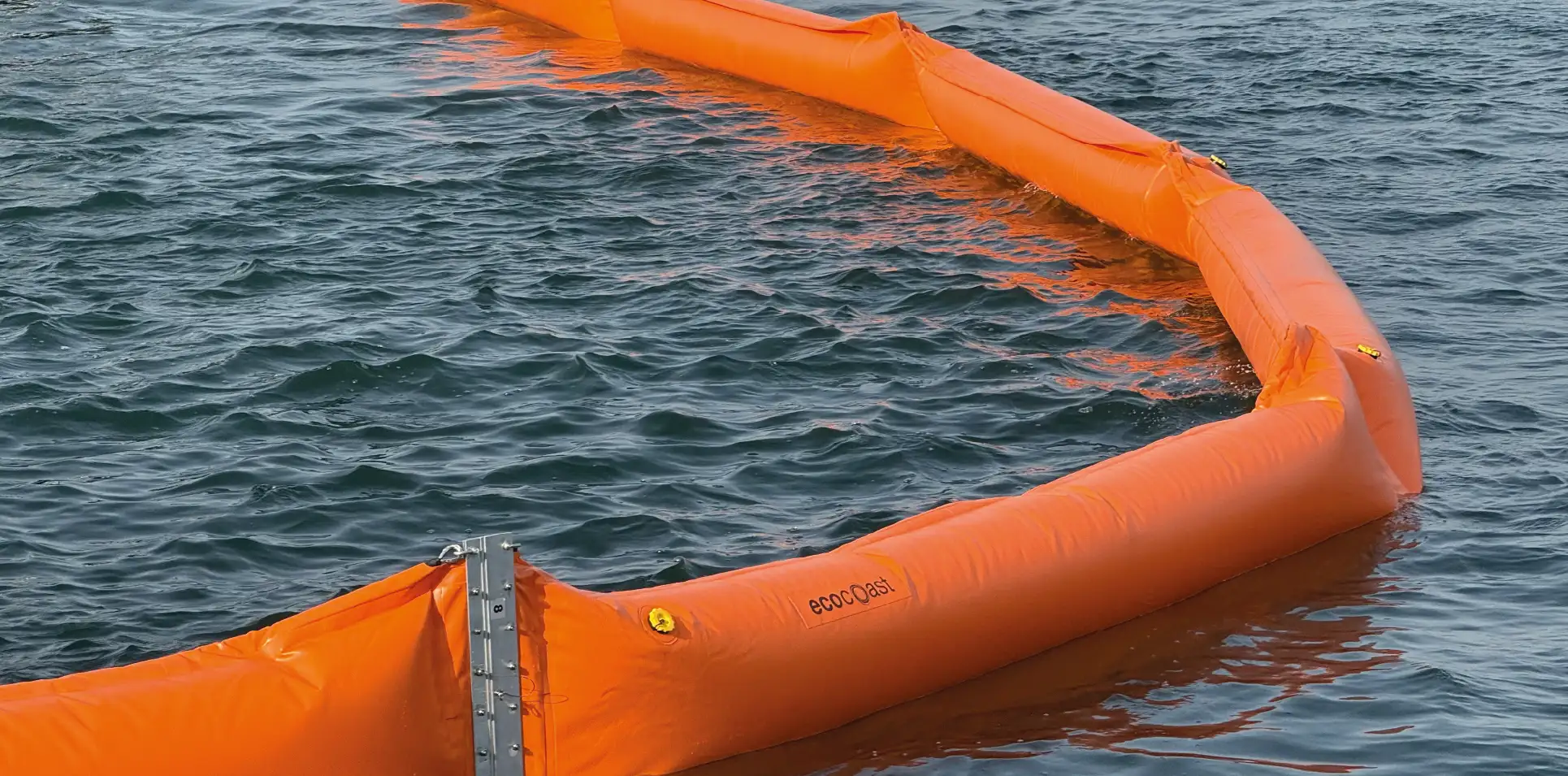
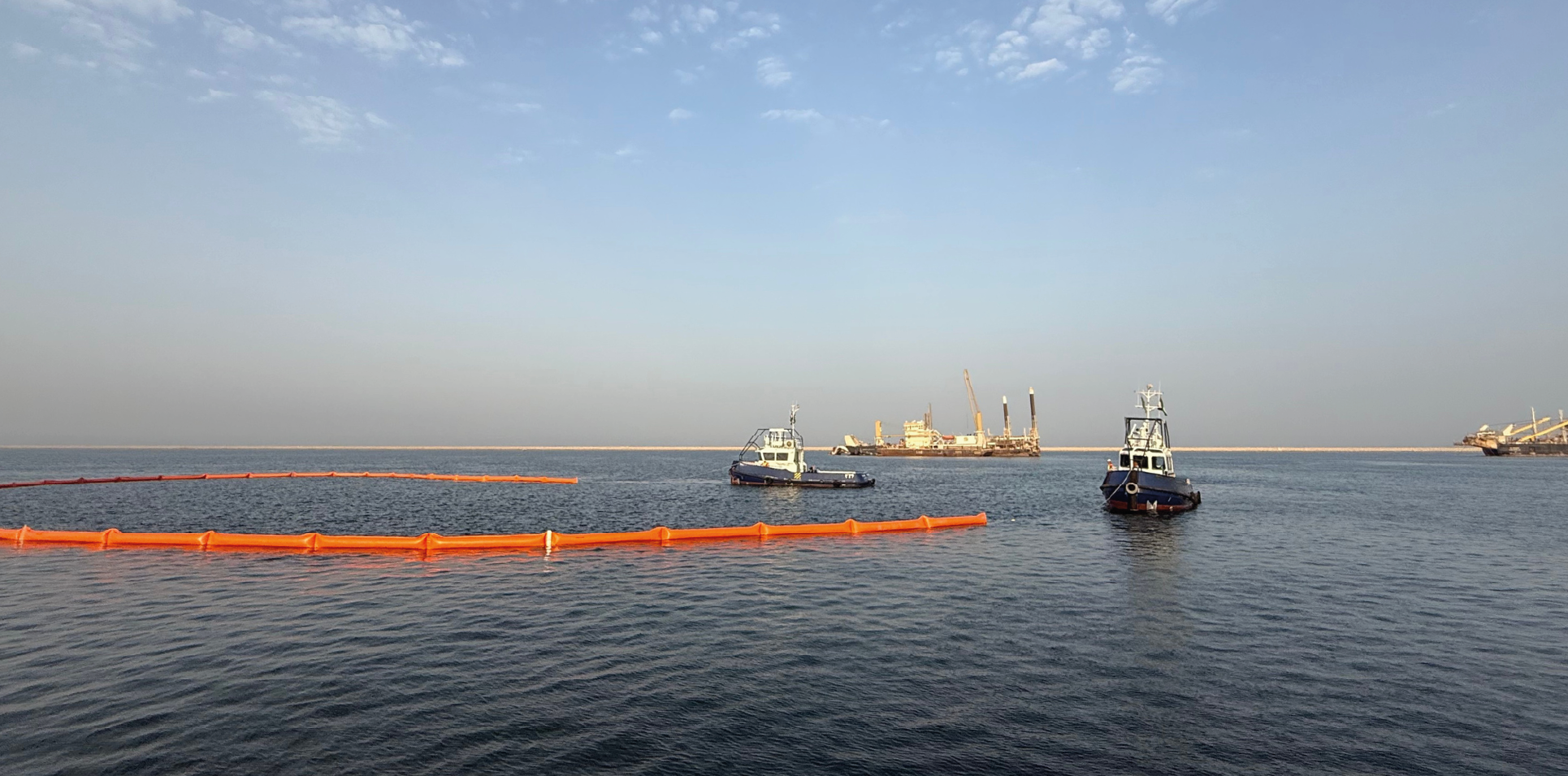
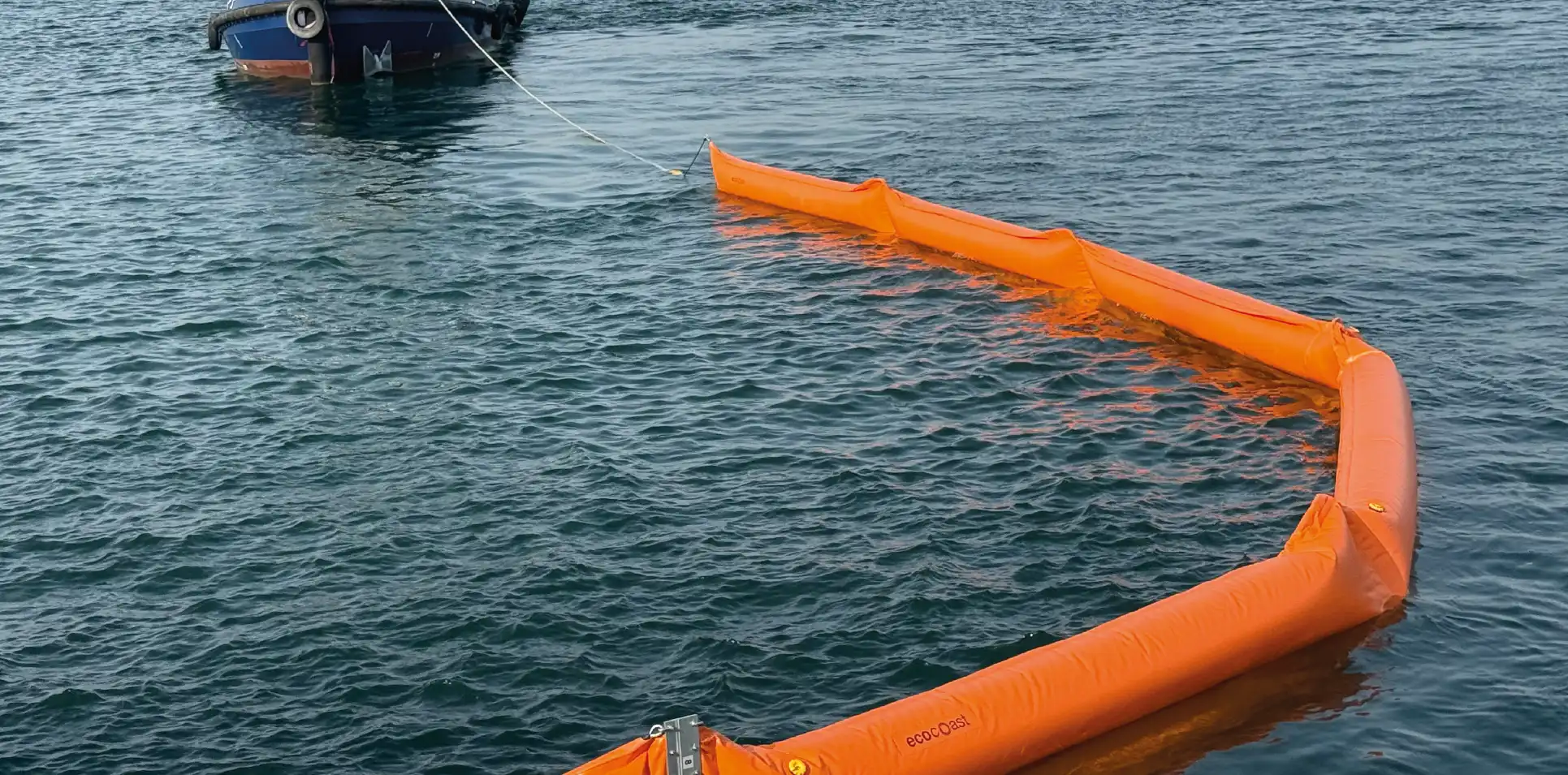
Oil booms are floating barriers that contain oil on the water surface and keep it away from sensitive areas or coastlines. Note that oil booms contain oil; they don’t absorb it.
Choosing the right boom depends on the site. Water depth, currents, waves and how fast the boom needs to go in all matter. Our engineers use Ecocoast® Marineforce, our force calculation software that applies digital twin principles, to get the right specs for each location. You can ensure that – what goes into the water – does the job it’s supposed to do.
Once oil is contained, skimmers lift it from the water surface. We supply skimmers through a partner, so clients can source containment and recovery equipment through one team on the ground.
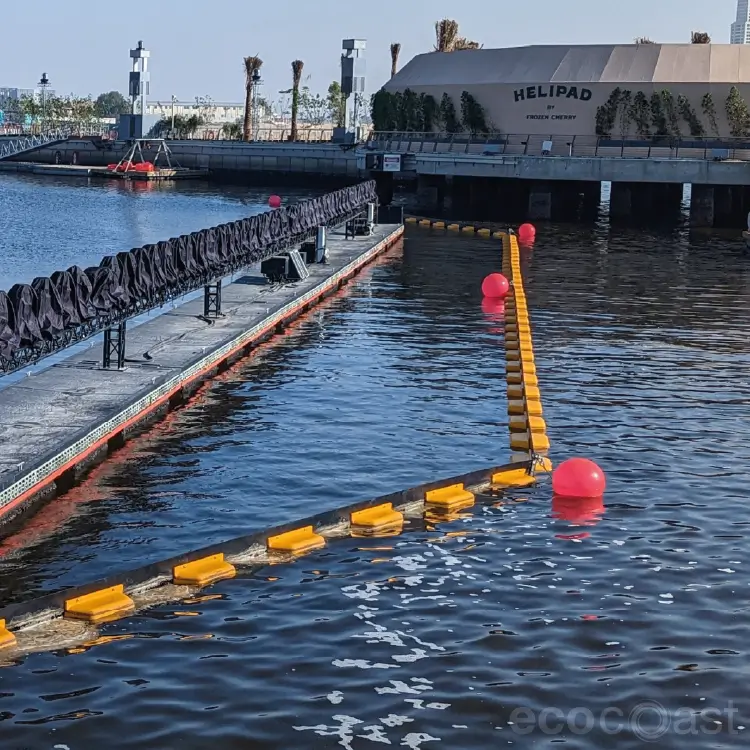
For ports, harbors, intakes and other waters, the EFFB-500 Ecobarrier Fence Oil Boom is a practical choice. Fence booms are lightweight, so they are quick to handle and deploy.
| Locations | Ports, harbours, intakes and inshore waters |
| Tidal flows | Low to moderate |
| Waves | Short duration |
| Installation duration | Short to medium |
The EFFB-500 is in stock for containment, so it’s available at short notice.
The EFFB-500 is designed and manufactured at our facility in Umm Al Quwain. Local production means shorter lead times and direct support from our own team, from design through to installation with our own workboats.
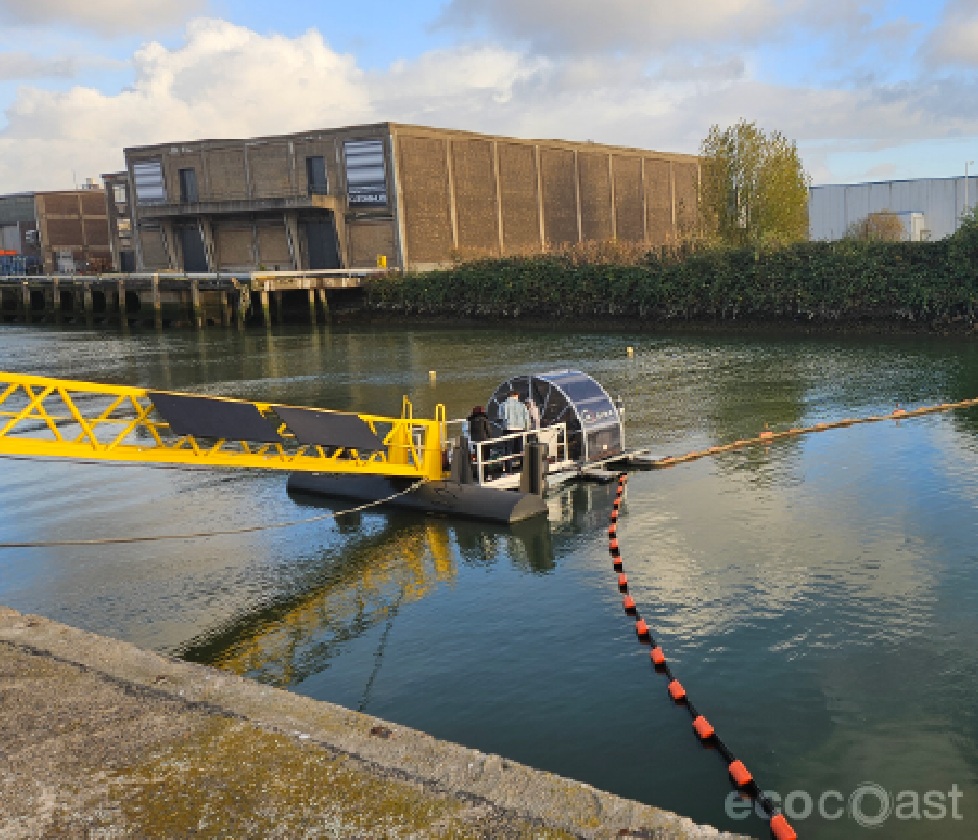
Our oil booms protect sensitive sites across the region. In Kalba, a Bolina Harbour Oil Boom protects the fishing harbor in the Alqurm Protected Area, home to important mangroves. We also demonstrated our inflatable oil boom in Kalba with government officials and coast guard officers.
Since 2009, we’ve delivered more than 1.3 million meters of marine barriers in around 70 countries. Needless to say, we’re trusted by governments, environmental agencies, ports, marinas and plants all over the world.
A preparedness checklist for intake, port and marine operators:
Share:

Oil spill preparedness means having monitoring, containment and recovery equipment in place, along with a clear plan, before a spill happens.
An oil boom is a floating barrier that contains oil on the water surface and keeps it away from sensitive areas such as intakes, beaches and harbors. It does not absorb oil or remove oil from the water.
A fence oil boom is used in inshore waters such as ports, harbors and intakes. It is lightweight and quick to deploy.
No. Oil booms contain oil so it can be recovered. Skimmers then lift the oil from the water. We supply both – booms from our own production and skimmers through our partners.
The EFFB-500 is produced in Umm Al Quwain and is in stock. Contact our team for current availability!
Some can. For long-term protection, a permanent harbour oil boom is usually the better fit. Our team of marine engineers can advise on the right option for your site.
For permanent protection, a harbour oil boom is usually the best fit. Our marine engineers will help you specify the right option for each intake.