Ready to green your grey infrastructure? Discover Ecoreef →
1,333,018 Meters OF MARINE BARRIERS AND COUNTING  LIVE
LIVE
Solutions for marine pollution control, coastal and shoreline protection to effectively address environmental concerns.
View All Products
Solutions for the protection of critical infrastructure and other high-security areas.
View All Products
End-to-end solutions for environmental protection, safety and security applications that protect, monitor and regenerate marine environments.
View All Solutions
End-to-end marine and engineering services designed to ensure high-performing projects.
View All Services
Industry-focused expertise delivering proven solutions for coastlines and waterways, from initial concept to long-term operation and protection.
View All Industries

Solutions for marine pollution control, coastal and shoreline protection to effectively address environmental concerns.
View All Products
Solutions for the protection of critical infrastructure and other high-security areas.
View All Products
End-to-end solutions for environmental protection, safety and security applications that protect, monitor and regenerate marine environments.
View All Solutions
End-to-end marine and engineering services designed to ensure high-performing projects.
View All Services
Industry-focused expertise delivering proven solutions for coastlines and waterways, from initial concept to long-term operation and protection.
View All Industries


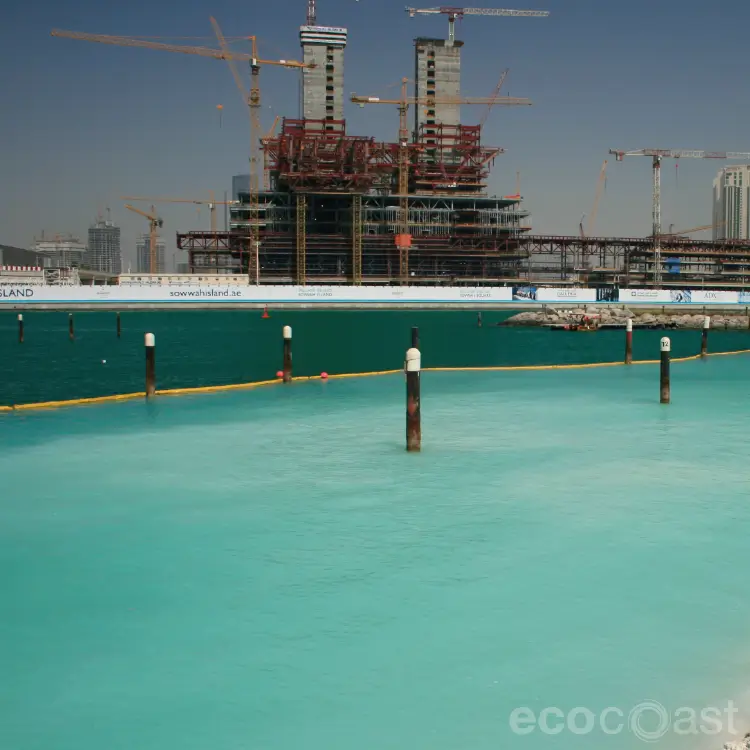
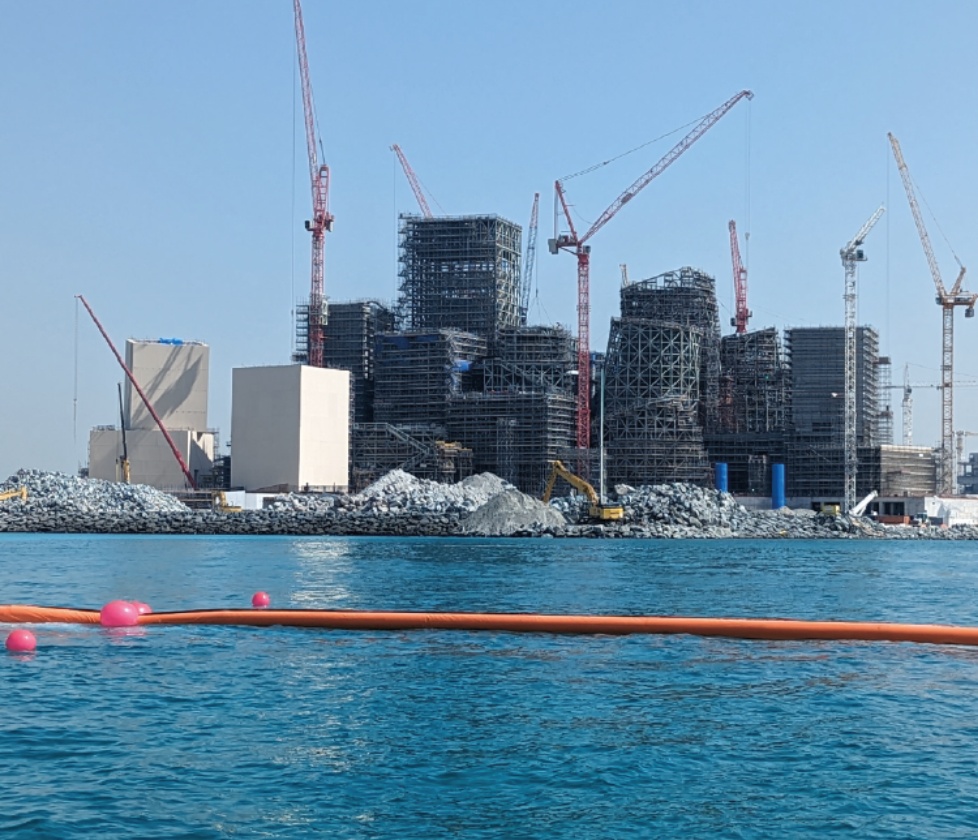
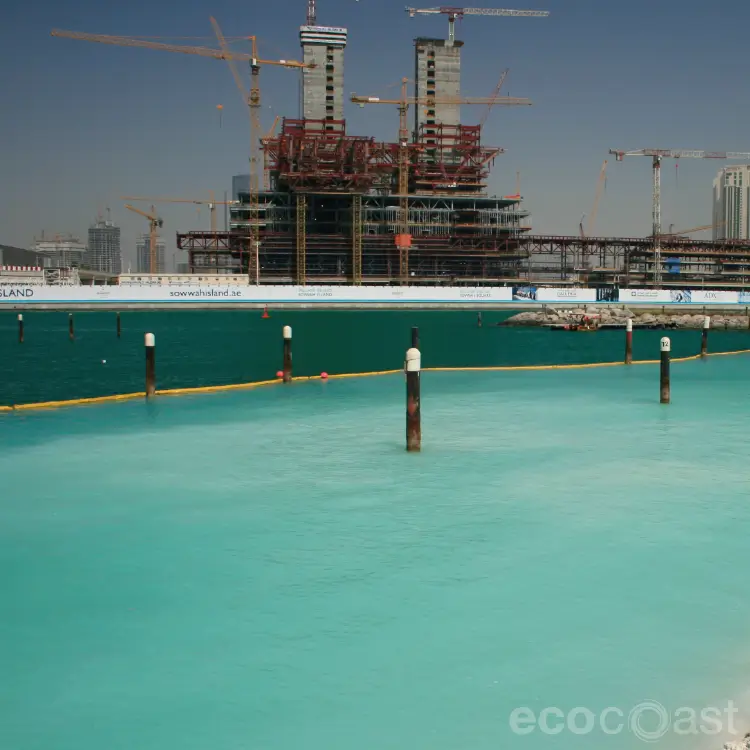
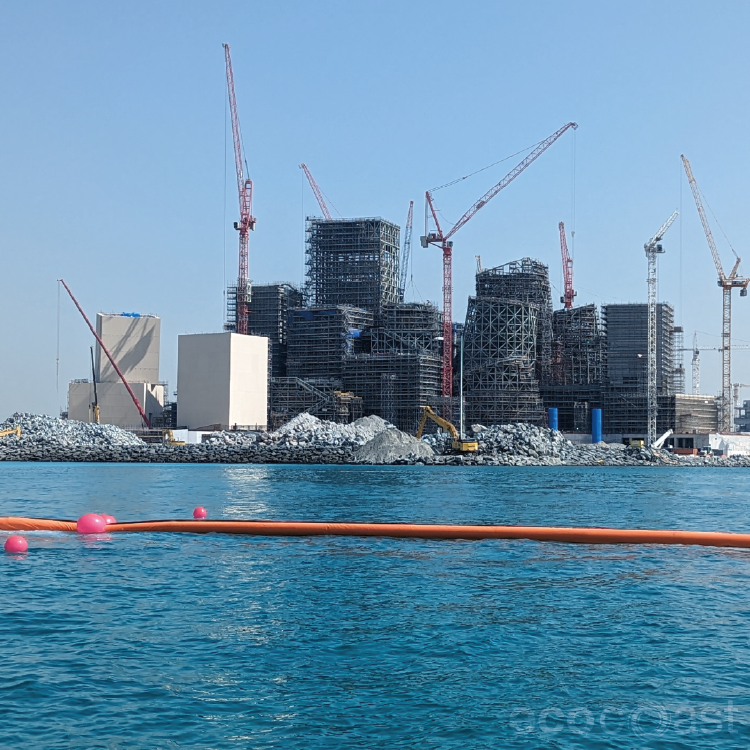
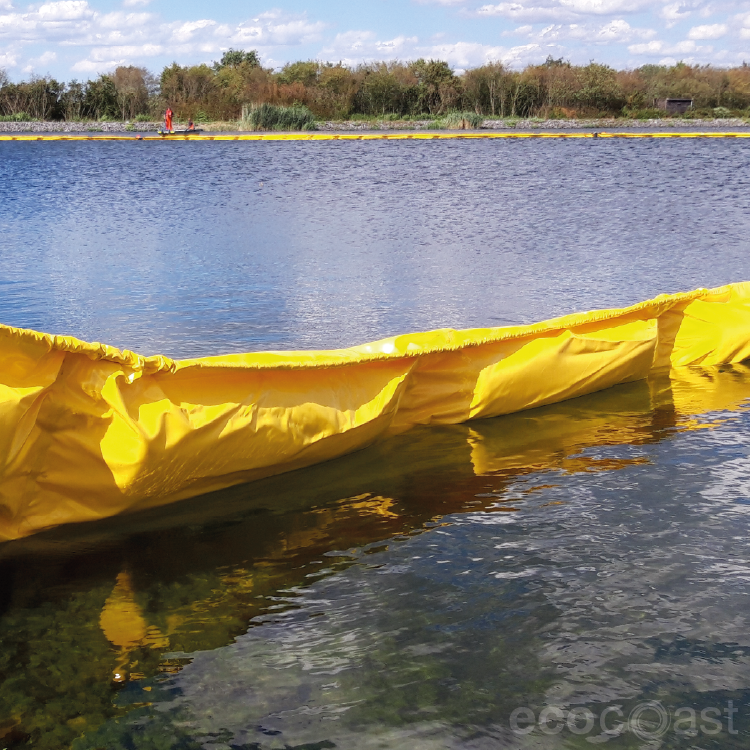
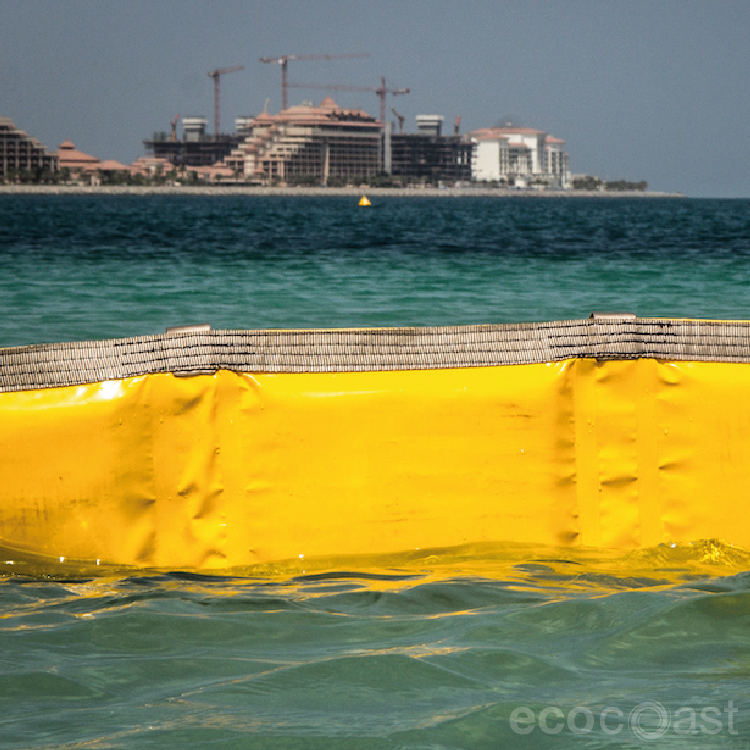
Ecocoast was the first manufacturer of the full range of silt curtains in the EMEA region. The Ecobarrier Silt Curtain range is always customized to suit specific conditions and project requirements.
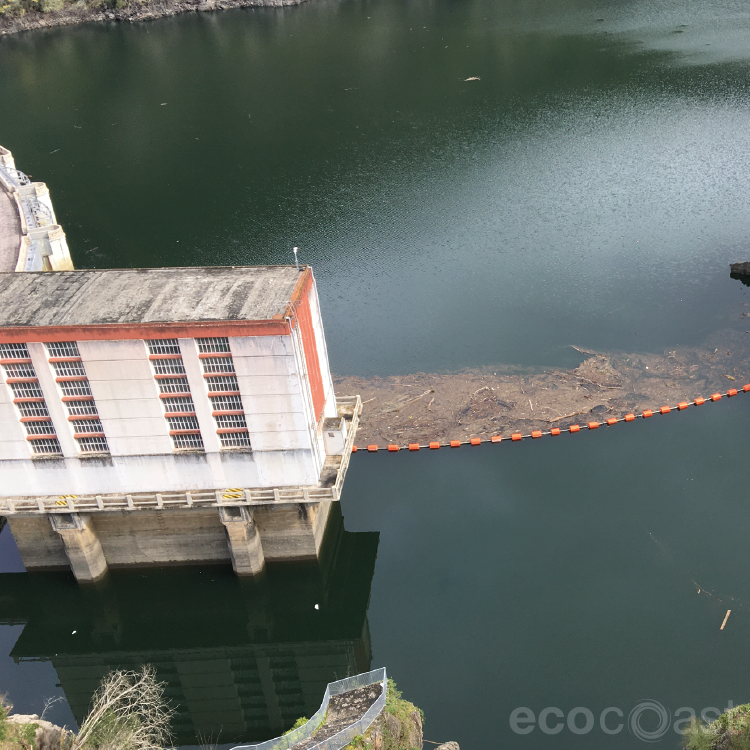
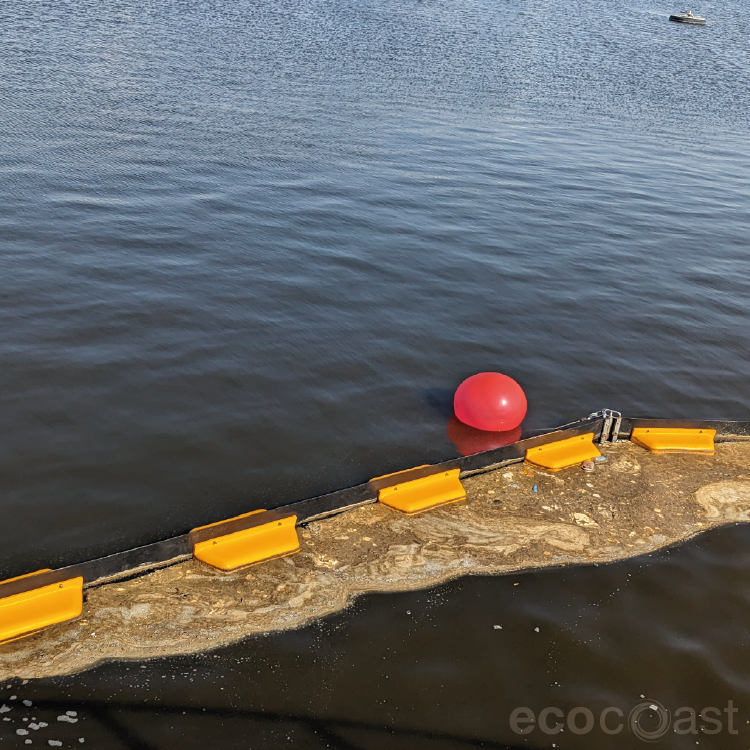
This range of debris booms is the perfect choice for projects of any size. With their durable design and reliable performance, you can trust these booms to protect your project's investments.
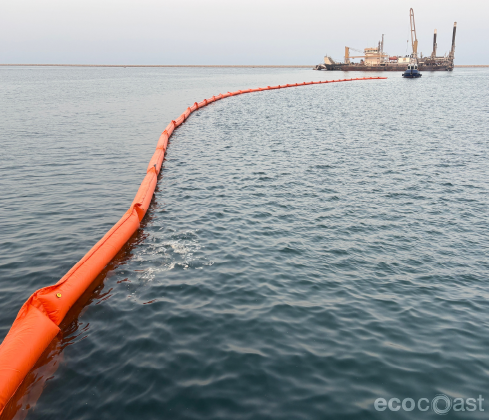
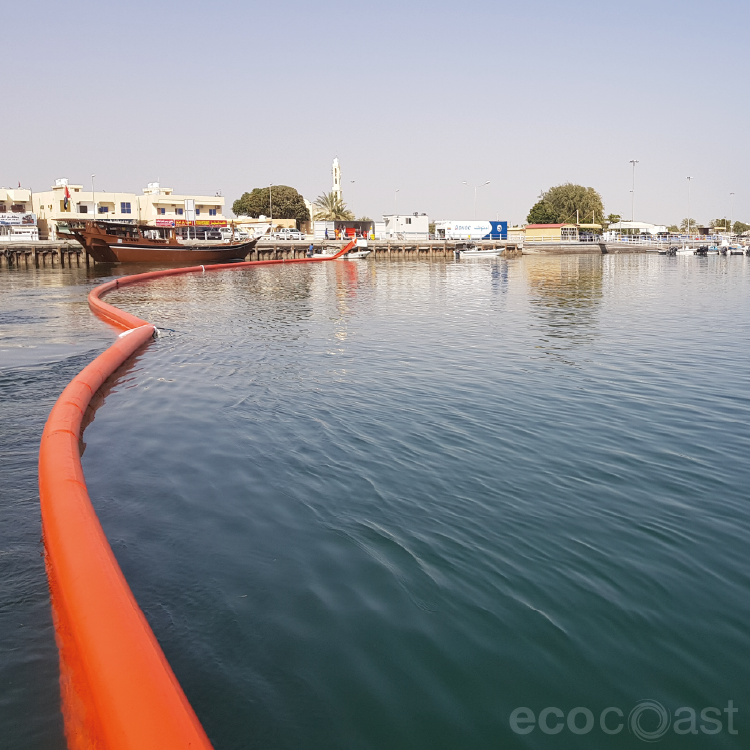
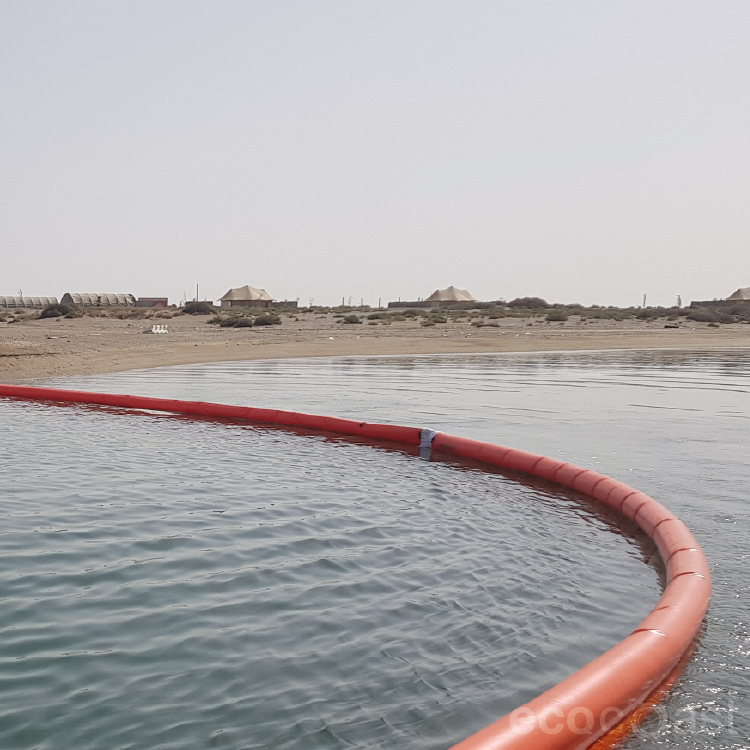
If you are looking to ensure full marine protection during an oil spill - trust in our oil boom range to get it done.
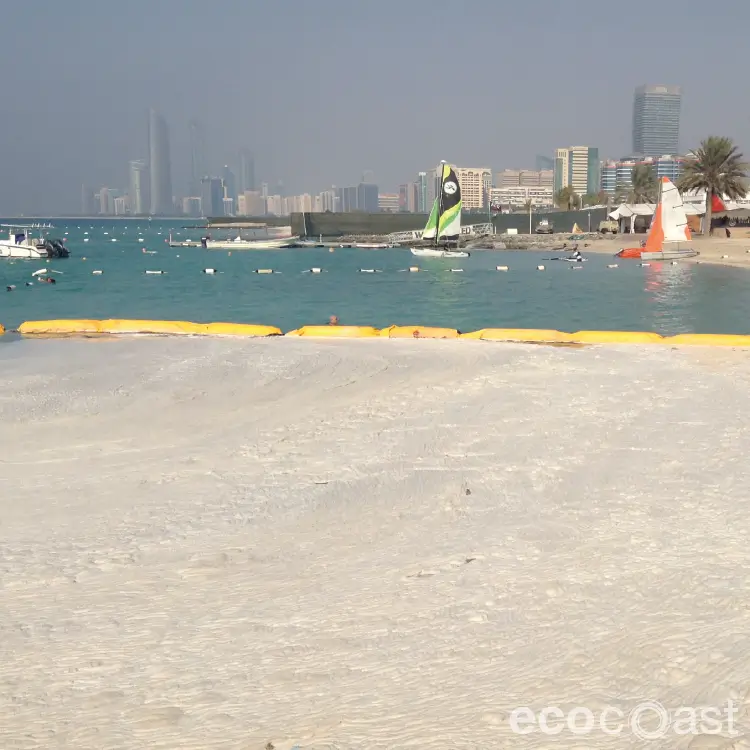
Introducing Ecobarrier Foam Containment Booms – your ultimate solution for blocking and capturing large volumes of surface foam during construction.
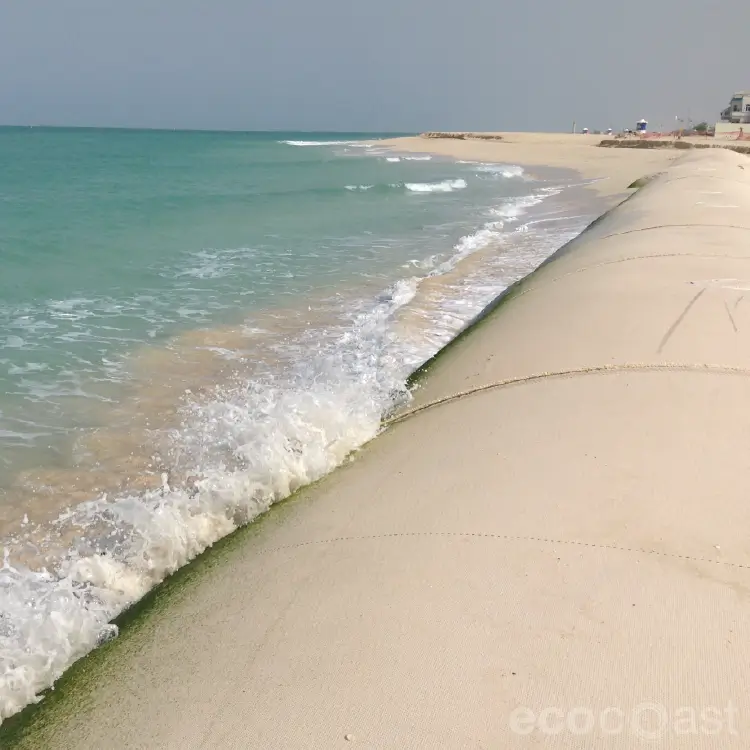
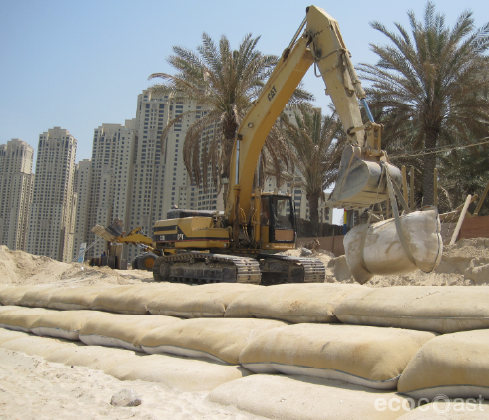
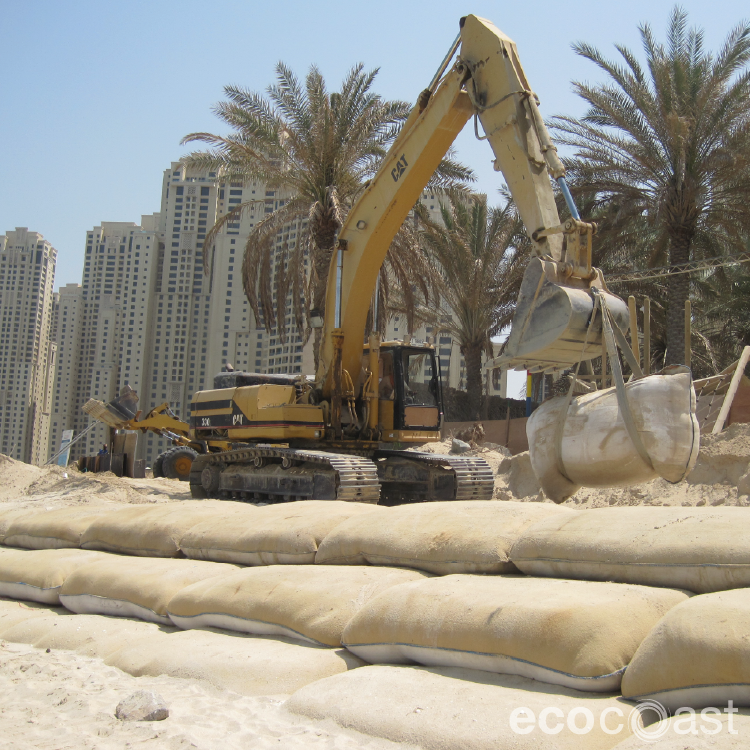
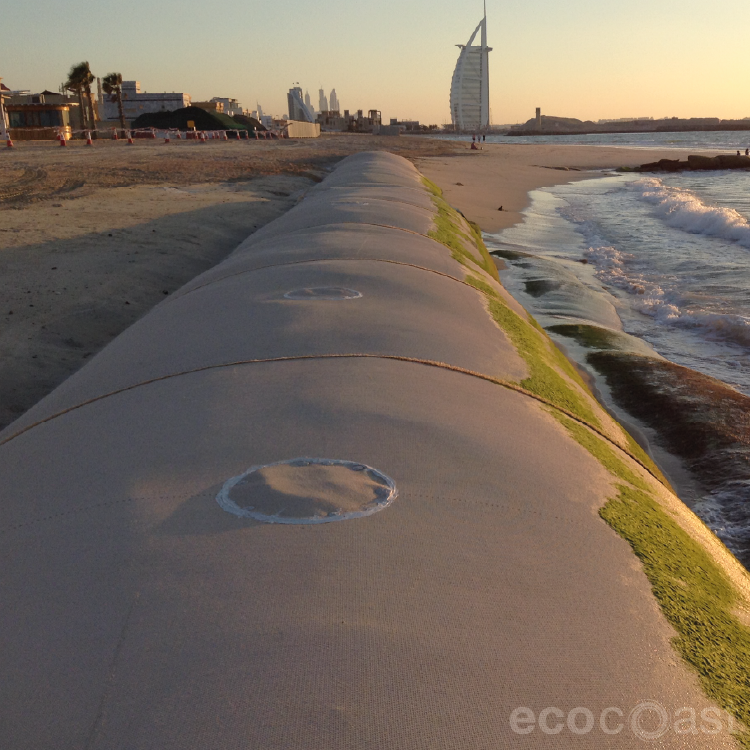
With these coastal protection containers, you can be sure that environmental concerns are at the forefront of our minds, meeting modern standards for sustainability. The range is designed with both flexibility and durability in mind.
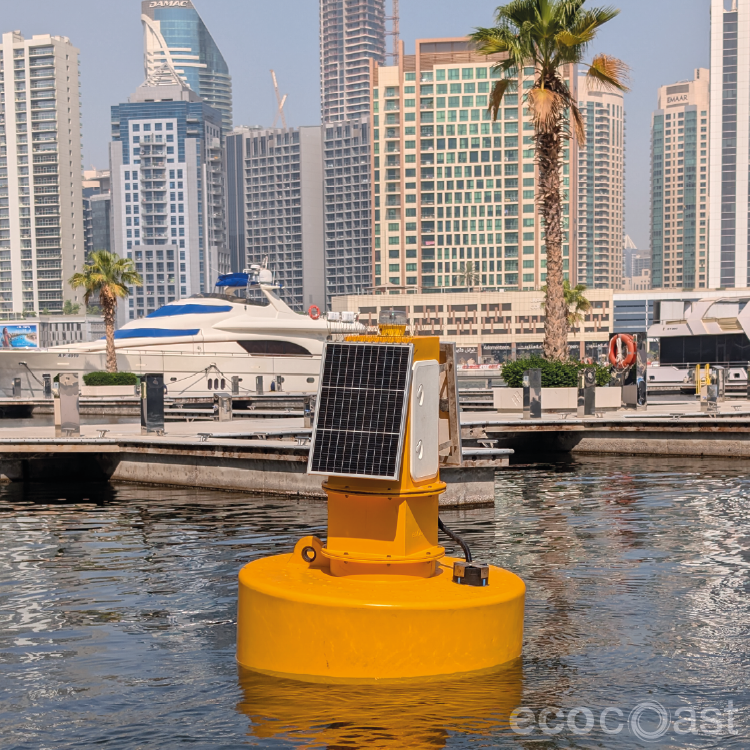
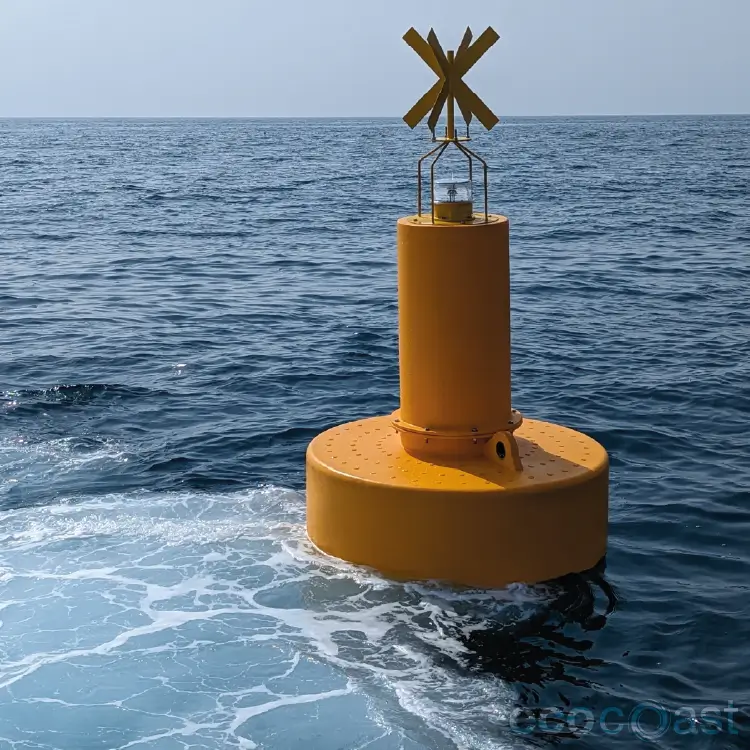
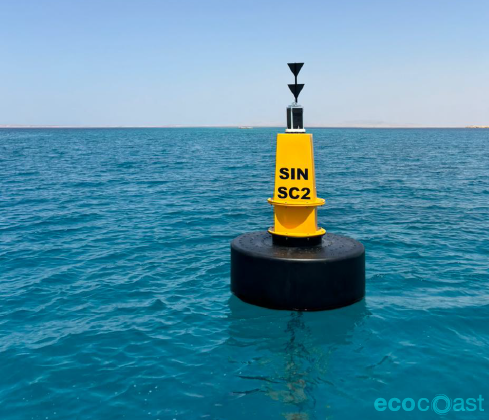
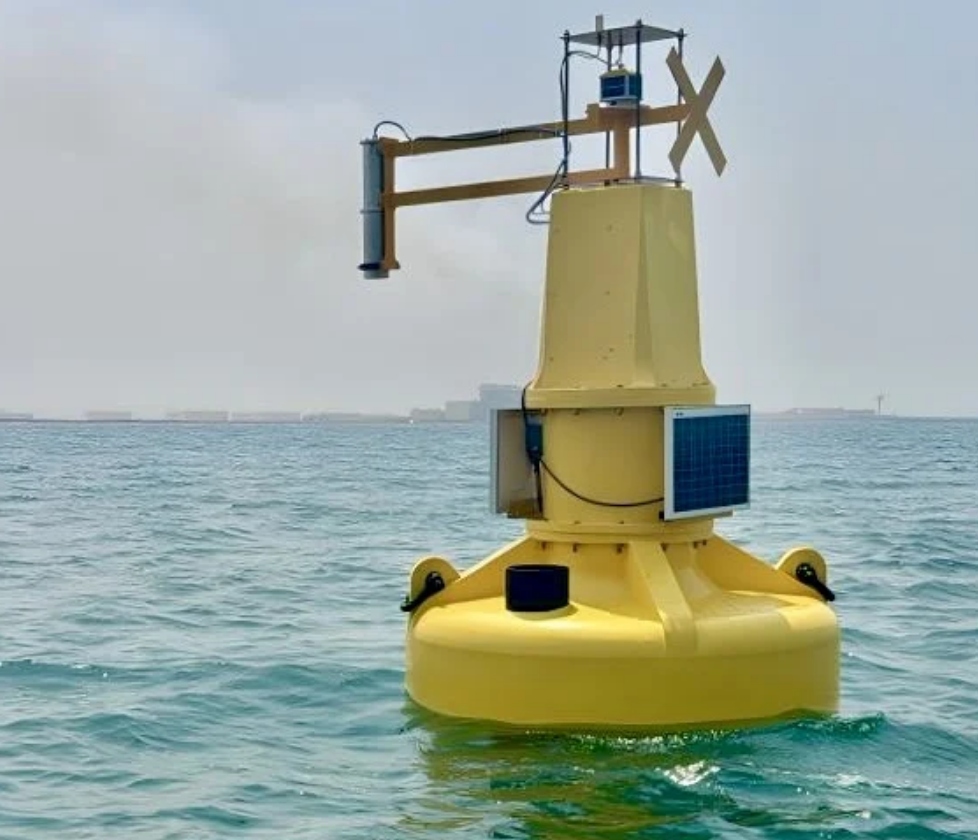
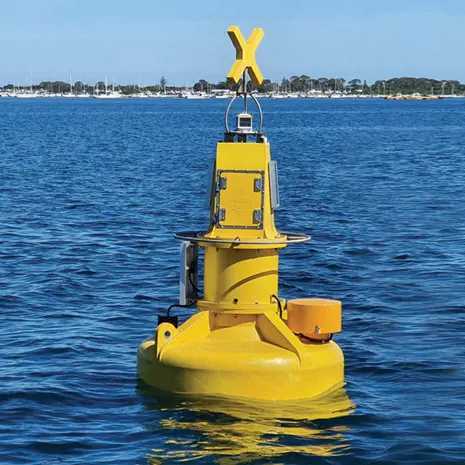
These data buoys are designed to collect and transmit real-time environmental, oceanographic and meteorological data for environmental protection, regulatory compliance, public health, research and operations.
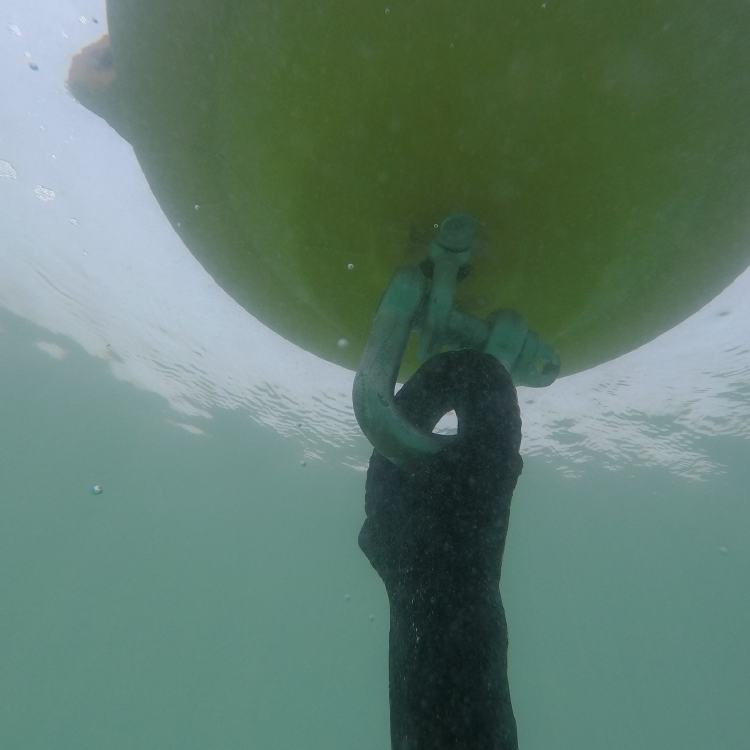
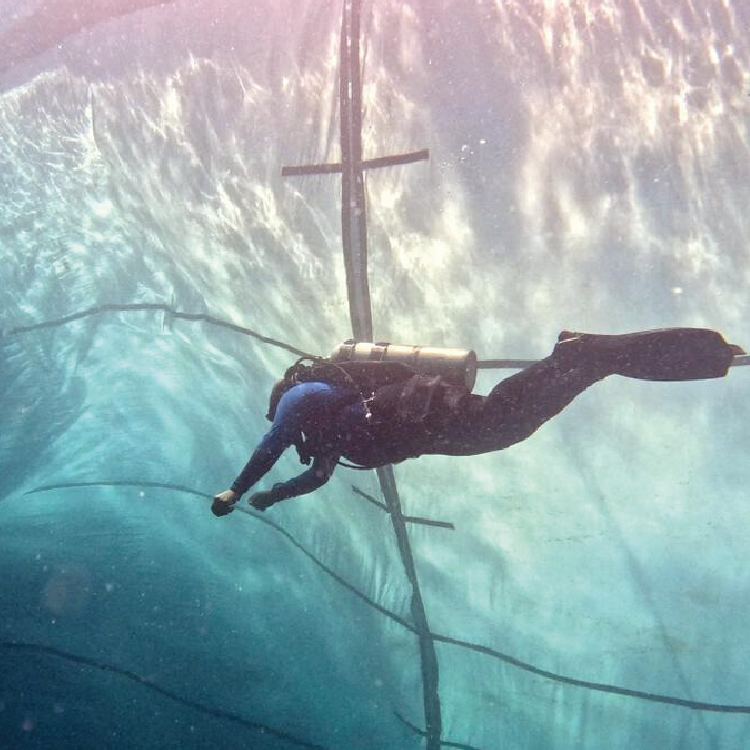
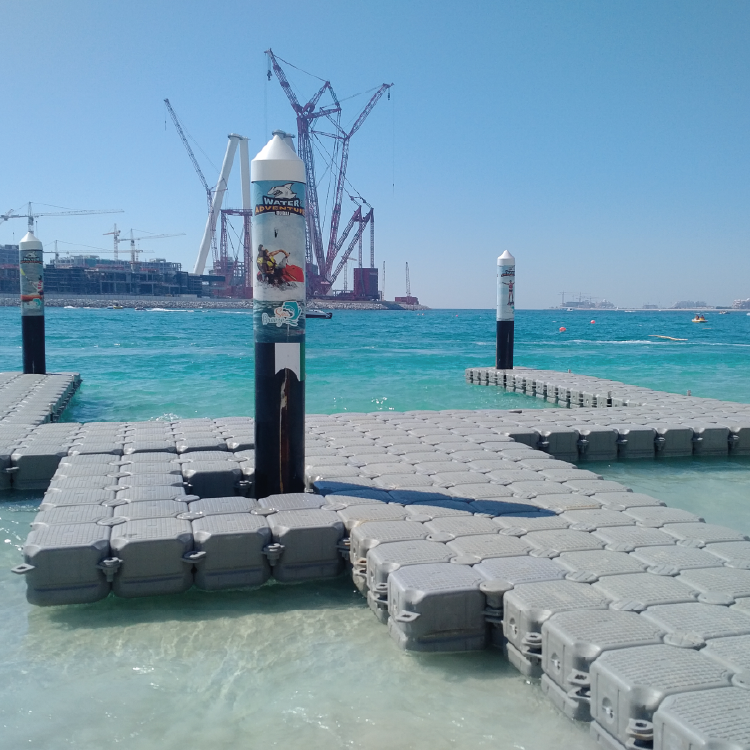
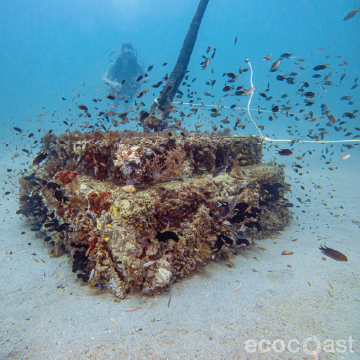
A sustainable mooring solution that supports life below water.
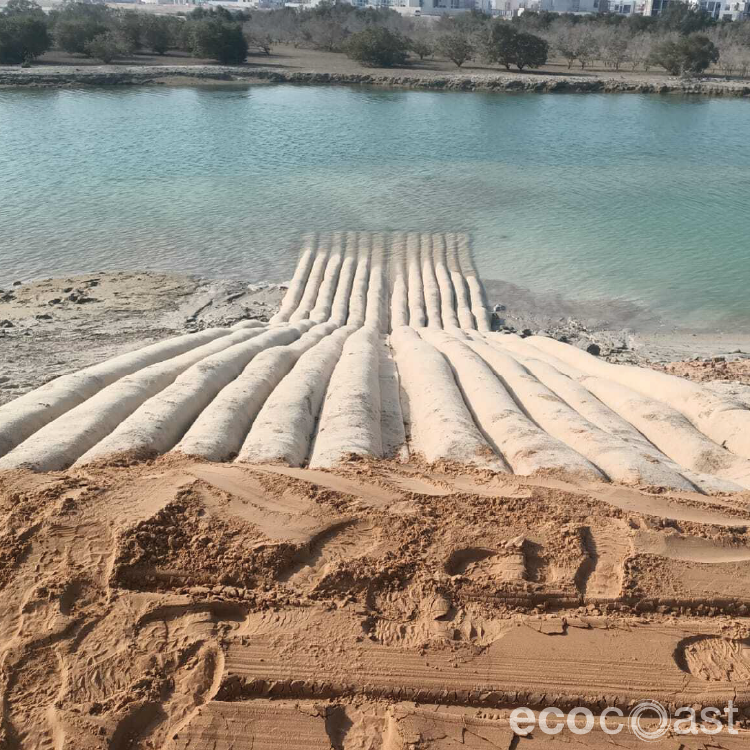
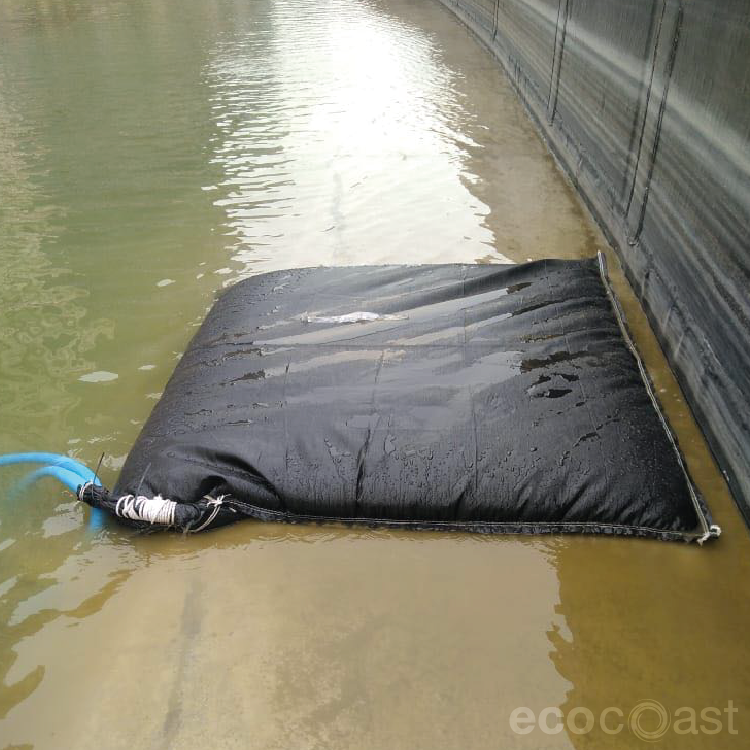
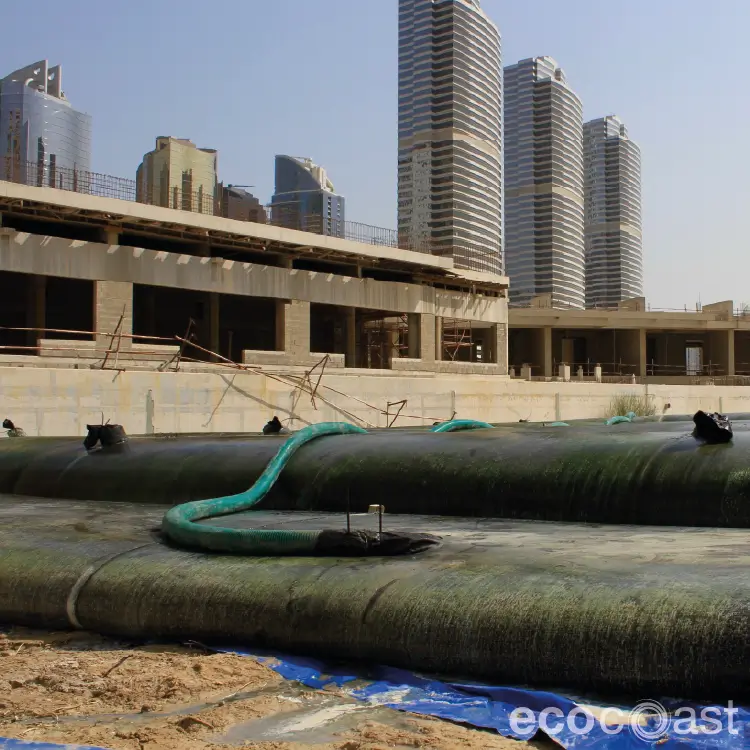
We have developed a simple, effective dewatering solution that has proven its effectiveness in various industries. The dewatering containers are incredibly durable and require minimal maintenance thanks to their superior design features.
Floating booms are versatile barriers widely used across a range of environments to protect water bodies and infrastructure from pollution, debris and other hazards. Here are some of the primary locations and scenarios where floating booms are typically deployed:
Yes, floating booms can be used in fast-flowing or tidal waters, but the right type of boom and proper installation are essential. Specialized booms designed for strong currents and tidal changes, along with secure anchoring and deployment, help maintain effectiveness. Regular monitoring is also important to ensure optimal performance in these challenging conditions.
Our floating booms are engineered for exceptional durability and long-term deployment. Many Bolina booms have been in continuous use in the UK, with some installations still performing effectively after more than two decades in the water. This longevity is due to their robust construction and high-quality materials, which allows the booms to automatically adjust to changing water levels and withstand demanding environmental conditions.
Routine inspections and minimal maintenance help maximize their service life, but in many cases, Bolina booms require little to no maintenance even during long-term deployment. Their proven track record in challenging environments, including harsh winters and high-flow rivers, demonstrates why Bolina booms are a trusted choice for permanent waterway protection in the UK and worldwide.
In the Nuneham Viaduct Project, the floating booms were anchored using 2.5-ton concrete blocks. This robust method provided the necessary stability to keep the booms securely in place, even against strong river currents and potential collisions with boats or barges.
The most effective interception points sit upstream – river mouths, marina entrances and stormwater outfalls – where debris is still concentrated and hasn't yet spread into open water. Once plastic reaches the open ocean, recovery becomes far more difficult and expensive.
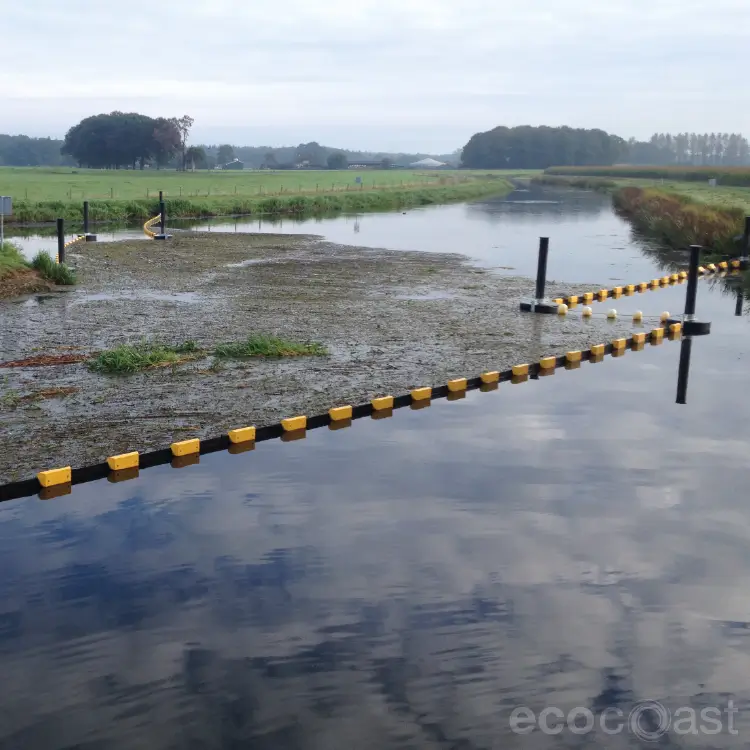
Debris booms hold a floating barrier across a waterway choke point. Water passes through while the barrier traps floating waste for collection. Effective designs combine surface containment with subsurface capture, so debris cannot slip underneath.
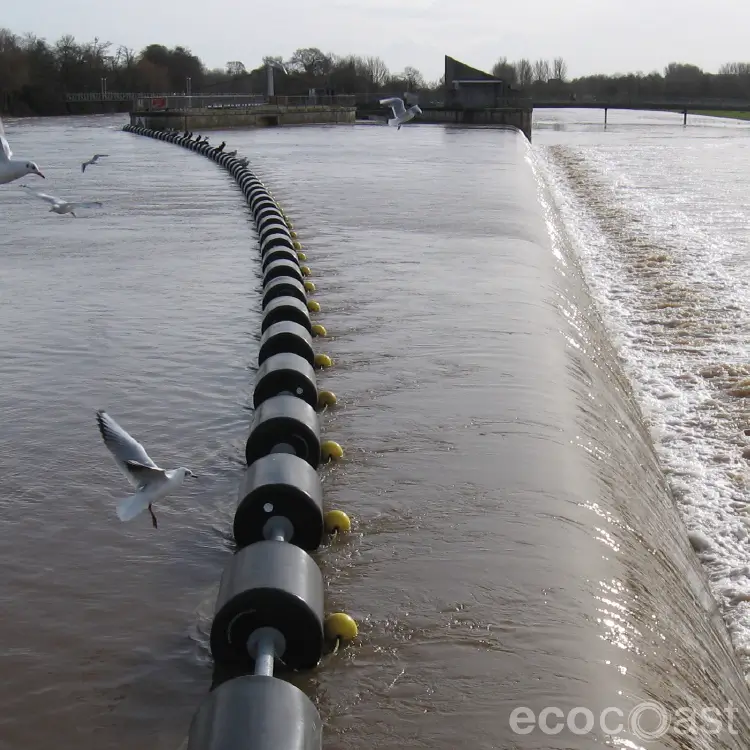
A flush-faced debris boom uses a continuous curtain with no gap at the surface or below the waterline, unlike conventional float-and-skirt designs. It intercepts debris both above and below the water's surface, then self-clears to a collection point or spillway. The design was first introduced by Bolina, a company acquired by Ecocoast in 2020. It has since then been the benchmark in the industry.
Yes. Some debris boom designs, including Bolina Debris Booms, include built-in openings that let watercraft pass through without compromising the barrier's containment function.
Yes. Ecocoast manufactured the screen for The Ocean Cleanup's original System 001. The Ocean Cleanup also used Bolina Permanent Debris Booms in some of its first Interceptor deployments.
Bolina Permanent Debris Booms, part of the Ecocoast range, were used in some of The Ocean Cleanup's first Interceptor deployments in rivers.
Large-scale river interceptor projects typically rely on floating barriers that combine surface flotation with a subsurface screen or skirt. The most effective designs use full-width, flush-faced containment to prevent debris from slipping around or underneath the barrier – the same principle behind Bolina Permanent Debris Booms.
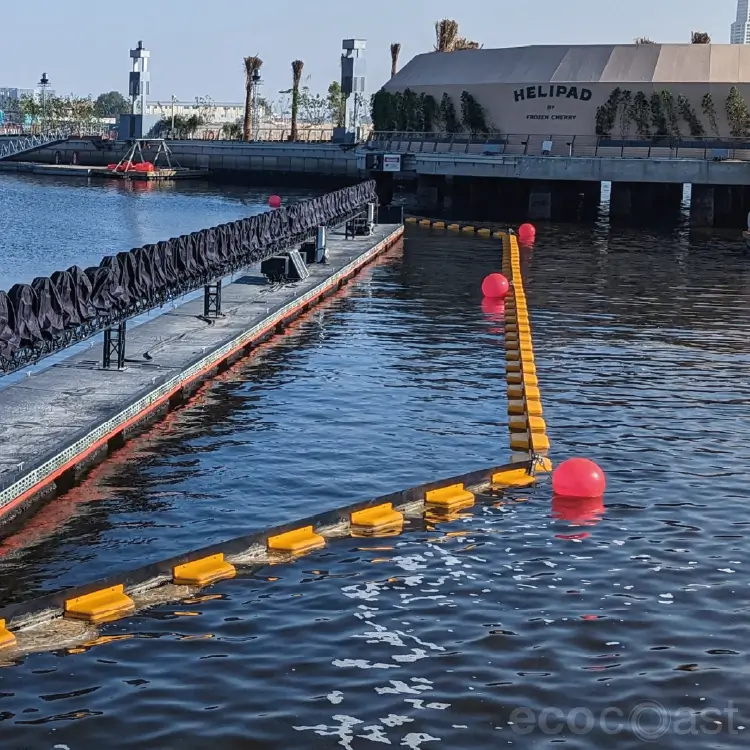
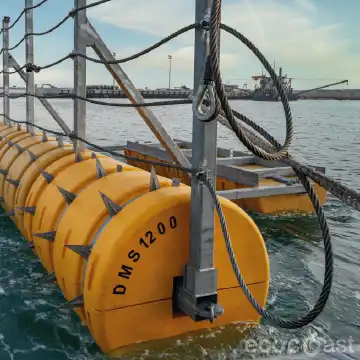
Ecocoast’s Watercraft Safety Booms are designed to protect the public by preventing access to hazardous zones near dams. These systems are especially effective in keeping recreational users, such as boaters, swimmers and paddlers, away from dangerous areas upstream. For example, in the Norwich Dam project, the fully customized Bolina Watercraft Safety Boom CAB400 was chosen for its proven durability and high performance in challenging environments, including fast currents, ice formation and floating debris.
The CAB400 is purpose-built for challenging aquatic environments such as headponds, rivers, and reservoirs upstream of dam structures. These areas may seem calm but often involve hidden dangers like strong subsurface currents, fluctuating water levels, sudden hydraulic drops, seasonal ice loads and floating debris impacts. The CAB400 is designed to perform reliably in all these conditions, making it ideal for public safety around dams.
The CAB400 improves waterway safety by creating a clearly marked physical barrier that guides boaters, swimmers and paddlers away from dangerous zones near dams. Its strategic placement leverages low-flow areas to enhance self-rescue opportunities and minimize exposure to hazardous hydraulics. Built with durable materials, the CAB400 withstands year-round challenges such as ice, strong currents and heavy debris, ensuring reliable protection and reducing the risk of accidents in complex water environments.
Yes. Every Bolina Watercraft Safety Boom is fully customizable to meet the unique needs of each dam project. Customization options include adjustments to boom length, float spacing and alignment to fit site-specific conditions. Additionally, clients can specify colors, branding and signage to ensure the safety barriers integrate with regulatory requirements.
Ecocoast starts with a comprehensive risk assessment to identify critical hazards, such as accidental entry points, hydraulic risks, ice loads and debris impact zones. This detailed evaluation guides the subsequent site survey, helping our marine engineers design an optimal boom alignment and select appropriate specifications. The process ensures the final safety boom layout effectively protects the public while complying with environmental regulations and site-specific conditions.
In addition to custom boom length and alignment, Ecocoast offers a wide range of add-on options for the CAB400, including:
● Safety enhancements: Casualty lifelines, grab handles and warning signage for clear hazard communication and rescue support.
● Marine services: Complete support from assembly and installation to maintenance and recycling at end-of-life.
● Advanced marine engineering: Boomforce software to enable precise simulation of a structure’s response to factors like waves, wind, watercraft impact and similar environmental situations.
● Vessel monitoring: Integration of monitoring systems for real-time safety oversight and incident response.
Safety Booms are anchored using reliable, site-specific mooring solutions to ensure maximum security and effectiveness in all water conditions. Standard mooring methods include shore anchoring, where the boom ends are fixed to strong land-based structures using galvanized shackles and wire ropes. Another method is in-water anchoring using buoyed lines attached to robust seabed anchors like Danforth or pyramid anchors. For long or high-flow installations, intermediate anchor points and chains provide extra stability.
These mooring solutions are designed for durability, corrosion resistance and adaptation to factors like current, wind, and water level changes. Our anchoring systems are trusted for dams, rivers, reservoirs and industrial sites, delivering safety and reliable performance wherever they’re installed.
Ecocoast has partnered with Ichthion in Ecuador, Noria in the Netherlands, Cefas and NARA in Sri Lanka, DEME in Belgium, and The Ocean Cleanup across river and ocean deployments including Indonesia.
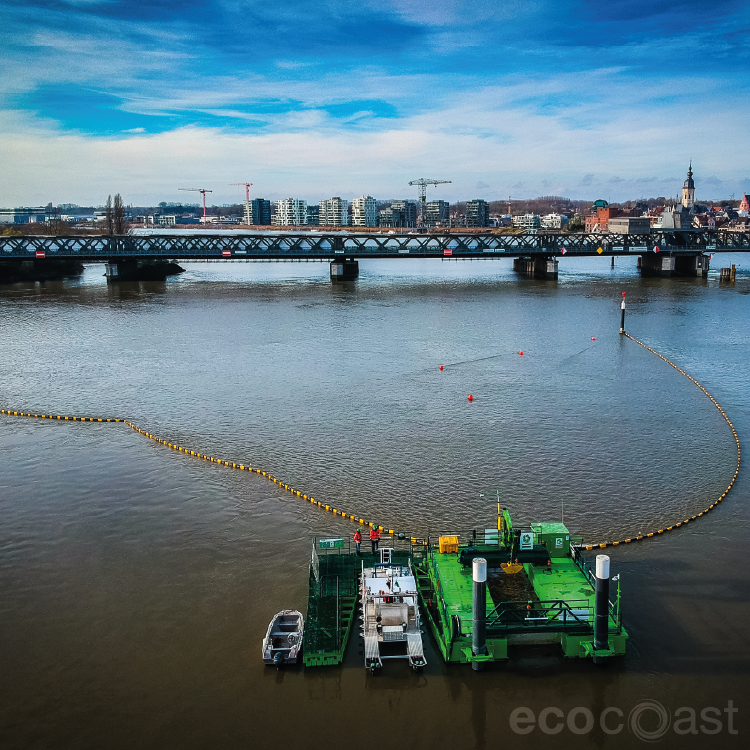
Ecocoast engineered Europe's longest floating debris barrier on the Scheldt River in Belgium, in partnership with DEME. It captures 218 kilograms of plastic and debris daily.
Yes. Ecocoast manufactured the screen for The Ocean Cleanup's original System 001, and Bolina Permanent Debris Booms were used in some of its first Interceptor deployments, including early sites in Indonesia.
Some designs, like the boom supporting Ichthion's Azure system in Ecuador, use a porous structure and set target depth that allows fluvial fauna to pass underneath, while still trapping floating waste, including small items like cigarette filters and bottle tops.
Each river or waterway presents different conditions: tidal range, current speed, debris volume, wildlife sensitivity and boat traffic. Effective debris control adapts the same core engineering principles, full containment and durability, to the specific demands of each site.
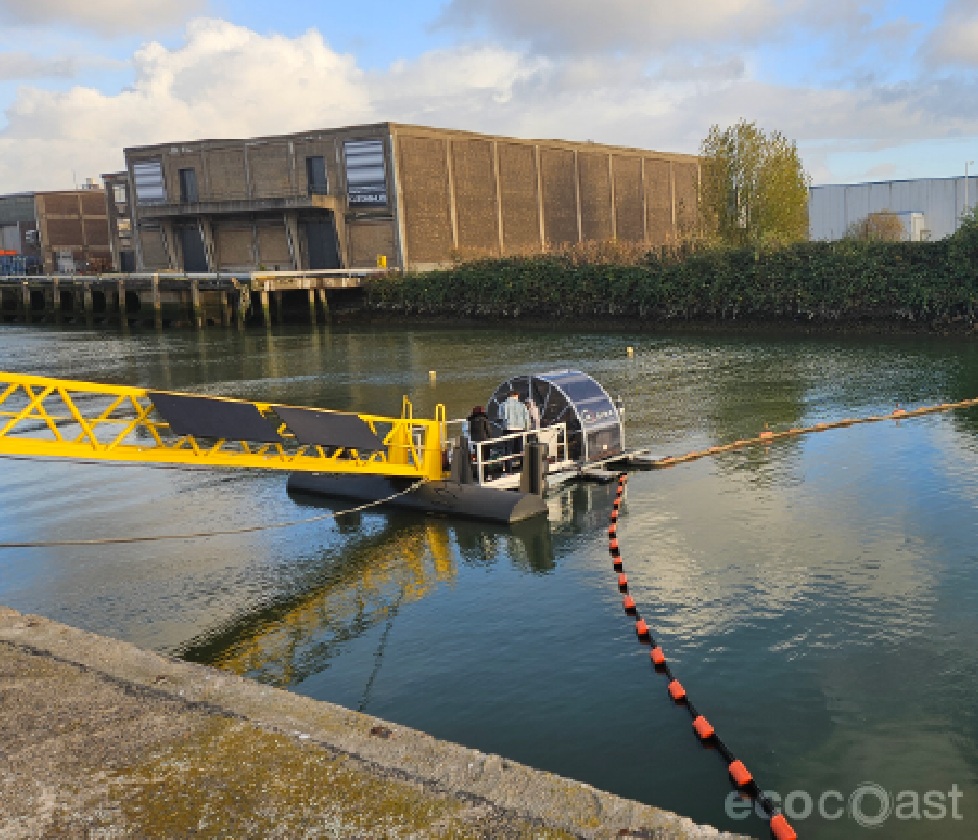
Ichthion used the Bolina Permanent Debris Boom alongside its own Azure system, a mobile conveyor belt, on the Portoviejo River.
The boom's porous design prevents a pressure imbalance between upstream and downstream water flow, while its pore size and density still trap small waste items like cigarette filters and bottle tops.
The boom's target depth allows fluvial fauna to pass underneath, minimizing the number of organisms caught in the barrier.
The main challenges involved unfamiliarity with the product and extreme fluctuations in river depth – as much as 4 meters within days, compared to a historical estimate of 2 meters between seasons. Close coordination between the Ichthion and Ecocoast teams resolved these issues.
The River Maas in the Netherlands supports commercial and recreational activities, but it also features weirs, check dams and locks that present safety risks, especially during high water, low visibility or mechanical failure. Safety booms act as a protective barrier, preventing vessels and people from entering these hazardous zones. They help reduce the risk of capsizing, entrapment and collisions. These booms are essential for protecting both the public and critical infrastructure.
Bolina Watercraft Safety Booms are installed at strategic points along the River Maas, from Maastricht to Arnhem. Their main role is to guide vessels safely through designated navigation routes. They create a clear visual and physical boundary, directing traffic toward locks and away from hazardous structures like weirs and dams. If a vessel drifts off course, the boom acts as a protective buffer, helping to prevent serious incidents and improving overall navigation safety.
Bolina safety booms are engineered for long-term use in demanding conditions. Each boom includes a central steel tube for structural strength and a certified 40-tonne steel chain for secure anchoring. The floats are filled with closed-cell foam, ensuring they remain buoyant and functional even under strong current and high pressure. This robust design delivers year-round reliability and safety performance.
Yes, Bolina safety booms are built with a tamper-resistant design. Their robust construction prevents manual lifting or interference, ensuring that the booms cannot easily be moved or disabled without authorization. Steel tubes between the floats feature integrated grab handles and lifelines for safety, all securely fixed to prevent tampering. This tamper-resistant design helps maintain the integrity of the barrier system and ensures consistent performance in all environmental conditions.
Bolina safety booms are highly durable, but are not intended to absorb direct impacts from large, heavily loaded barges under extreme river conditions. However, in real-world scenarios – such as a high-water event in October 2024 – a boom successfully slowed a drifting barge, reducing the severity of the incident. While some damage occurred, the boom played a critical role in minimizing impact and enhancing safety.
Safety booms require regular inspections and maintenance, especially after extreme weather or high-water events. Ecocoast provides comprehensive support, including routine inspection, preventative maintenance, and rapid response services to ensure continued performance and protection of waterways.