Ready to green your grey infrastructure? Discover Ecoreef →
1,333,018 Meters OF MARINE BARRIERS AND COUNTING  LIVE
LIVE
Solutions for marine pollution control, coastal and shoreline protection to effectively address environmental concerns.
View All Products
Solutions for the protection of critical infrastructure and other high-security areas.
View All Products
End-to-end solutions for environmental protection, safety and security applications that protect, monitor and regenerate marine environments.
View All Solutions
End-to-end marine and engineering services designed to ensure high-performing projects.
View All Services
Industry-focused expertise delivering proven solutions for coastlines and waterways, from initial concept to long-term operation and protection.
View All Industries

Solutions for marine pollution control, coastal and shoreline protection to effectively address environmental concerns.
View All Products
Solutions for the protection of critical infrastructure and other high-security areas.
View All Products
End-to-end solutions for environmental protection, safety and security applications that protect, monitor and regenerate marine environments.
View All Solutions
End-to-end marine and engineering services designed to ensure high-performing projects.
View All Services
Industry-focused expertise delivering proven solutions for coastlines and waterways, from initial concept to long-term operation and protection.
View All Industries


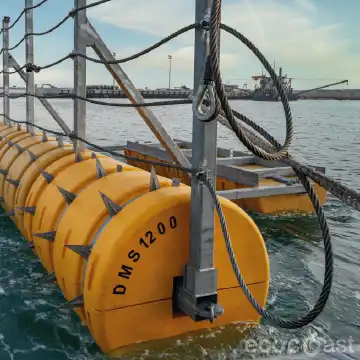
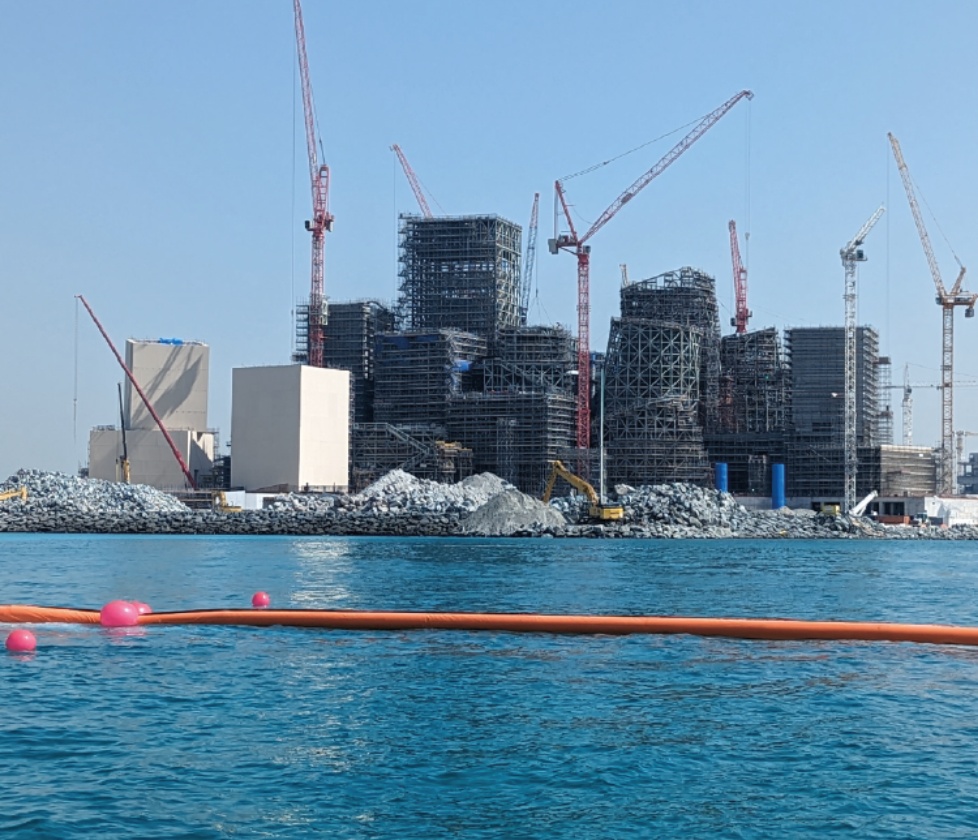
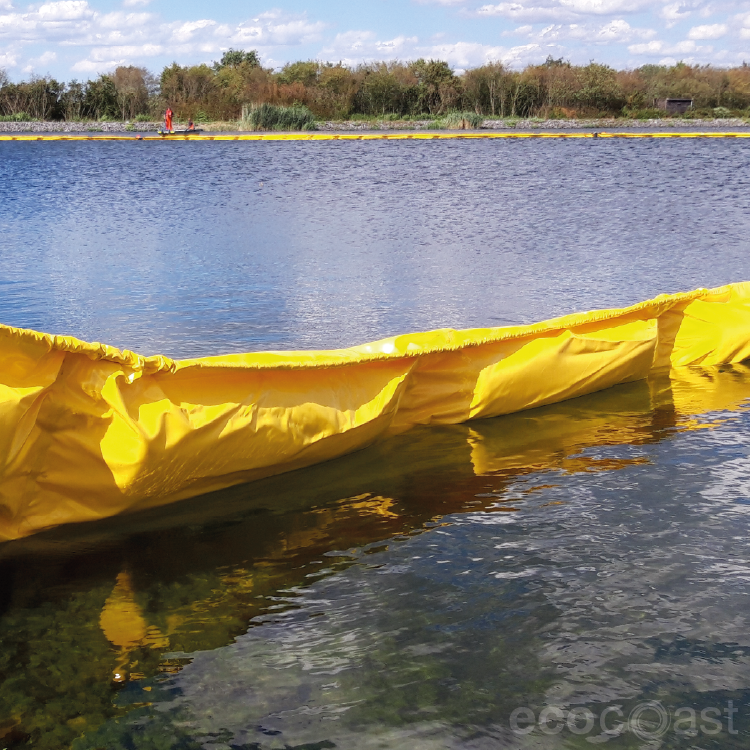
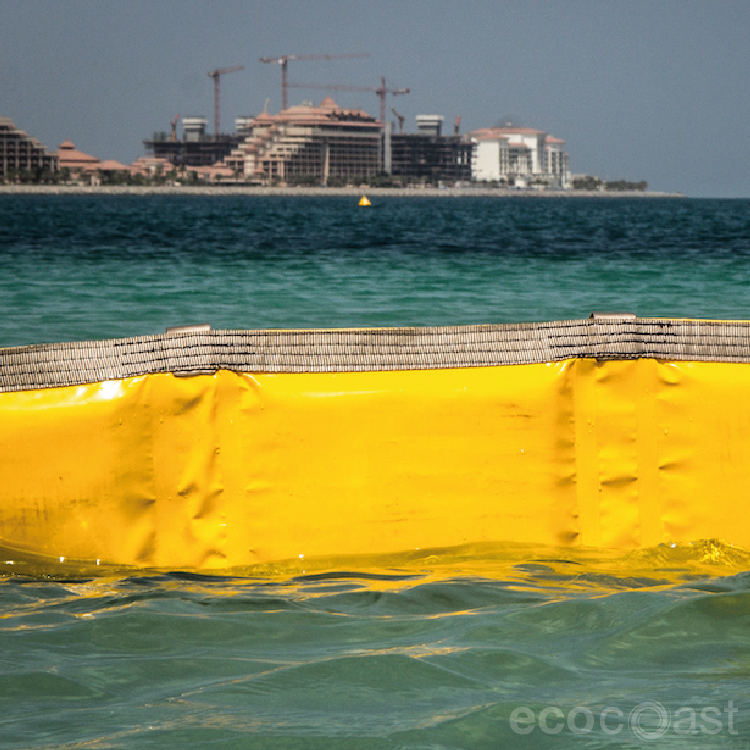
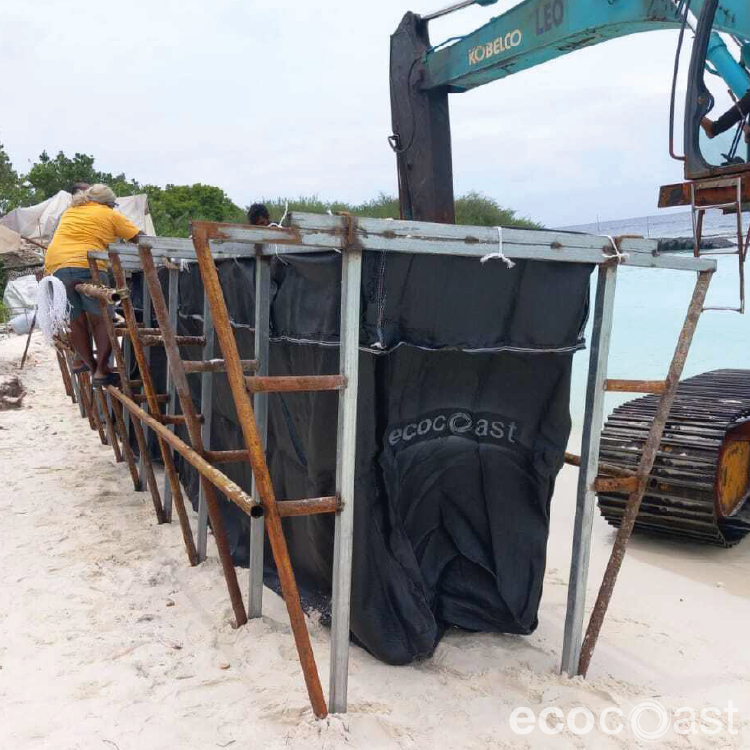
Ecocoast was the first manufacturer of the full range of silt curtains in the EMEA region. The Ecobarrier Silt Curtain range is always customized to suit specific conditions and project requirements.
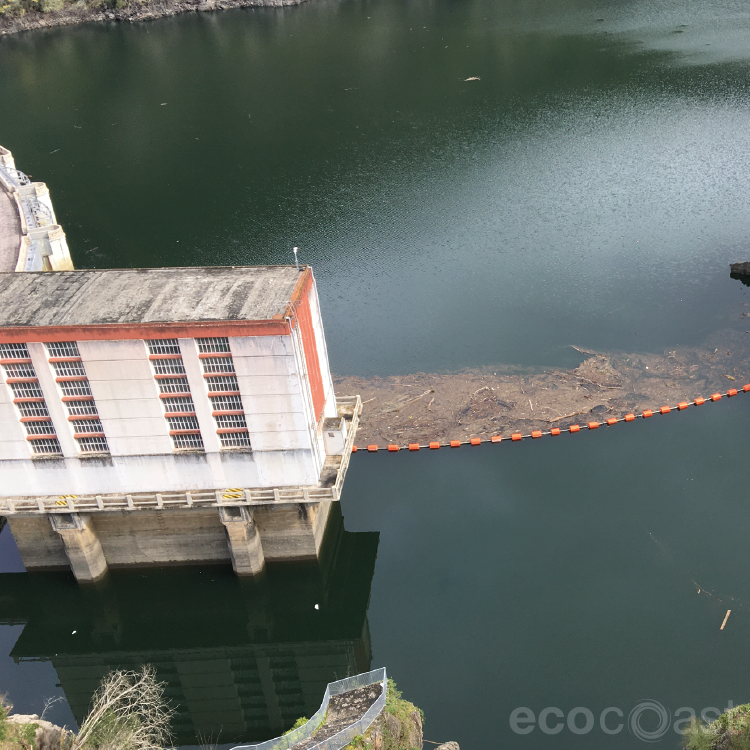
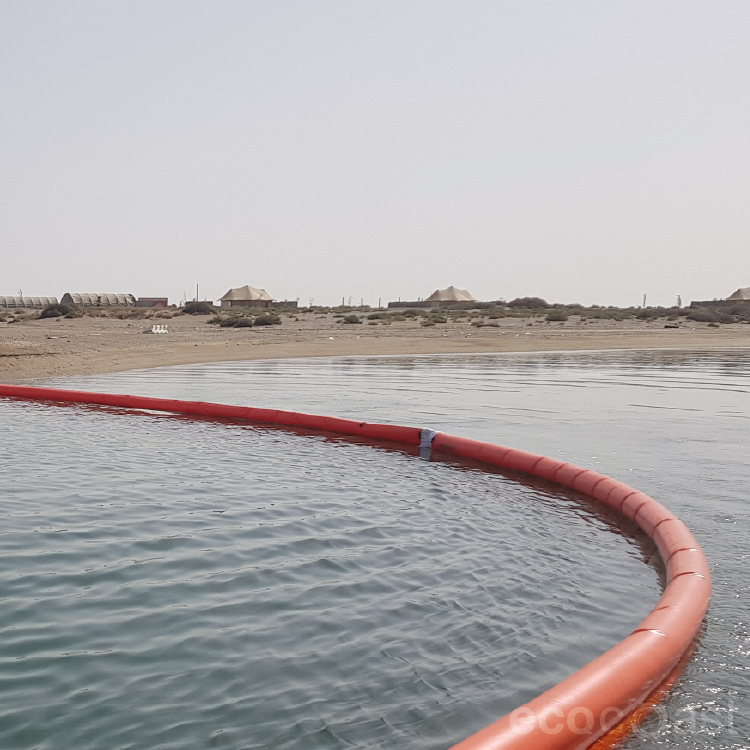
This range of debris booms is the perfect choice for projects of any size. With their durable design and reliable performance, you can trust these booms to protect your project's investments.
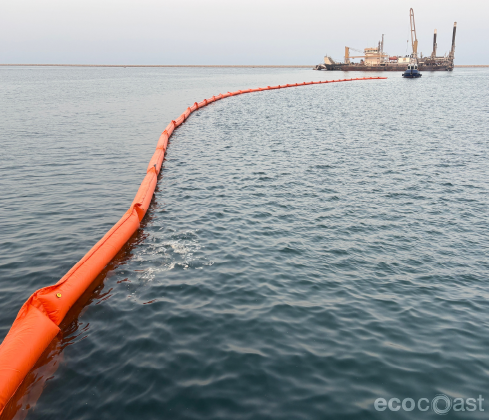
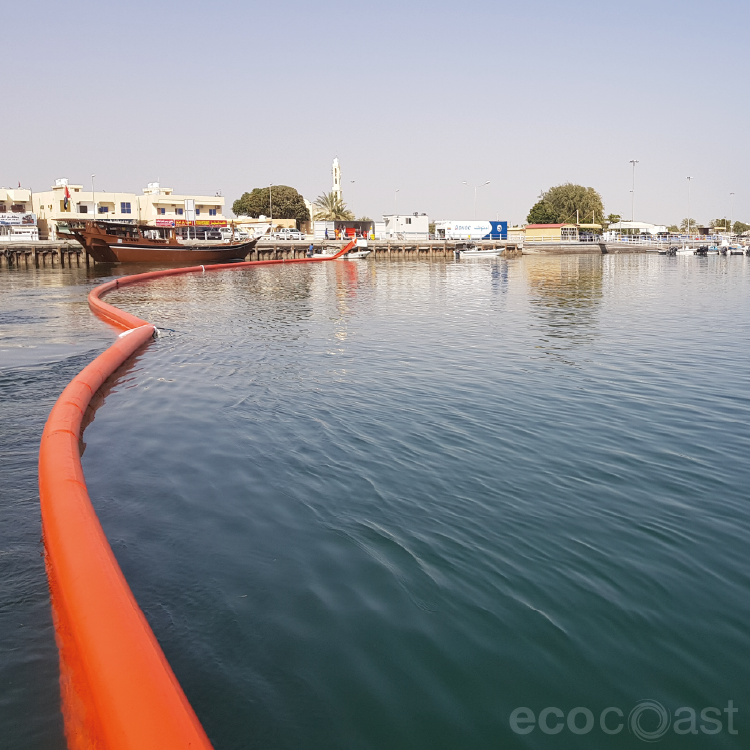
If you are looking to ensure full marine protection during an oil spill - trust in our oil boom range to get it done.
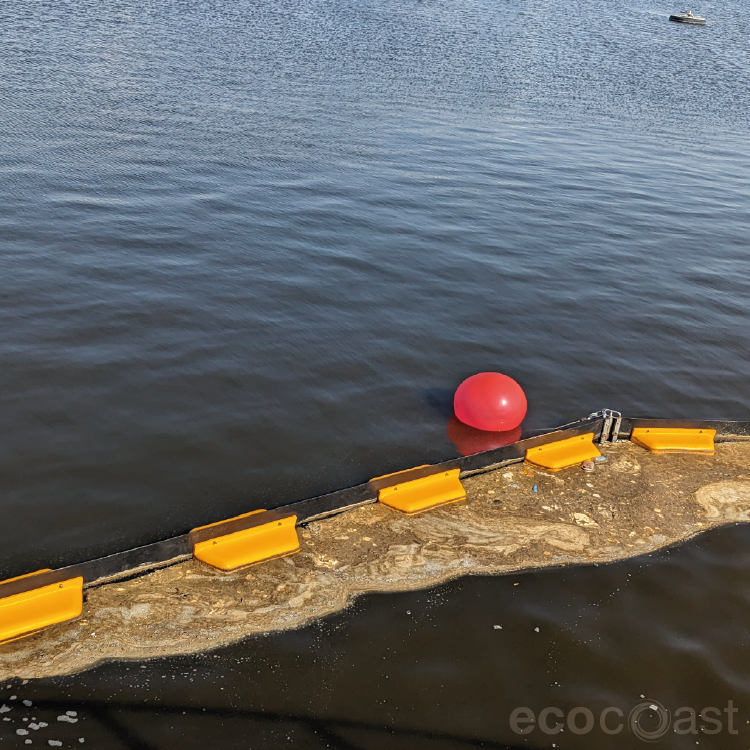
Introducing Ecobarrier Foam Containment Booms – your ultimate solution for blocking and capturing large volumes of surface foam during construction.
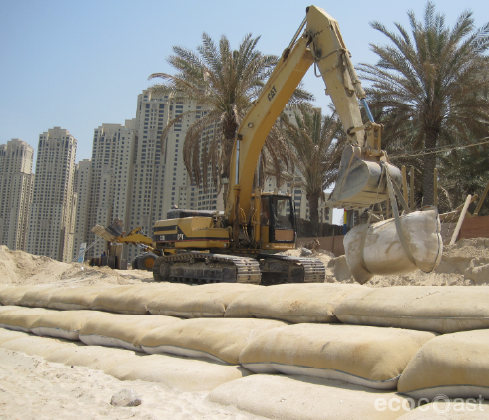
With these coastal protection containers, you can be sure that environmental concerns are at the forefront of our minds, meeting modern standards for sustainability. The range is designed with both flexibility and durability in mind.
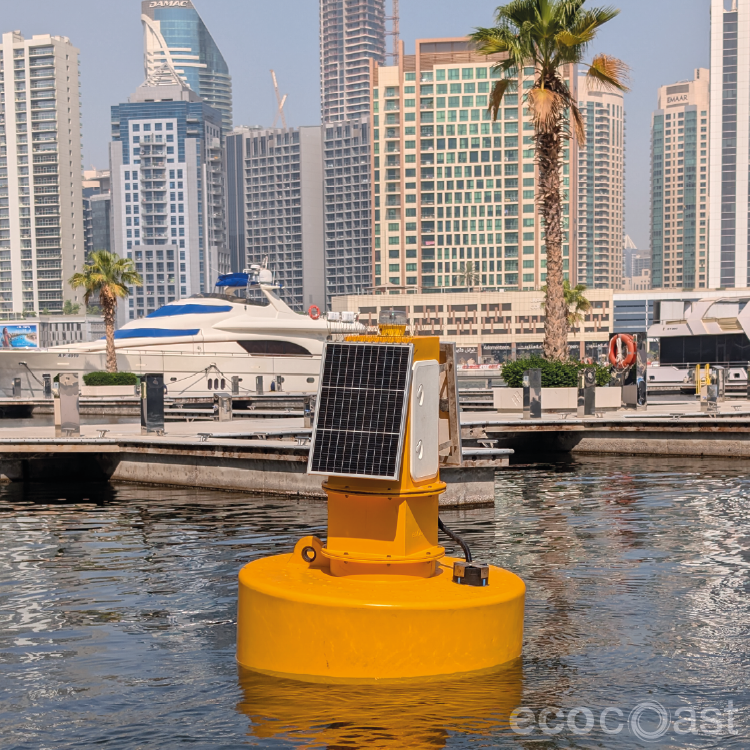
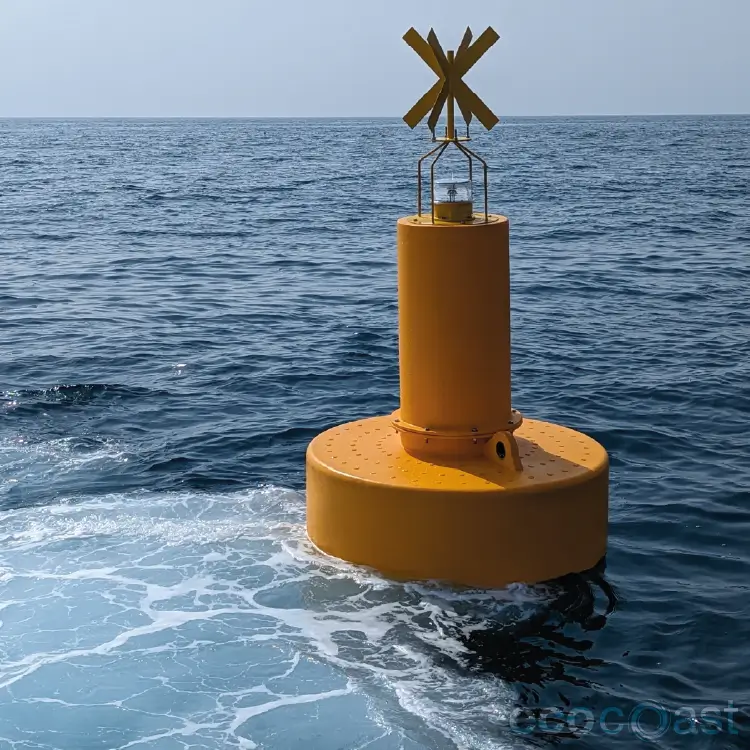
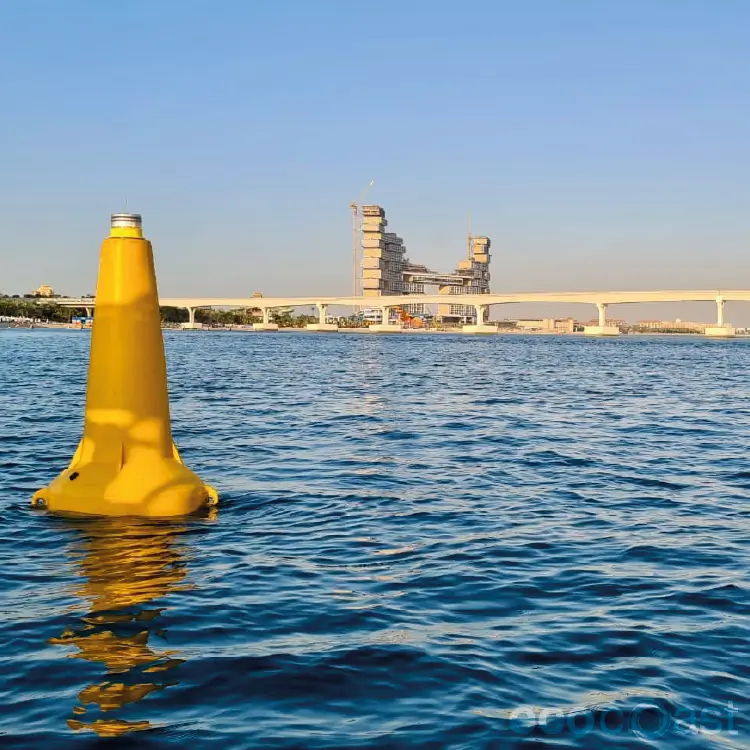
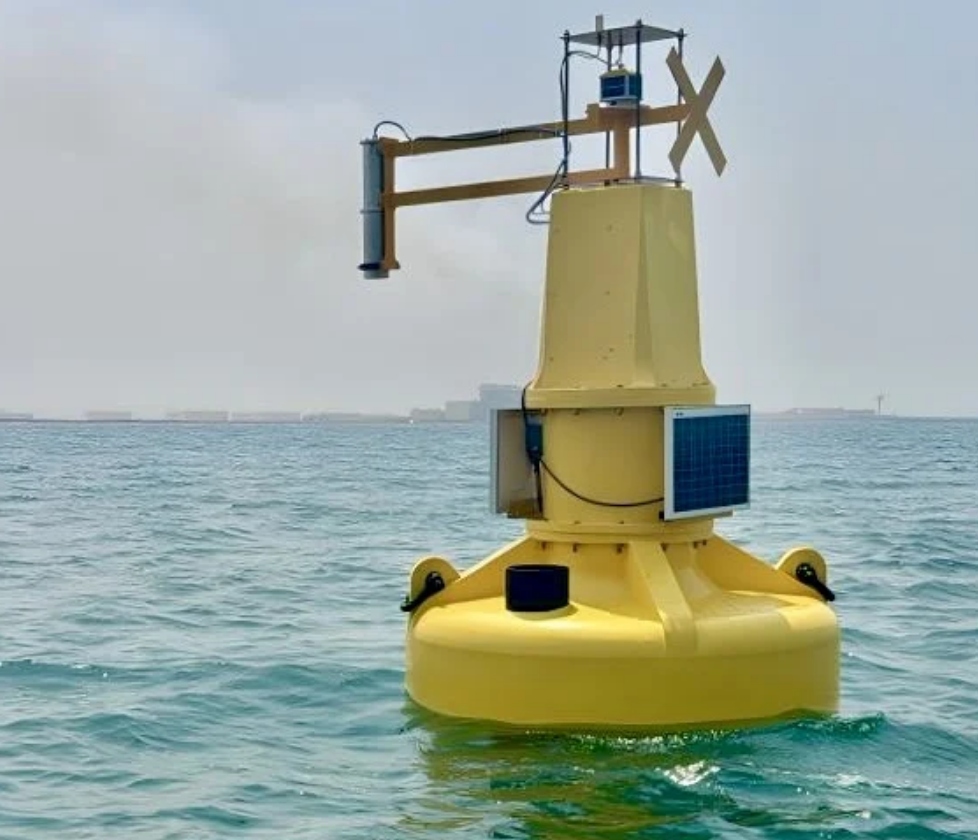
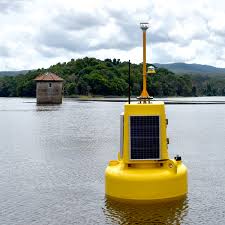
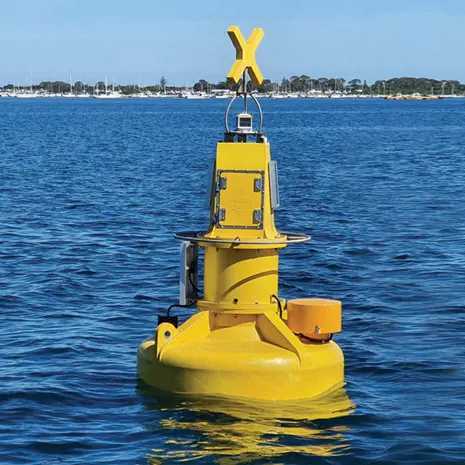
These data buoys are designed to collect and transmit real-time environmental, oceanographic and meteorological data for environmental protection, regulatory compliance, public health, research and operations.
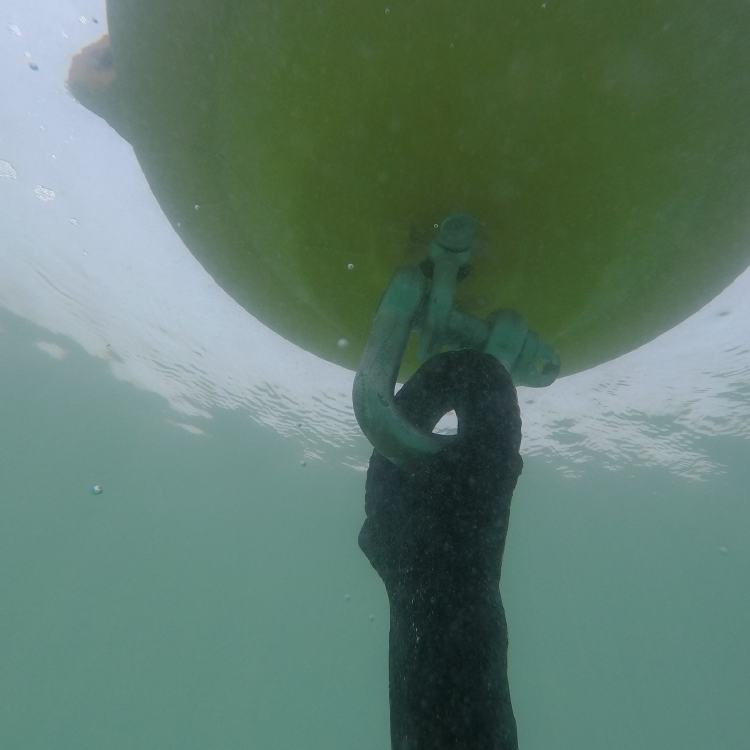
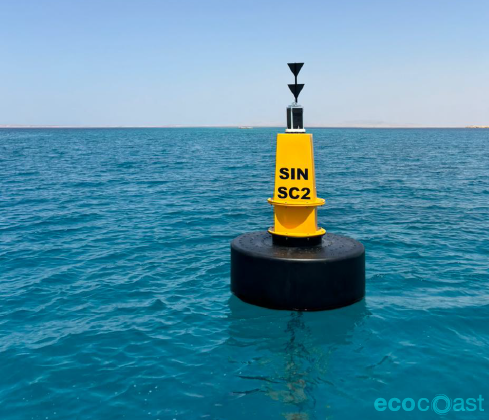
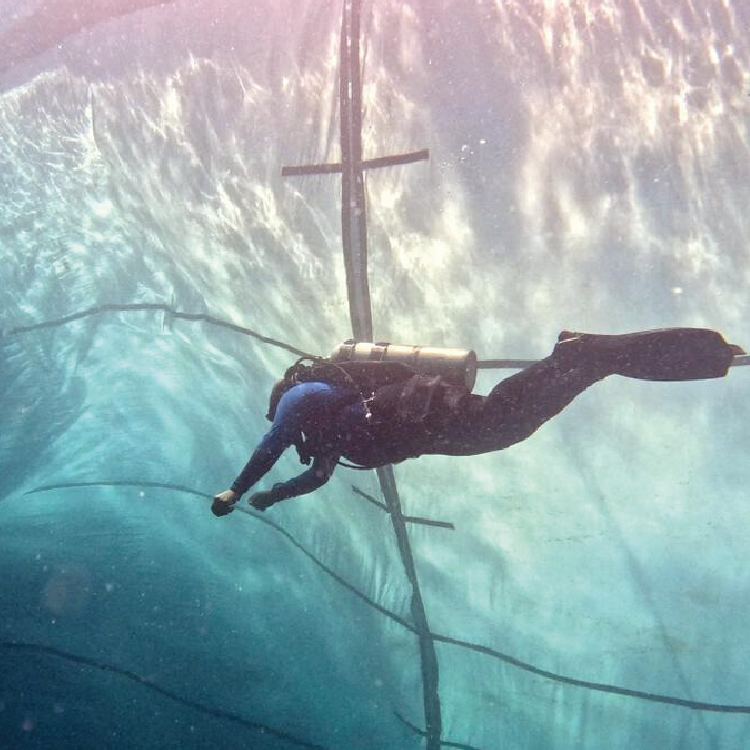
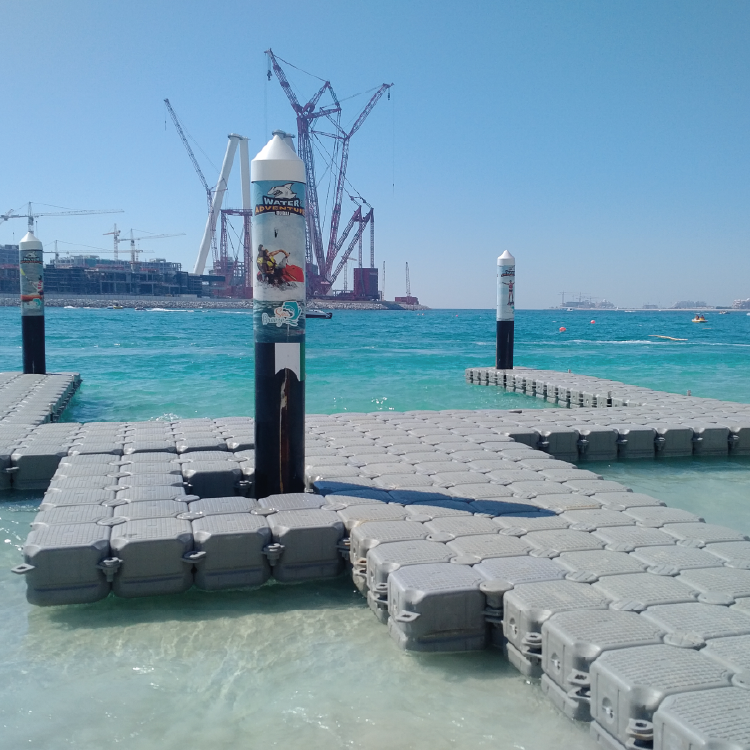
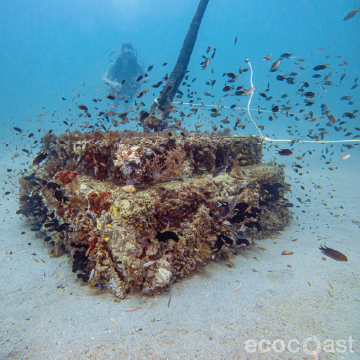
A sustainable mooring solution that supports life below water.
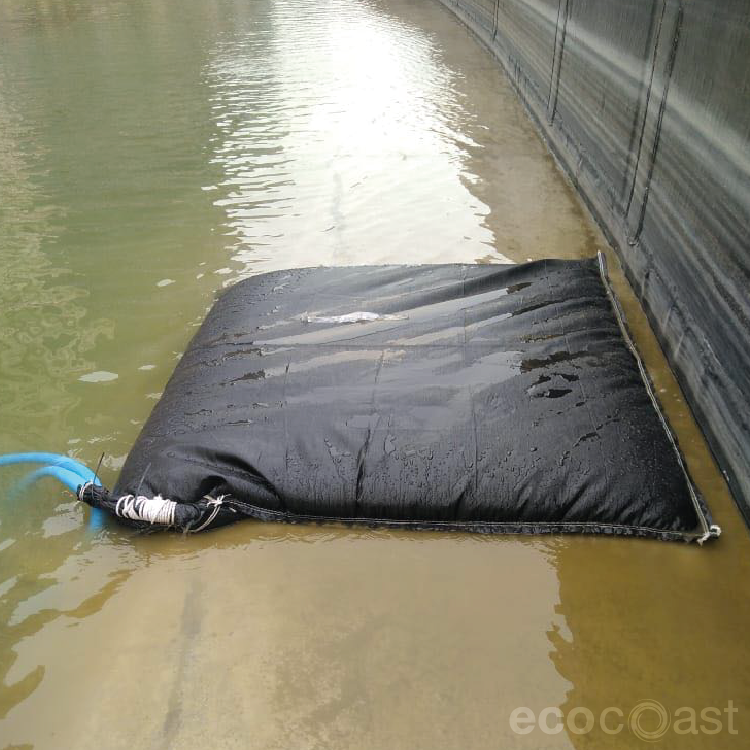
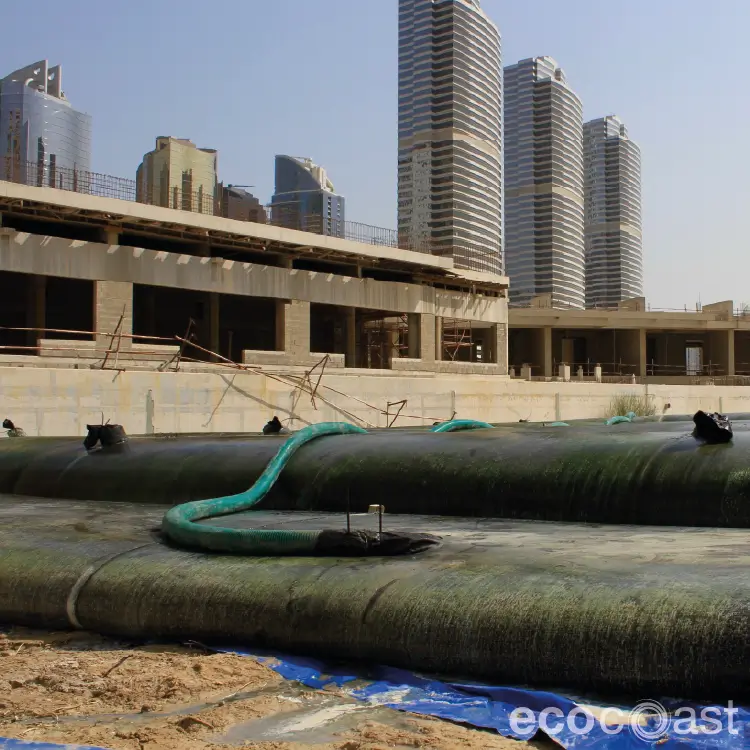
We have developed a simple, effective dewatering solution that has proven its effectiveness in various industries. The dewatering containers are incredibly durable and require minimal maintenance thanks to their superior design features.
The most effective interception points sit upstream – river mouths, marina entrances and stormwater outfalls – where debris is still concentrated and hasn't yet spread into open water. Once plastic reaches the open ocean, recovery becomes far more difficult and expensive.
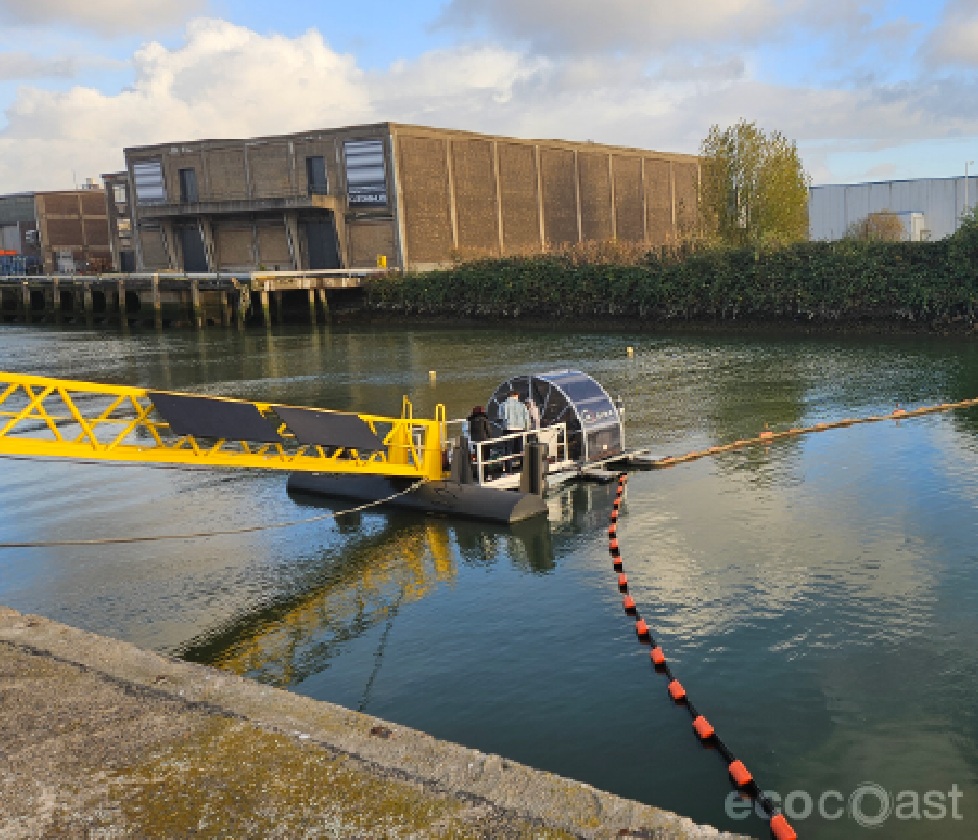
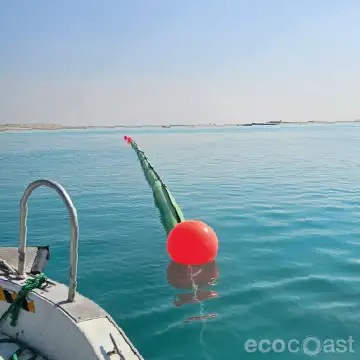
Debris booms hold a floating barrier across a waterway choke point. Water passes through while the barrier traps floating waste for collection. Effective designs combine surface containment with subsurface capture, so debris cannot slip underneath.
A flush-faced debris boom uses a continuous curtain with no gap at the surface or below the waterline, unlike conventional float-and-skirt designs. It intercepts debris both above and below the water's surface, then self-clears to a collection point or spillway. The design was first introduced by Bolina, a company acquired by Ecocoast in 2020. It has since then been the benchmark in the industry.
Yes. Some debris boom designs, including Bolina Debris Booms, include built-in openings that let watercraft pass through without compromising the barrier's containment function.
Yes. Ecocoast manufactured the screen for The Ocean Cleanup's original System 001. The Ocean Cleanup also used Bolina Permanent Debris Booms in some of its first Interceptor deployments.
Bolina Permanent Debris Booms, part of the Ecocoast range, were used in some of The Ocean Cleanup's first Interceptor deployments in rivers.
Large-scale river interceptor projects typically rely on floating barriers that combine surface flotation with a subsurface screen or skirt. The most effective designs use full-width, flush-faced containment to prevent debris from slipping around or underneath the barrier – the same principle behind Bolina Permanent Debris Booms.
Ecocoast has partnered with Ichthion in Ecuador, Noria in the Netherlands, Cefas and NARA in Sri Lanka, DEME in Belgium, and The Ocean Cleanup across river and ocean deployments including Indonesia.
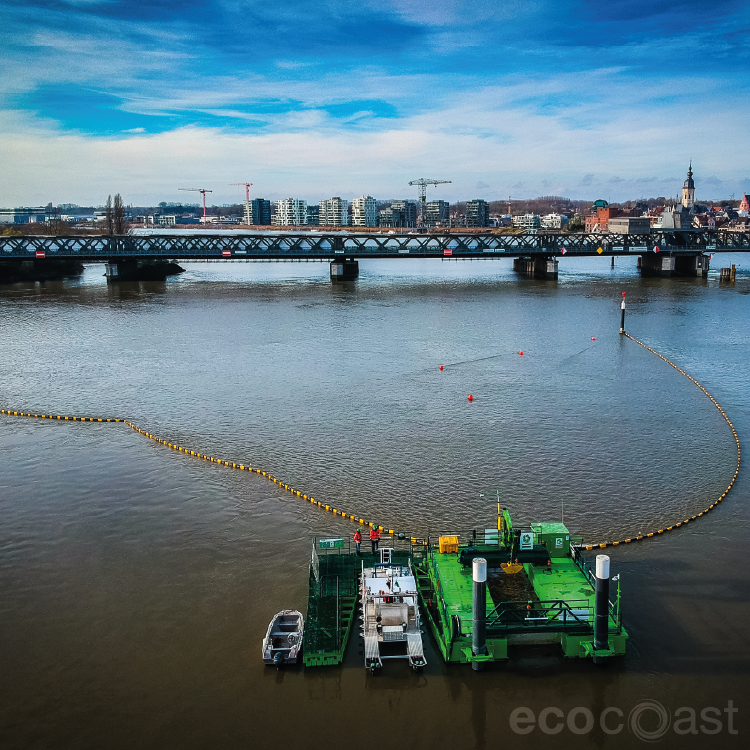
Ecocoast engineered Europe's longest floating debris barrier on the Scheldt River in Belgium, in partnership with DEME. It captures 218 kilograms of plastic and debris daily.
Yes. Ecocoast manufactured the screen for The Ocean Cleanup's original System 001, and Bolina Permanent Debris Booms were used in some of its first Interceptor deployments, including early sites in Indonesia.
Some designs, like the boom supporting Ichthion's Azure system in Ecuador, use a porous structure and set target depth that allows fluvial fauna to pass underneath, while still trapping floating waste, including small items like cigarette filters and bottle tops.
Each river or waterway presents different conditions: tidal range, current speed, debris volume, wildlife sensitivity and boat traffic. Effective debris control adapts the same core engineering principles, full containment and durability, to the specific demands of each site.
NARA and Cefas' OCPP team deployed the Bolina Permanent Debris Boom, supplied by Ecocoast, across two sites: the Kelani River and the Ja-Ela River.
The project originally planned a single deployment on the Kelani River. Unseasonal rainfall affected conditions there, so the team added a longer boom on the Ja-Ela River rather than relocating the project entirely. Both rivers now have active debris interception in place.
The boom uses a flush-faced curtain design with no gap at the surface or below the waterline, allowing continuous water flow while capturing and retaining large floating debris such as plastic bottles and tree branches.
Beyond physical containment, the boom acts as a monitoring tool, providing insights into the composition and volume of litter traveling downriver – data that helps researchers understand the sources and trends of plastic pollution.