Ready to green your grey infrastructure? Discover Ecoreef →
1,333,018 Meters OF MARINE BARRIERS AND COUNTING  LIVE
LIVE
Solutions for marine pollution control, coastal and shoreline protection to effectively address environmental concerns.
View All Products
Solutions for the protection of critical infrastructure and other high-security areas.
View All Products
End-to-end solutions for environmental protection, safety and security applications that protect, monitor and regenerate marine environments.
View All Solutions
End-to-end marine and engineering services designed to ensure high-performing projects.
View All Services
Industry-focused expertise delivering proven solutions for coastlines and waterways, from initial concept to long-term operation and protection.
View All Industries

Solutions for marine pollution control, coastal and shoreline protection to effectively address environmental concerns.
View All Products
Solutions for the protection of critical infrastructure and other high-security areas.
View All Products
End-to-end solutions for environmental protection, safety and security applications that protect, monitor and regenerate marine environments.
View All Solutions
End-to-end marine and engineering services designed to ensure high-performing projects.
View All Services
Industry-focused expertise delivering proven solutions for coastlines and waterways, from initial concept to long-term operation and protection.
View All Industries

Share:


August is Water Quality Month. Our environmental solutions protect coastlines and waterways by controlling silt, foam, debris and oil spills. Whether it’s a marina, beach or infrastructure project, our mission stays the same: safer, cleaner and more sustainable waters.
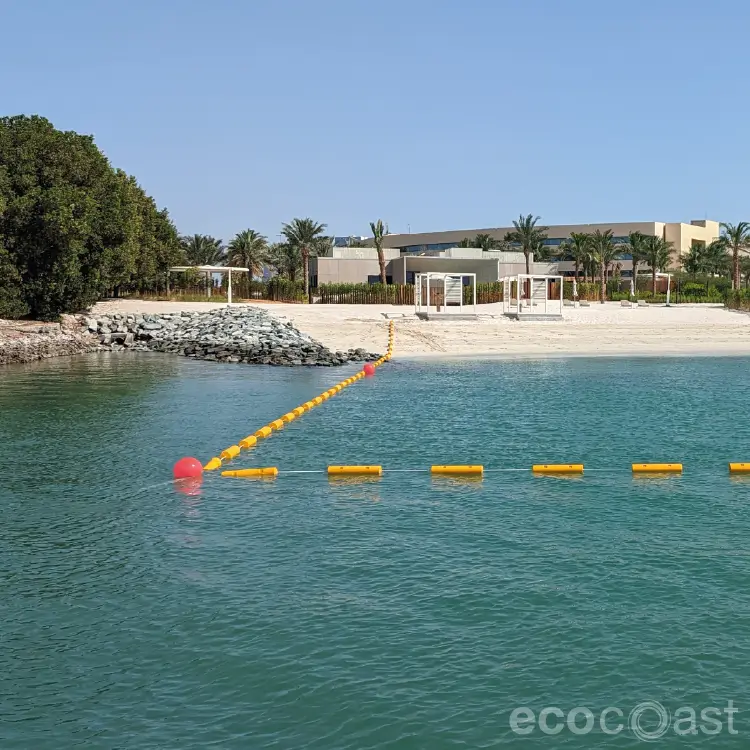
Silt can travel far from a work site during construction or dredging, clouding the water and affecting nearby shorelines. In areas full of tourists and resorts, that can impact water clarity, beach quality and the overall coastal experience.
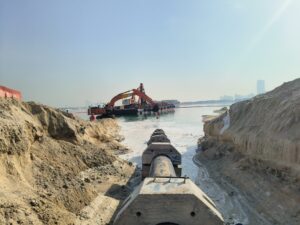
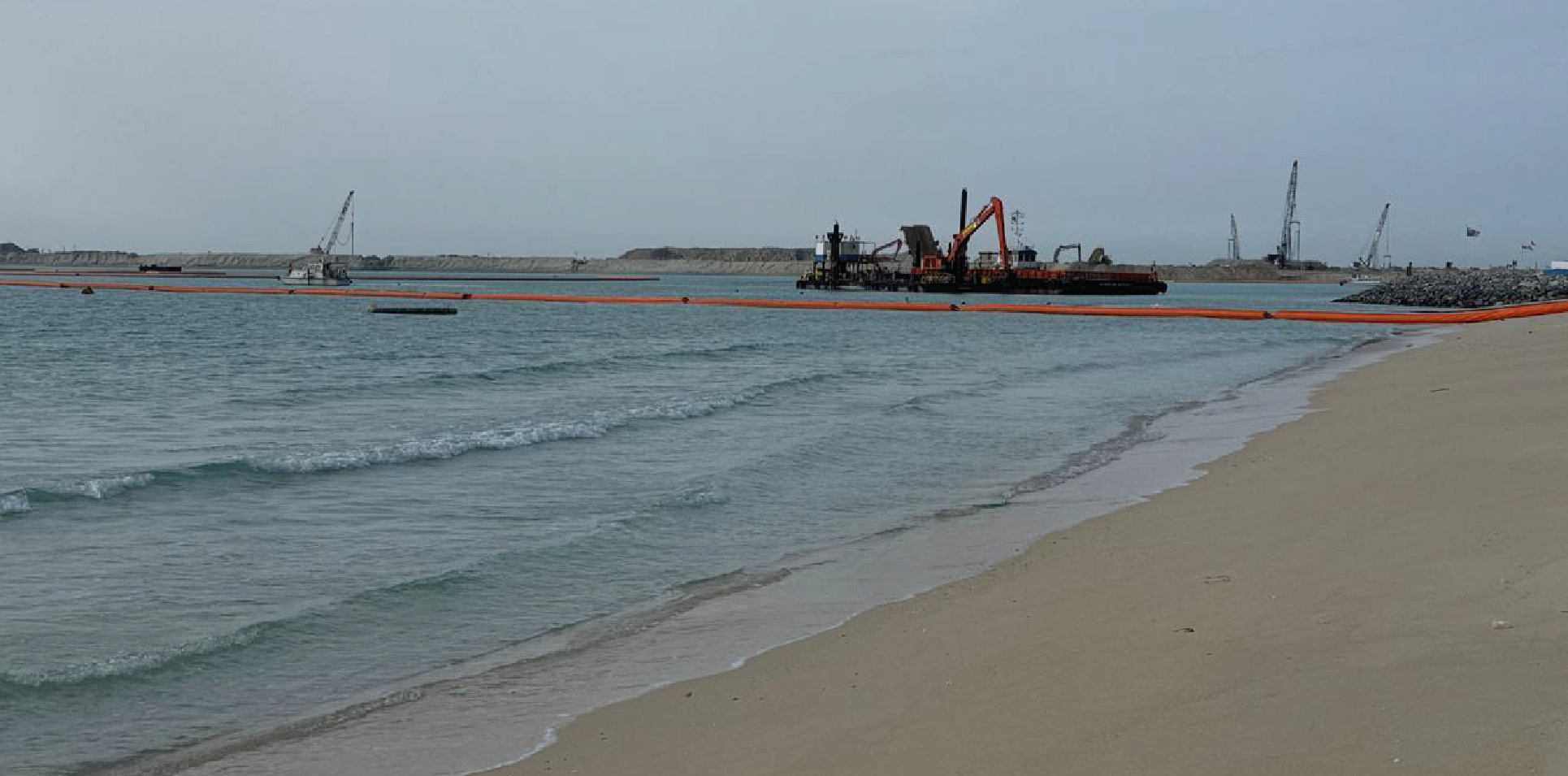
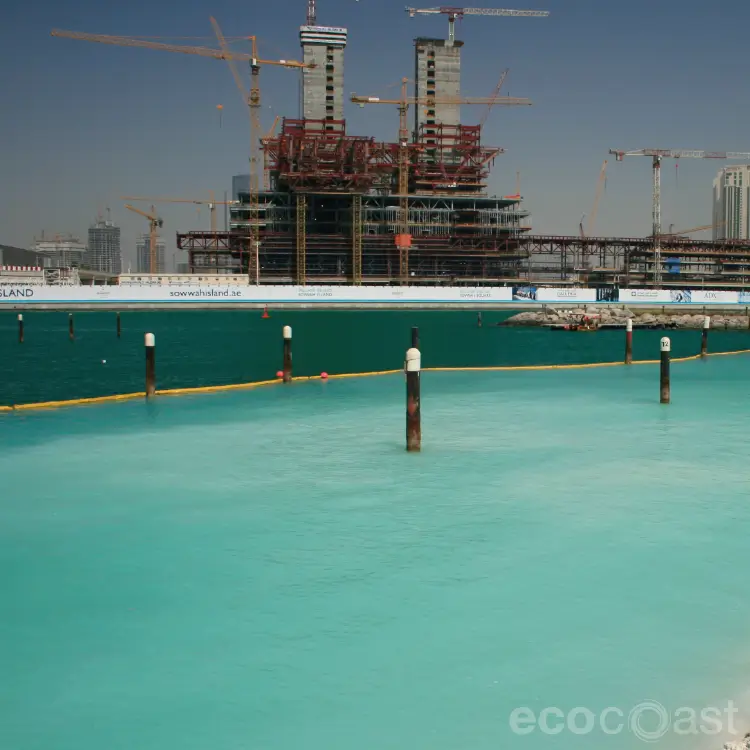
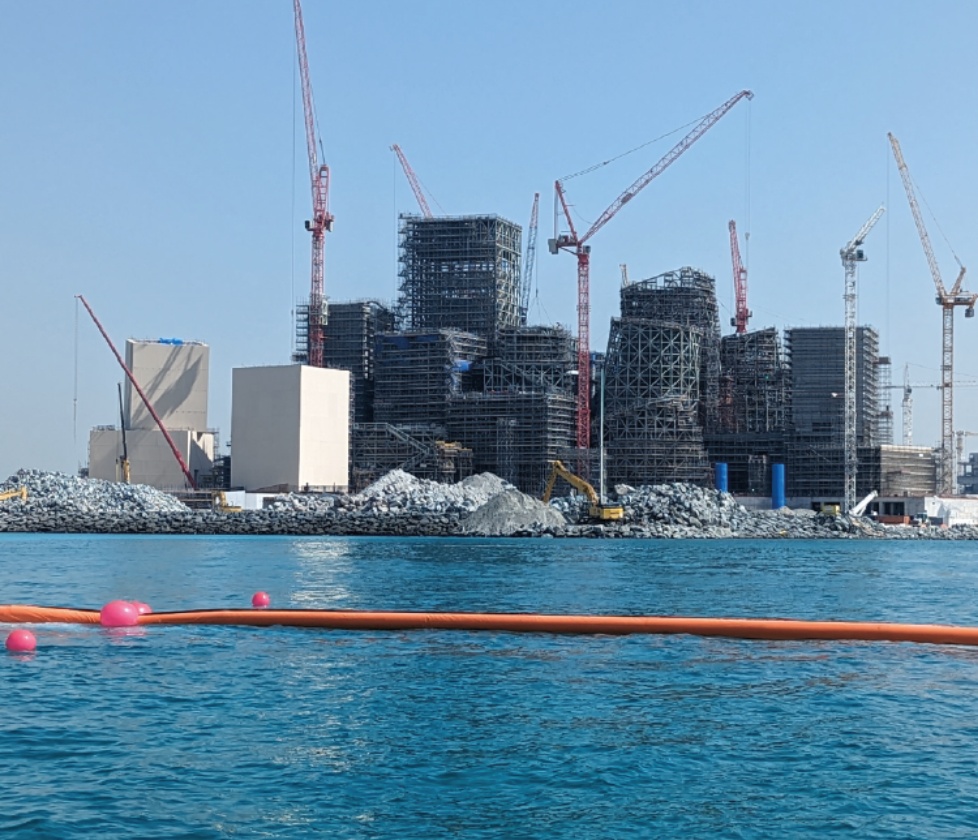
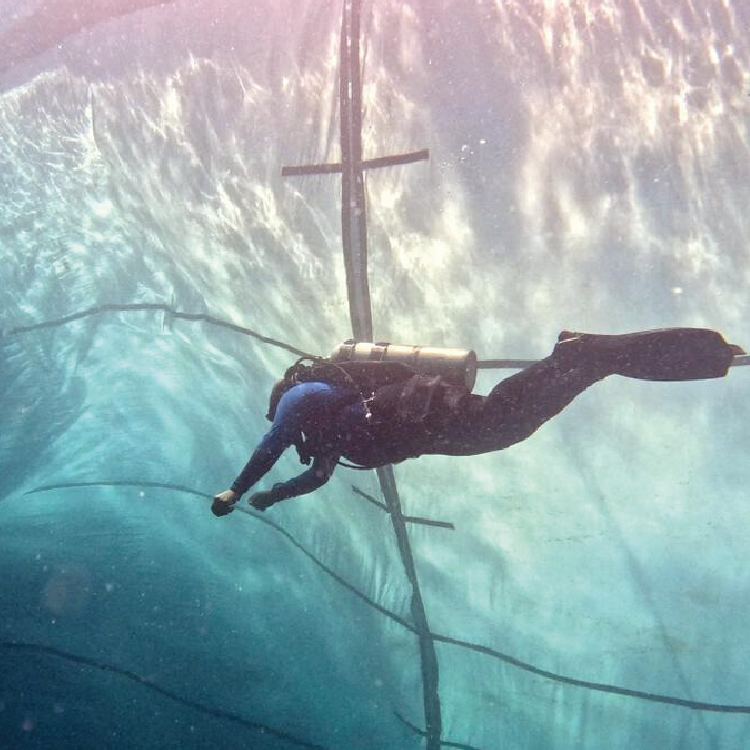
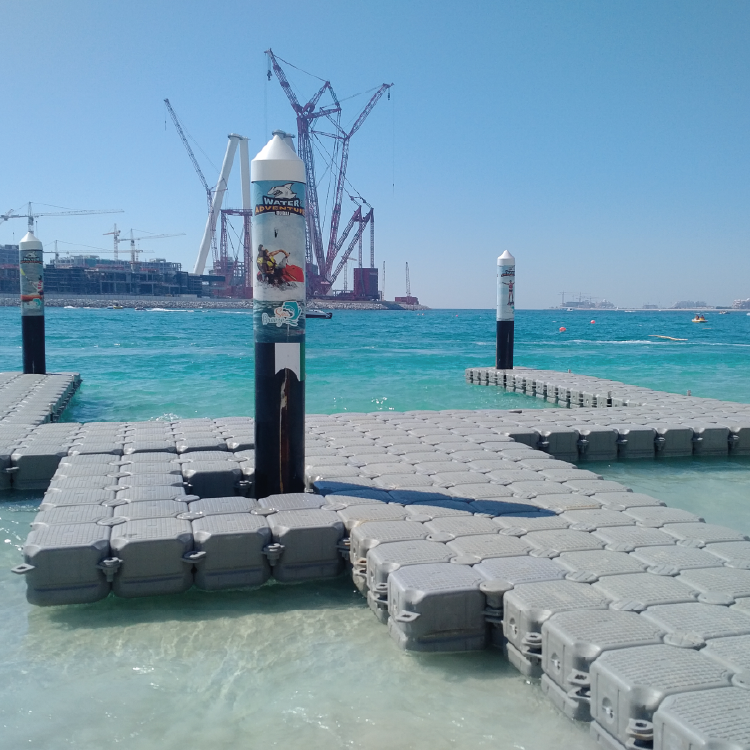
We recently deployed our silt control solutions at Six Senses The Palm, one of Dubai’s most iconic destinations. As part of the marine works for the development, our silt curtains were used to contain sediment at the source. The curtains help maintain clean, clear waters for surrounding beaches and resorts while minimising environmental impact.
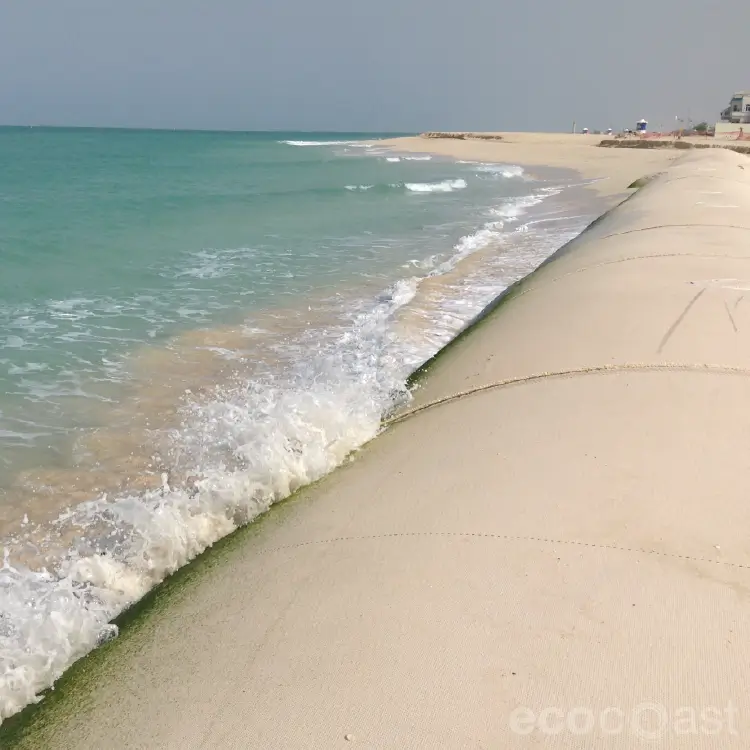
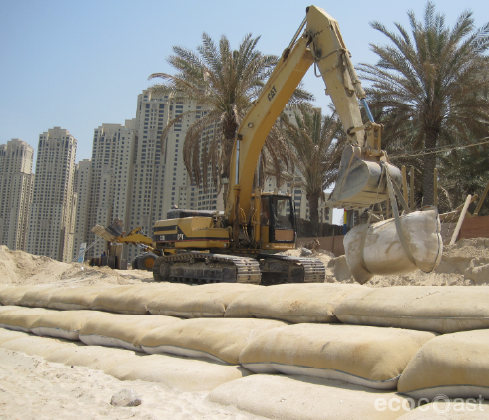
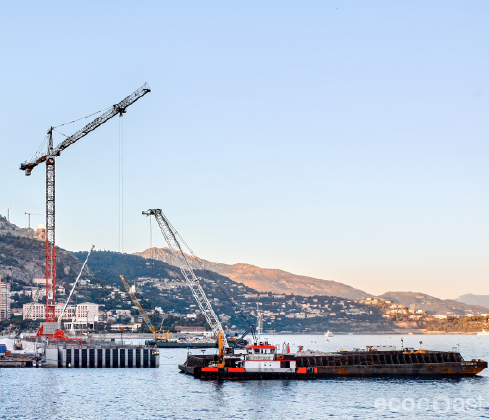
Sludge remediation also plays a key role in dredging projects. On a project in the UK, our local partner used our Ecobag Dewatering Containers to manage sediment. They pumped sediment-laden water (called slurry) ashore through floating flexible pipes into these permeable containers. The fabric of the containers traps solids while water drains out, reducing turbidity and allowing for safe discharge of clean water.
After completing the dewatering process, dried sediment can be handled easily. It can be spread evenly over land and allows vegetation to grow back naturally. This method is cost-effective and environmentally friendly. Dried silt can also be reused on-site as topsoil, for landscaping, planting beds, or even manure.
In 2025, global and regional regulations have accelerated the phase-out and strict control of hazardous foams used in marine operations. The focus is primarily on preventing marine pollution from foams containing PFAS (per- and polyfluoroalkyl substances) compounds, like PFOS and PFOA.
From January 1, 2026, the International Maritime Organization (IMO) will prohibit the use and storage of PFOS-based foams on all ships. Regulators will require shipowners to transition to fluorine-free alternatives and to safely collect and incinerate foam residues to protect marine ecosystems. These new rules are driving the adoption of advanced, environmentally compliant solutions in marine construction and vessel operations.
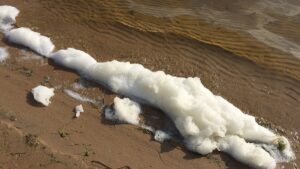
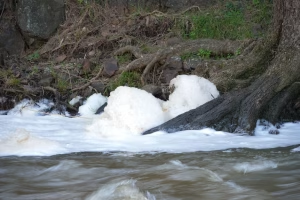
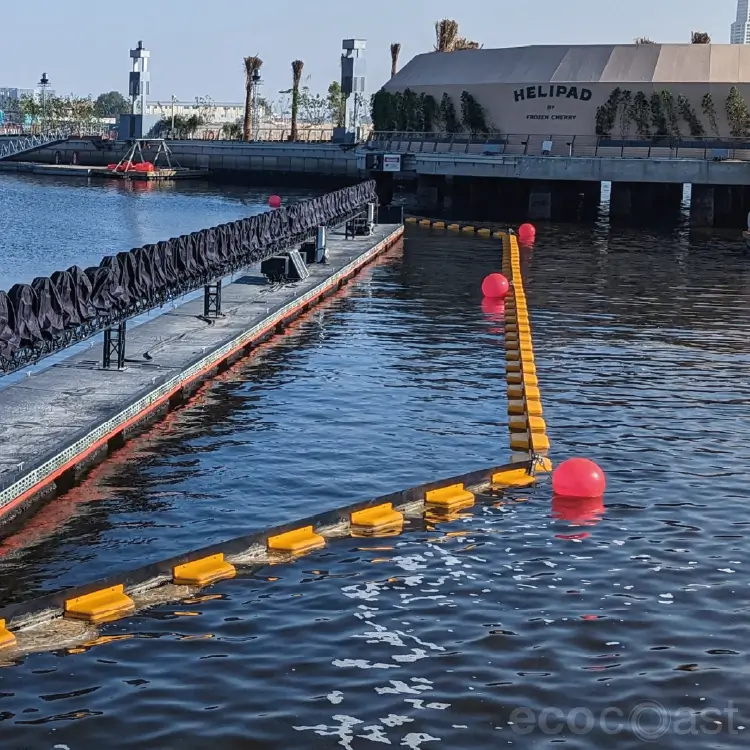
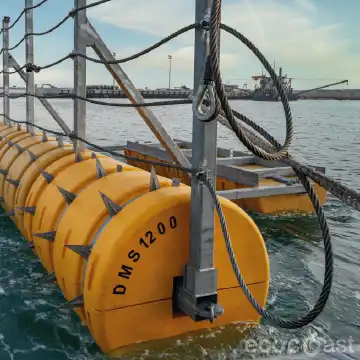
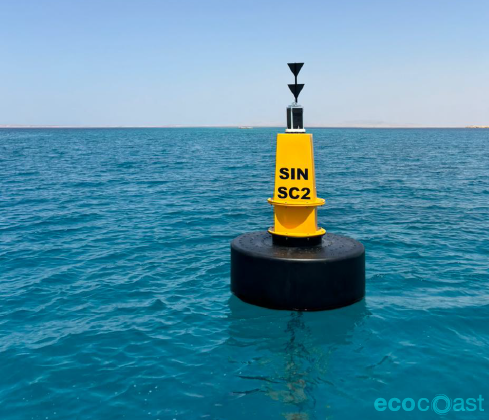
On beaches, in marinas, harbors and industrial areas, foam on the water’s surface isn’t just unsightly, it’s often a sign of pollutants. Our foam control solutions, including foam containment booms, capture and contain foam before it spreads.
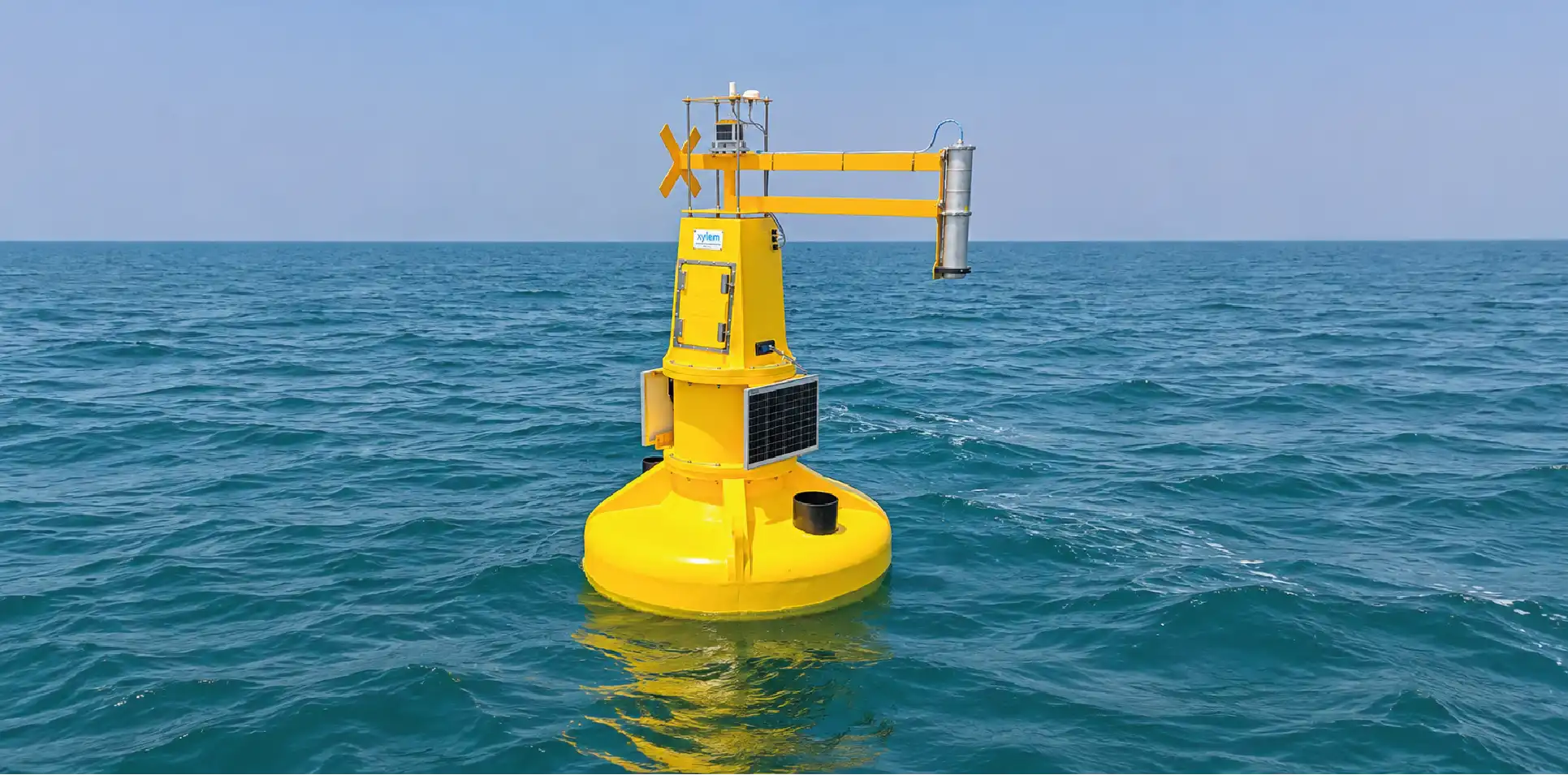
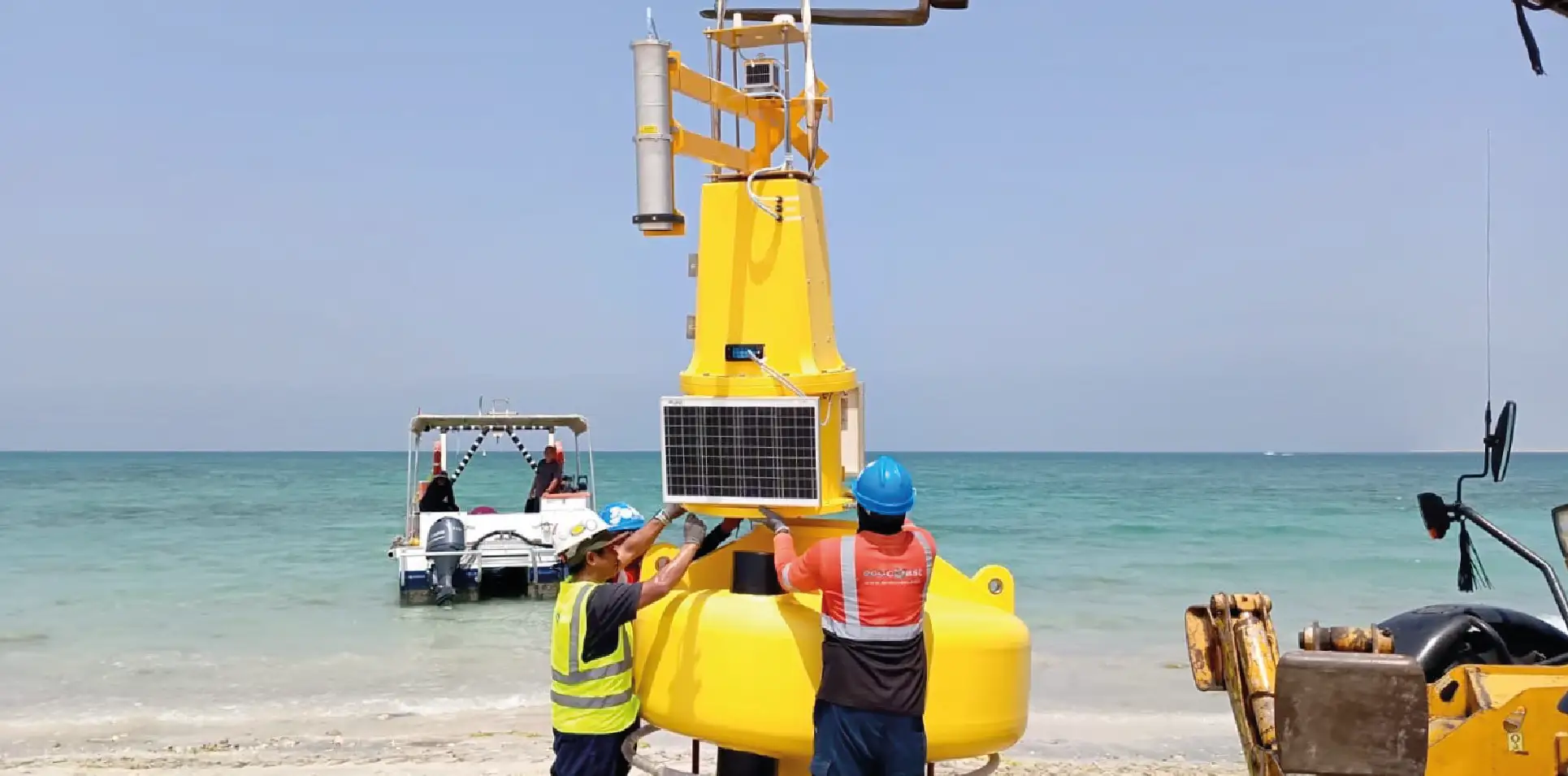
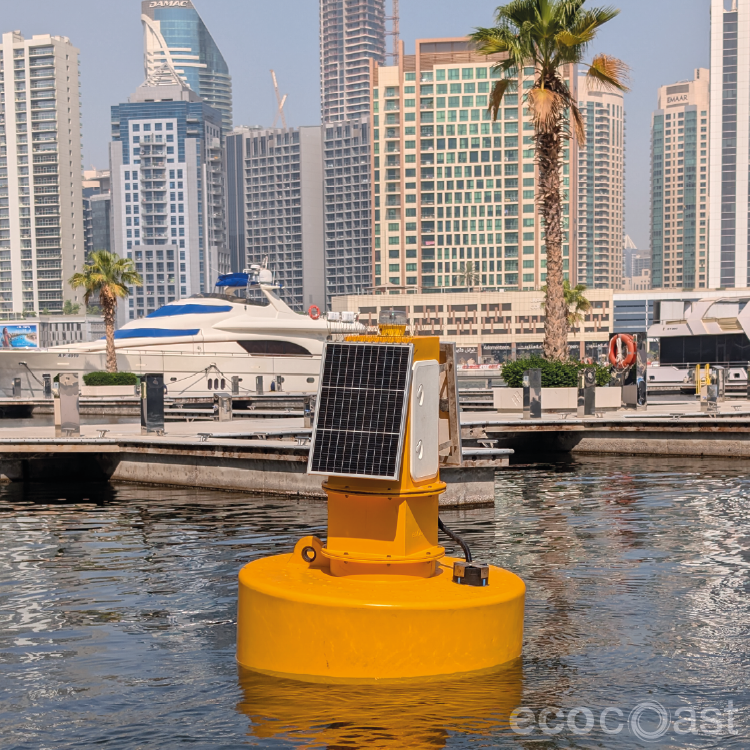
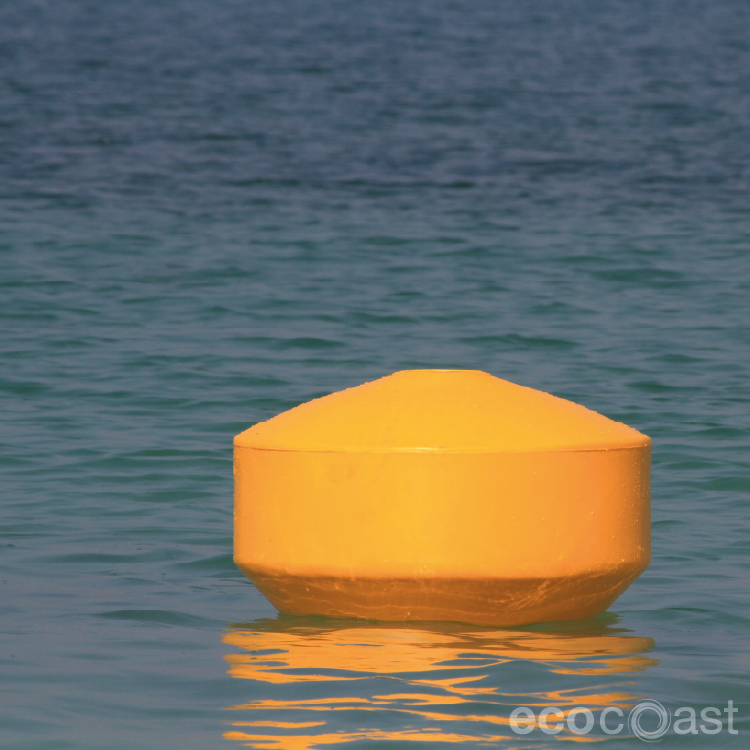
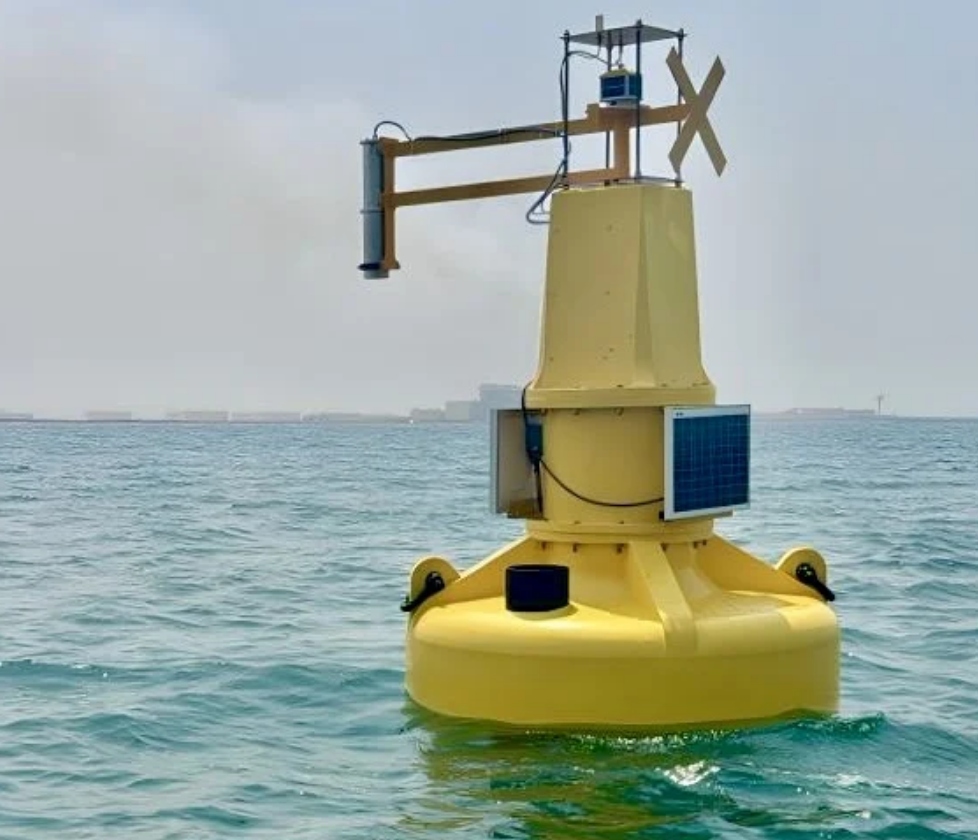
We also offer water quality monitoring through data buoys, giving real-time insights into water conditions.
Even when it’s not a large-scale spill, oil contamination in water poses a serious threat to marine life and water quality. At certain operational sites, the risk comes from smaller but continuous sources – leaks, runoff or residues – that can accumulate and spread if left unchecked.
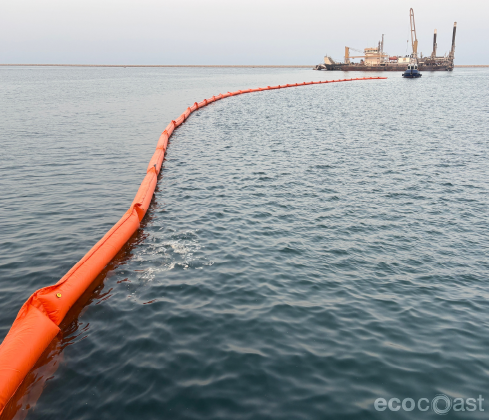
In one recent project, our operations team isolated oil from water at a critical collection point. The goal was clear: keep the contaminant contained while allowing the site to operate as normal. We designed our solution for durability and high efficiency in challenging conditions. Watch the video below for a clear example of effective containment. Read the full case study here.
While this project focused on containment, we also provide hydrocarbon monitoring and deployable oil boom systems – including reels and racks. These can be delivered to sites quickly to manage ongoing risks.
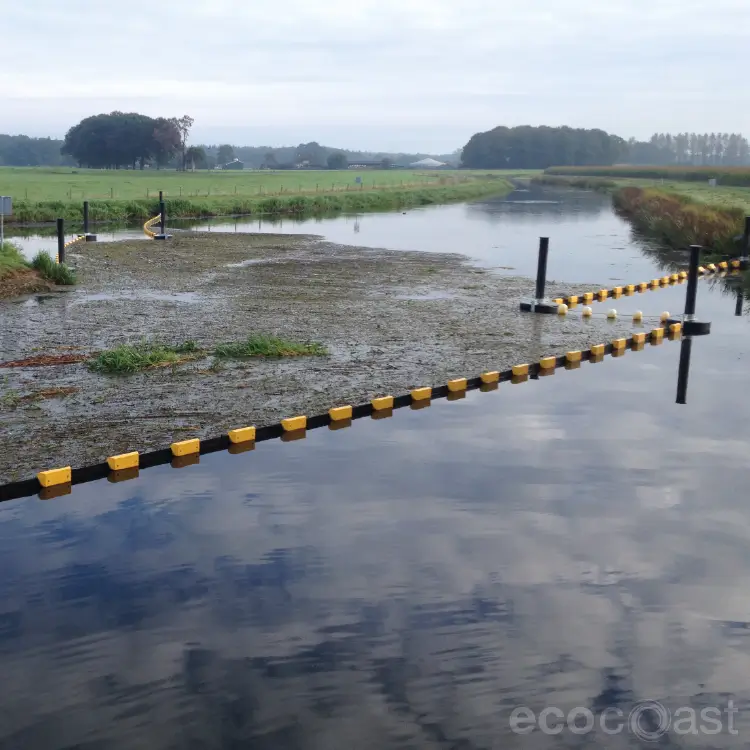
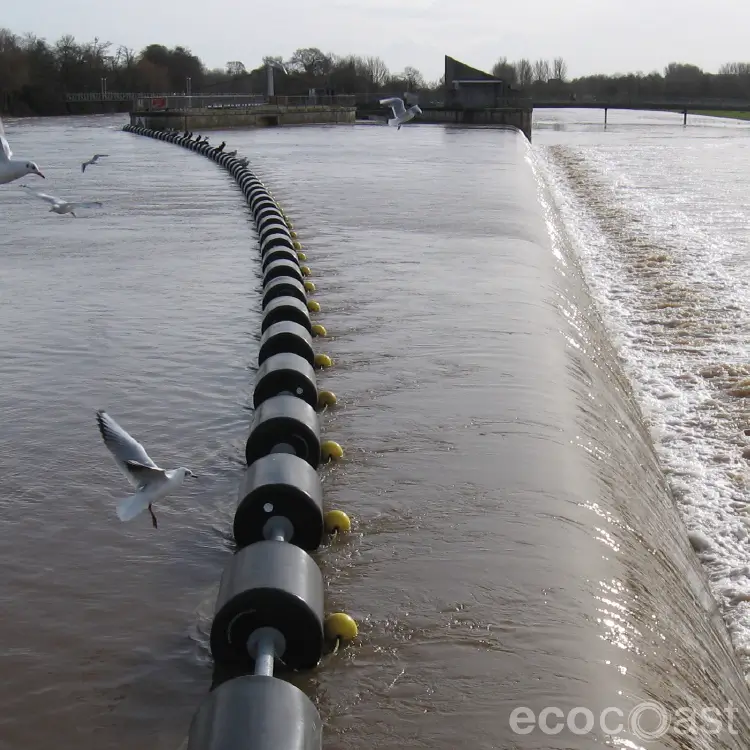
Floating debris in rivers can pose a serious threat to infrastructure, water quality and wildlife. At key locations, the risk comes from a mix of natural and man-made debris. Tree trunks, plastics and other materials can accumulate and cause problems, if left unchecked.
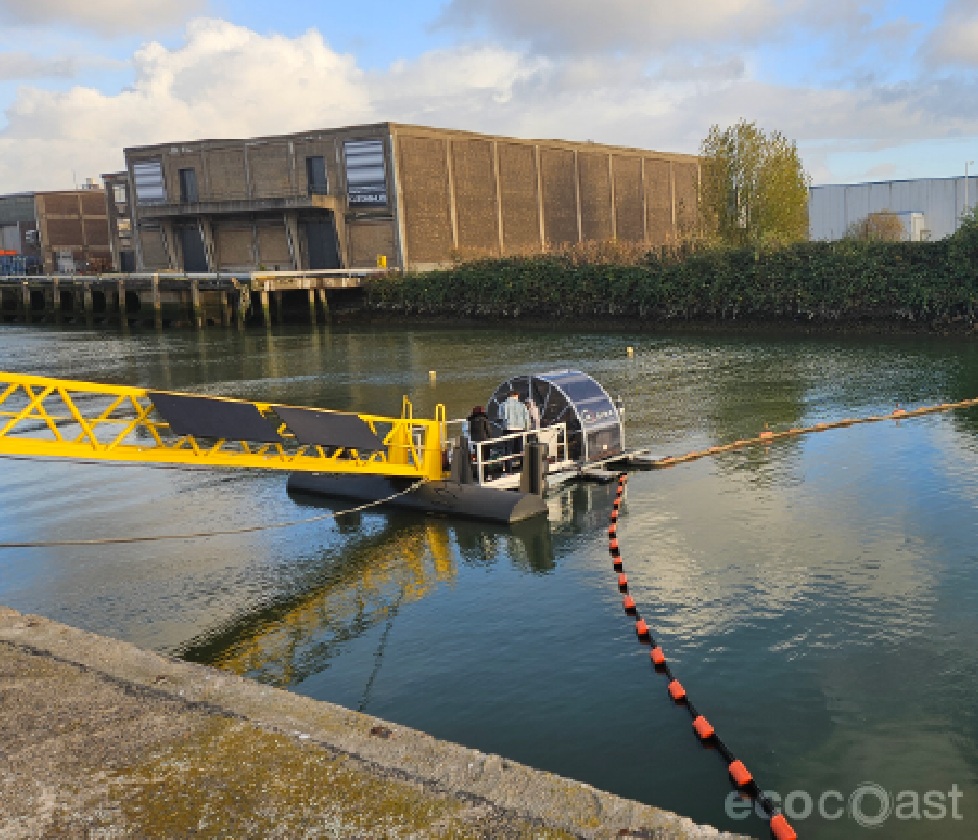
At the Tees Barrage in the UK, this challenge required careful management. The goal was to prevent debris from reaching critical structures, protect the river environment and maintain normal river operations. We designed our approach to be reliable, long-lasting and effective in all conditions.
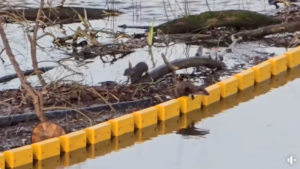
Discover how we managed this challenge here.
From silt and foam to debris and other pollutants, our environmental solutions focus on protecting water quality. This Water Quality Month, we’re highlighting how these solutions work in different settings to create cleaner, safer and more sustainable coastlines and waterways.
–
Want to learn more? Explore our full range of environmental solutions and see how we can help protect the coastlines and waterways you care about.
👉 Contact us today to discuss your project.
#WaterQualityMonth #siltcontrol #foamcontrol #oilcontainment #debriscontrol #sludgeremediation #ecocoast
Share:







 Prev Blog

 Related Blog Posts