Ready to green your grey infrastructure? Discover Ecoreef →
1,333,018 Meters OF MARINE BARRIERS AND COUNTING  LIVE
LIVE
Solutions for marine pollution control, coastal and shoreline protection to effectively address environmental concerns.
View All Products
Solutions for the protection of critical infrastructure and other high-security areas.
View All Products
End-to-end solutions for environmental protection, safety and security applications that protect, monitor and regenerate marine environments.
View All Solutions
End-to-end marine and engineering services designed to ensure high-performing projects.
View All Services
Industry-focused expertise delivering proven solutions for coastlines and waterways, from initial concept to long-term operation and protection.
View All Industries

Solutions for marine pollution control, coastal and shoreline protection to effectively address environmental concerns.
View All Products
Solutions for the protection of critical infrastructure and other high-security areas.
View All Products
End-to-end solutions for environmental protection, safety and security applications that protect, monitor and regenerate marine environments.
View All Solutions
End-to-end marine and engineering services designed to ensure high-performing projects.
View All Services
Industry-focused expertise delivering proven solutions for coastlines and waterways, from initial concept to long-term operation and protection.
View All Industries

Share:


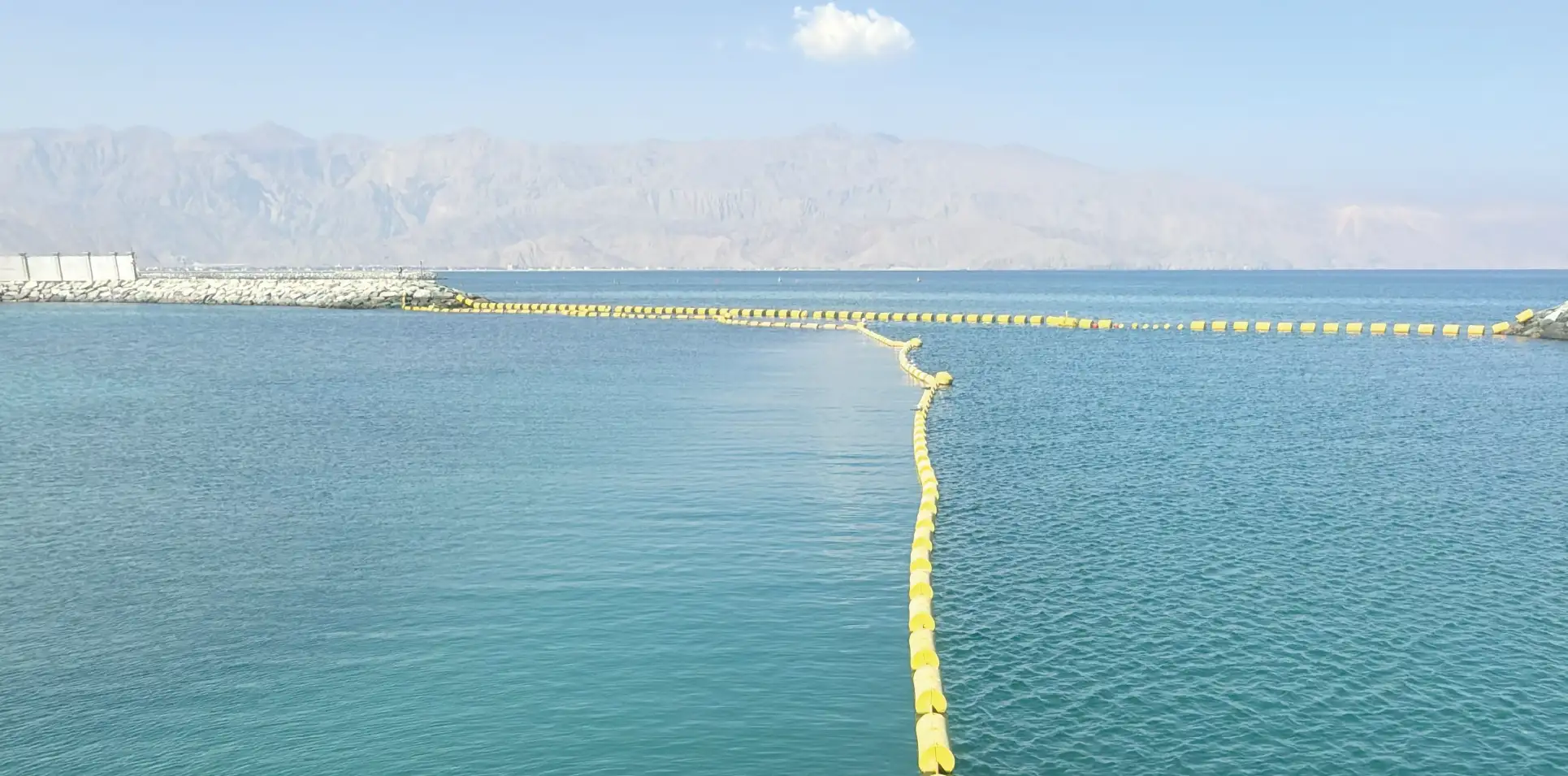
Have you noticed how busy our waterways are getting lately? From superyachts in Dubai to recreational boating in the UK, more and more people are heading out on the water. But with all this activity comes a big question. How do we keep everyone safe and protect important areas without ruining the experience?
It’s a hot topic right now, especially in places like the UAE, Saudi Arabia (KSA) and the UK, where protecting coastlines and rivers is a top priority. That’s exactly why we’re so excited to talk about a recent project we completed in the UAE.
For years, marking off a “no-go” area on the water usually just meant a few buoys bobbing around. They were visual cues, basically a friendly way of saying don’t go there.
But let’s be honest, those cues are easy to miss, especially if you’re on a fast-moving jet ski or accidentally drifting in a kayak. This shift towards stronger boundaries is part of a global movement where physical marine demarcation is becoming the necessary partner to digital monitoring. While GPS alerts are helpful, they cannot physically stop a boat. That’s where a hard boundary makes the difference.
With the High Seas Treaty now in full effect, the world is legally committed to protecting 30% of our oceans by 2030. When people cross those lines, it causes real problems:
1️⃣ Safety risks: Imagine a small boat accidentally entering a busy shipping lane or a high-speed zone.
2️⃣ Environmental damage: Wandering into a sensitive coral reef or a protected bird nesting site can cause damage that takes years to fix. In the UAE, for example, the Abu Dhabi Mangrove Initiative (ADMI) is working to plant 100 million mangroves. These blue carbon sites need physical protection from boat traffic to survive.
3️⃣ Security breaches: Vital infrastructure like desalination plants or naval bases need iron-clad protection from unauthorized access.
Governments and coastal authorities are moving away from simply suggesting where not to go and are moving towards physically securing these zones. It’s all about making our waters safer, smarter and more sustainable.
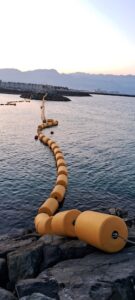
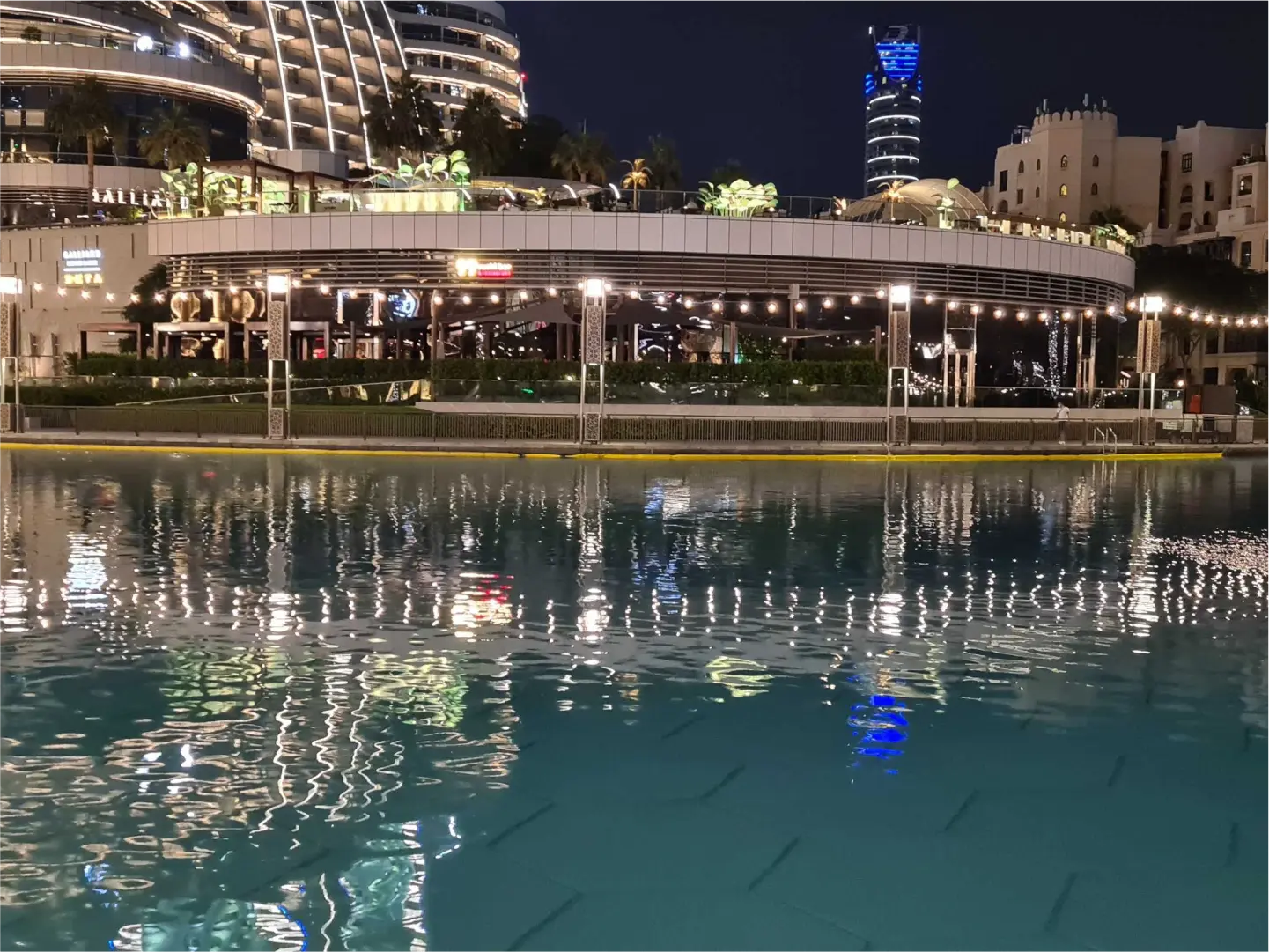
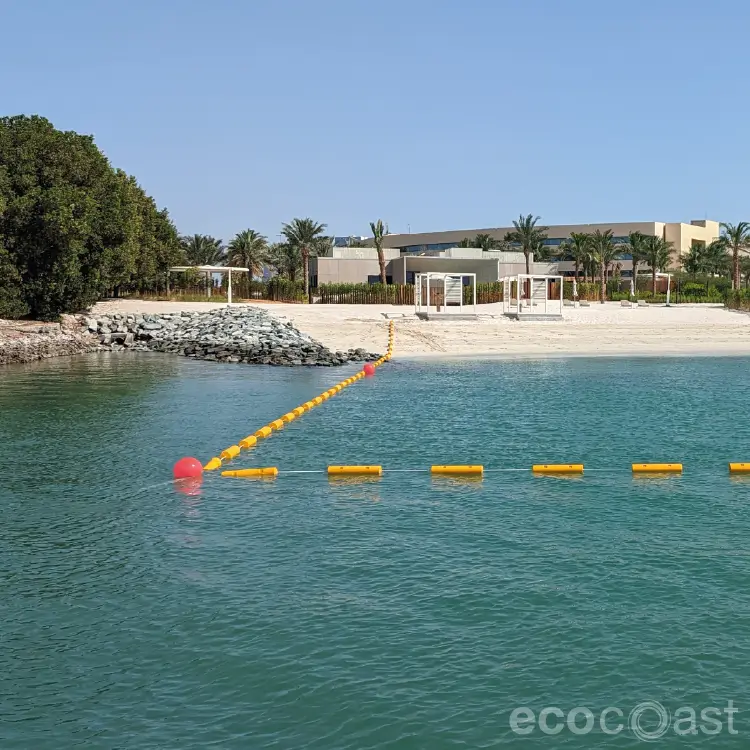
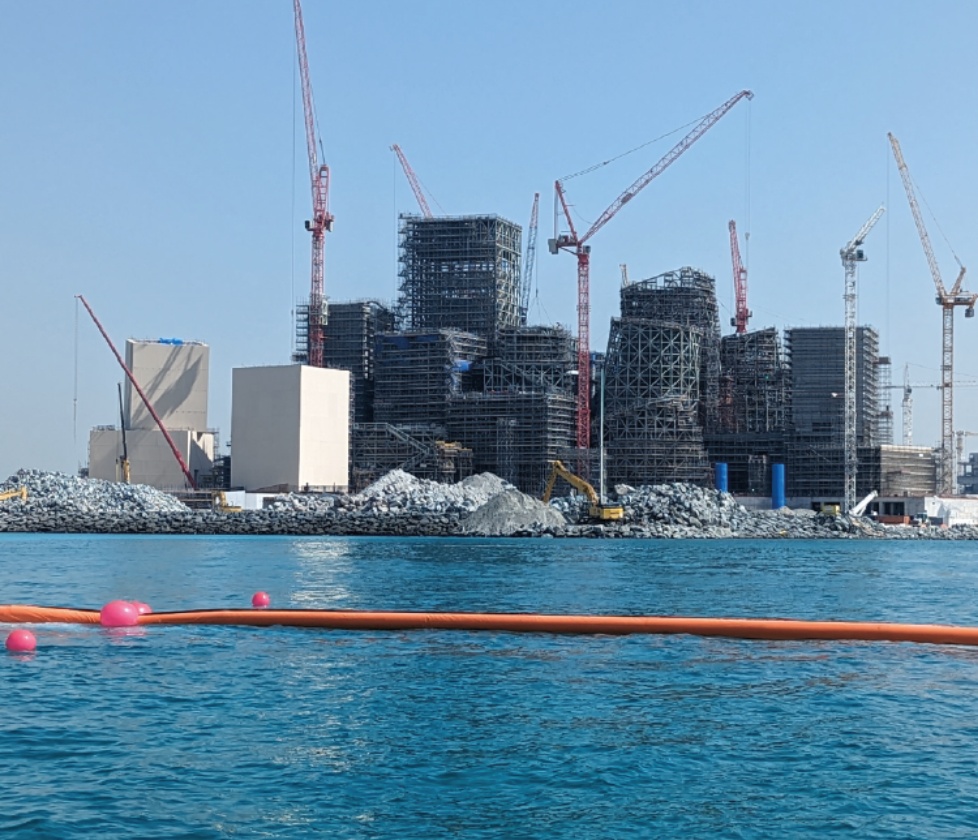
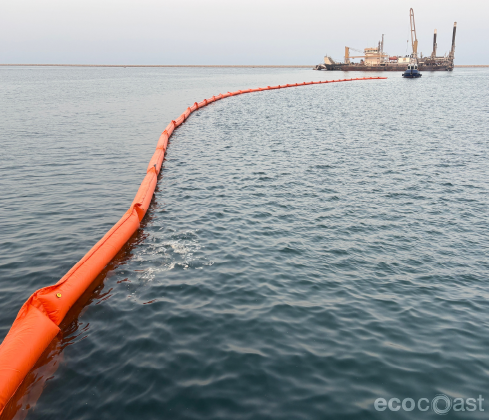
We recently delivered a demarcation solution for a client in the UAE. Their challenge was clear. They needed to demarcate a restricted area to prevent any accidental or unauthorized entry.
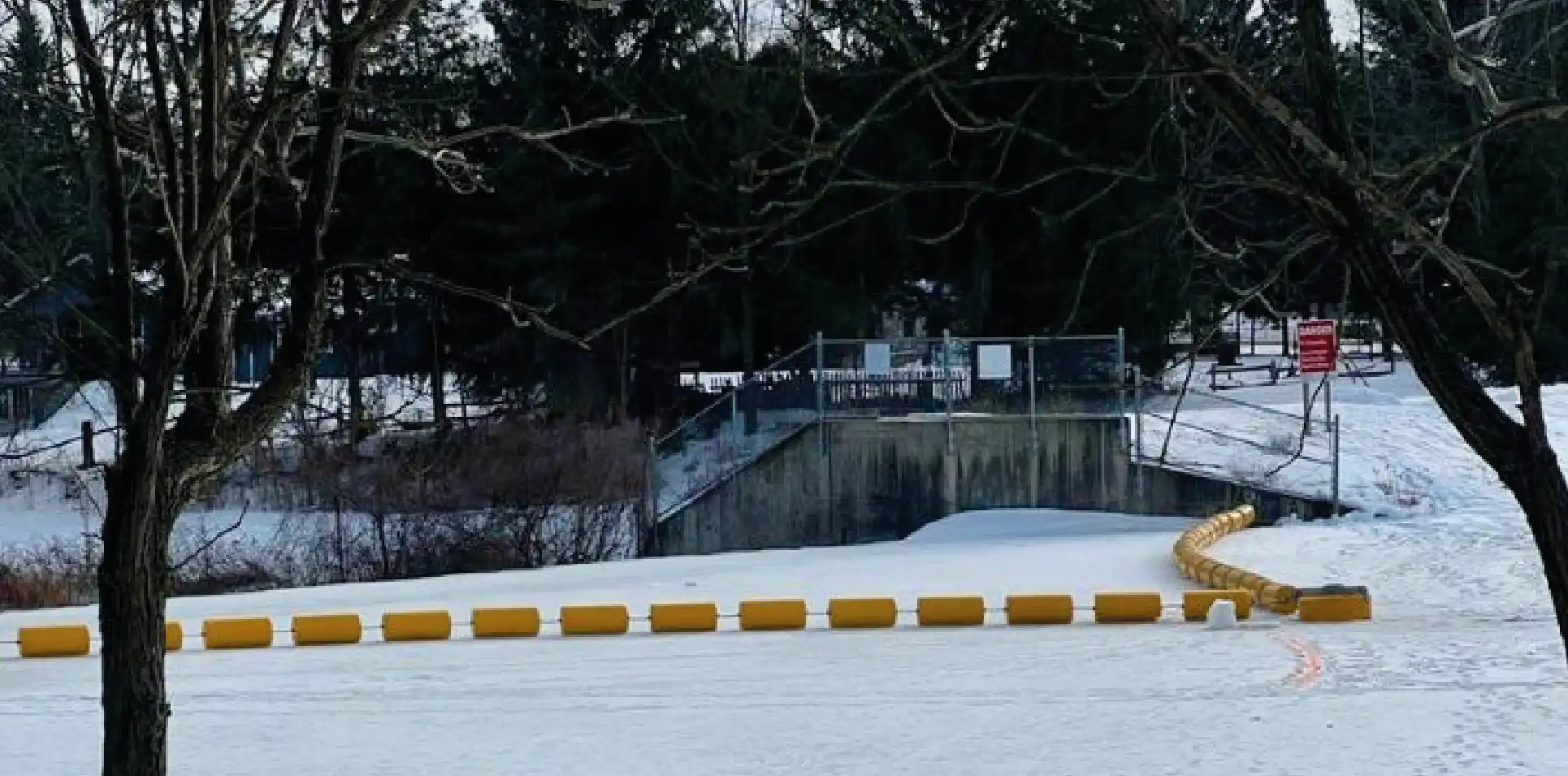
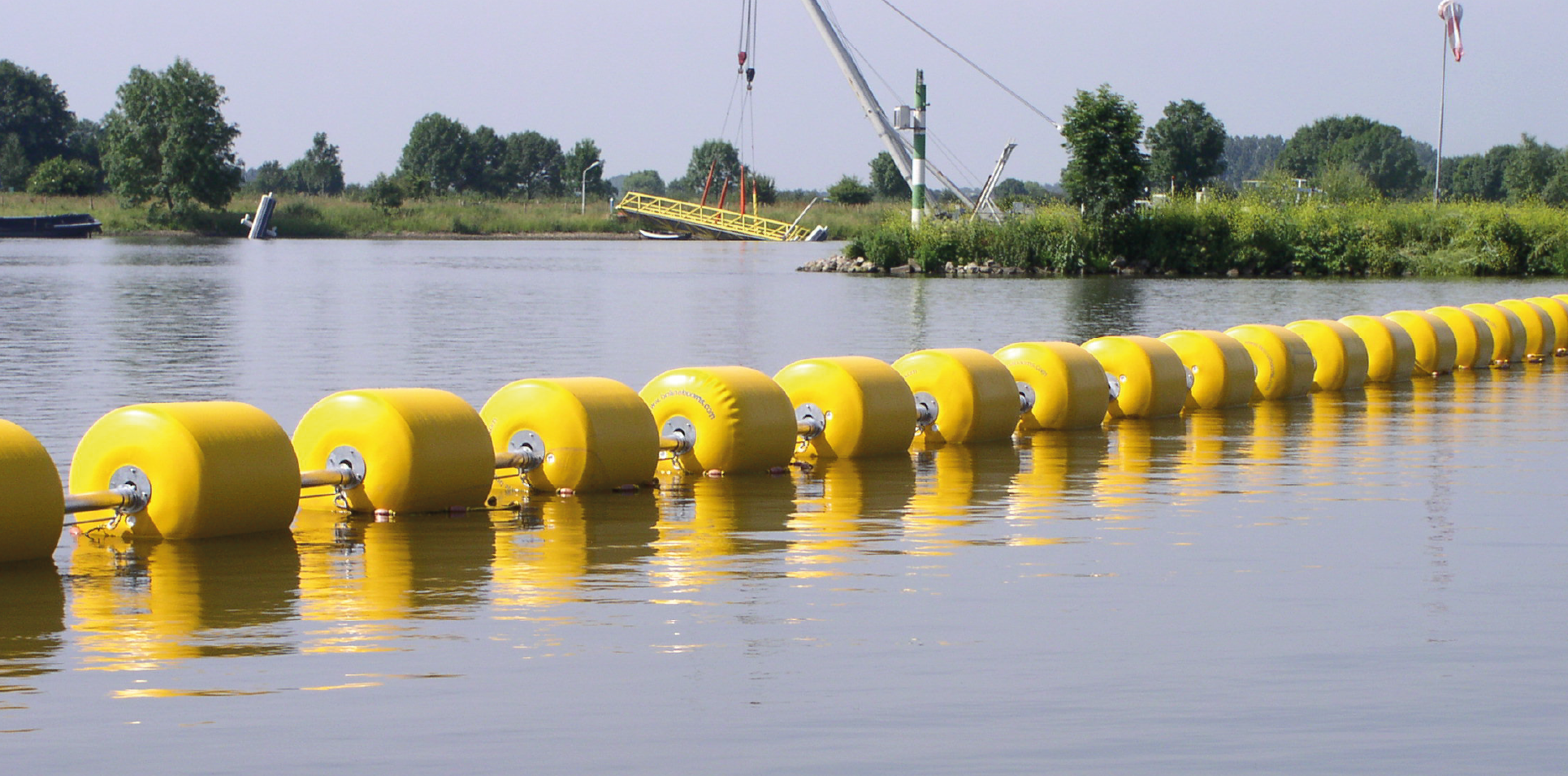
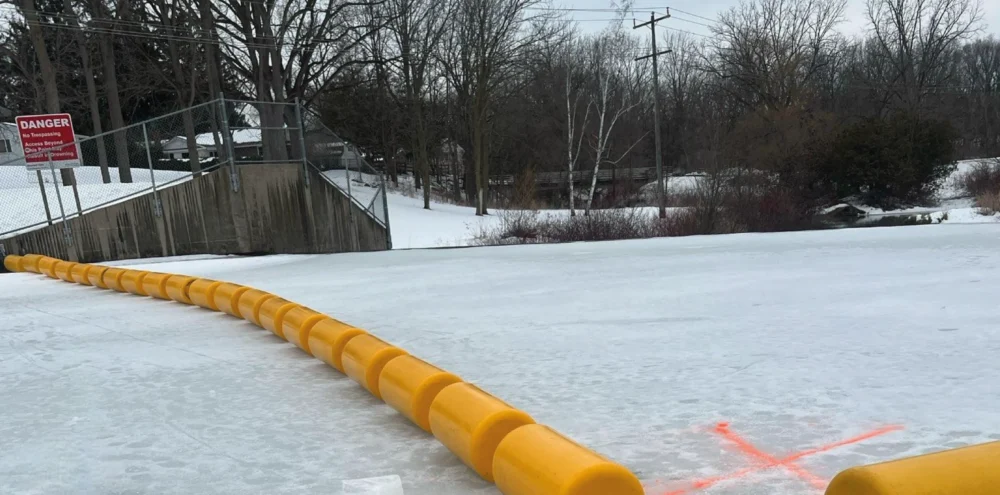
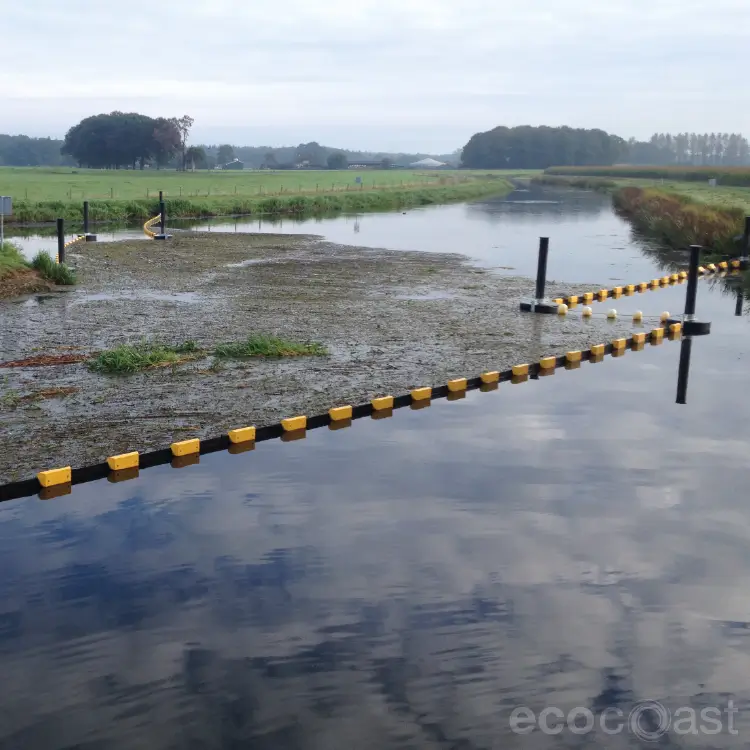
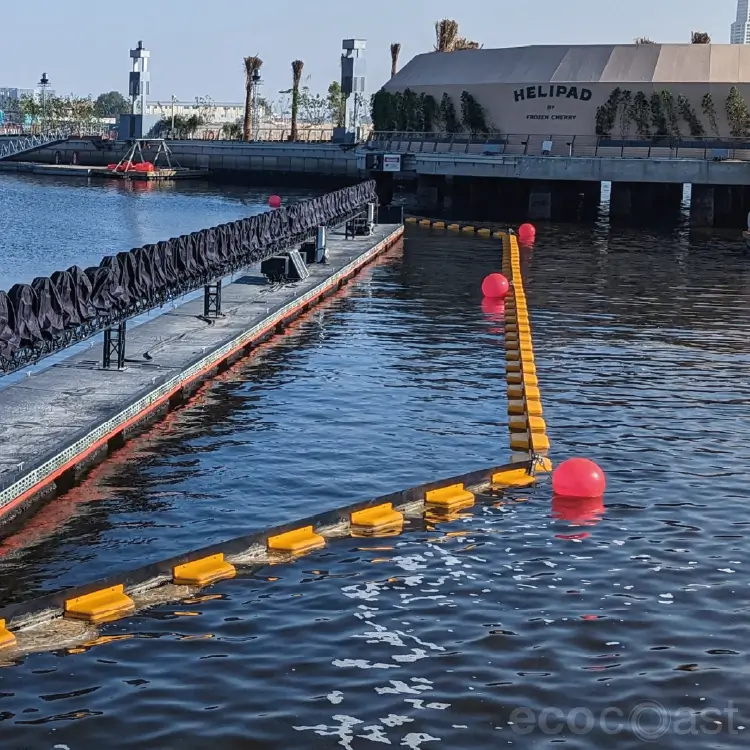
Our answer? The Bolina Watercraft Safety Boom, CAB600. We installed a 120-meter (about 395-foot) barrier, creating a clear, physical boundary.
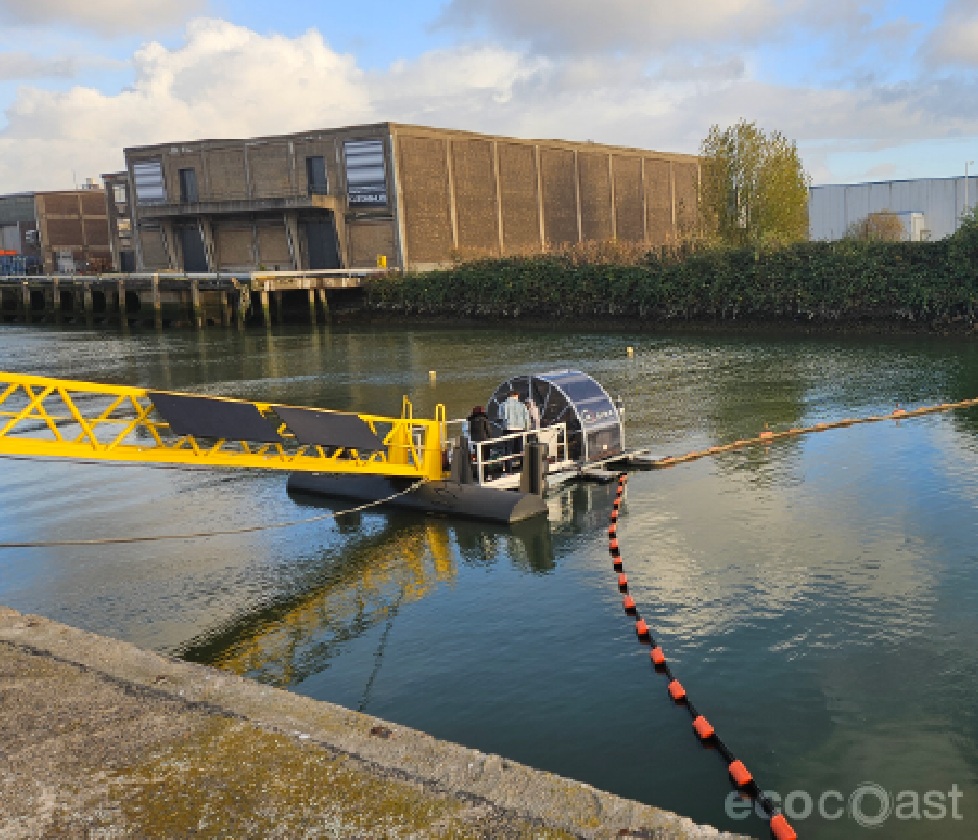
The best part: A gate you can open from your boat! For maintenance or specific access, our client needed a way to get through the barrier. Instead of needing a separate workboat and a whole crew just to open a gate, we added a special feature to the CAB600. This gate section allows users to easily open and close the barrier directly from their own boat. It’s a significant time-saver and makes the whole operation incredibly efficient.
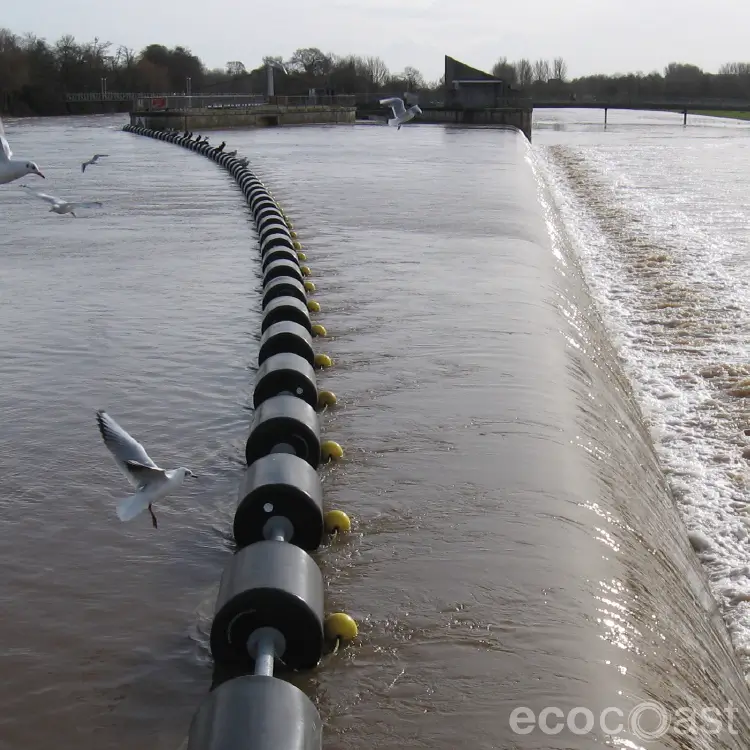
Whether it’s the waters of the Arabian Gulf or a busy river in Europe, the CAB boom stands out for a few simple reasons:
Safety first: Designed with input from organizations like the British Canoe Union, it’s built to stop watercraft safely without causing damage or injury. It’s tough enough to keep people out, but “forgiving” enough if someone accidentally bumps into it.
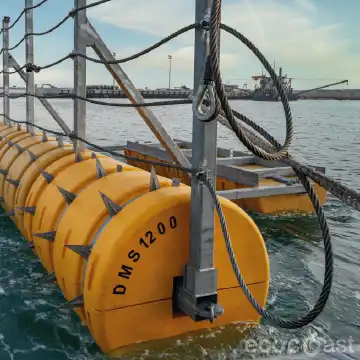
Unsinkable and durable: Made with durable, UV-stabilized materials and a special foam core, it won’t sink, even if it gets punctured. This helps maintain performance and structural integrity, even under the intense UAE and Saudi sun.
High visibility: With bright colors and optional reflective strips, these booms are hard to miss, whether it’s high noon or the middle of the night.
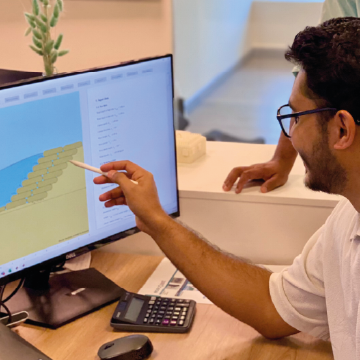
Engineering-led customization: As we showed with our recent UAE project, the boom is only half the story. Our in-house engineering team plays a key role in every installation. Our engineers design everything from unique boat-operable gates to the specific mooring requirements needed for local currents. By focusing on these details, they ensure every system fits the exact technical needs of the site.
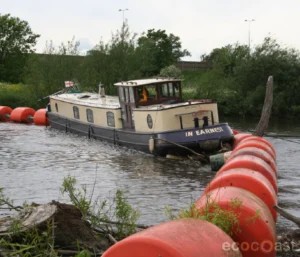
This trend of using “hard boundaries” on the water is growing everywhere. Whether in the UK, UAE or KSA, the goal is the same: Better control for a better future.
🇬🇧 In the UK: The government is a founding member of the Global Ocean Alliance. Locally, this means stricter zoning in Marine Conservation Zones (MCZs). This to ensure that fragile seabeds and carbon-capturing seagrass meadows are physically shielded from anchor damage and unauthorized vessels.
🇸🇦 In Saudi Arabia (KSA): Under the Saudi Green Initiative, the Kingdom is rapidly expanding “no-take” zones to allow coral reefs to recover.
Additionally, the Saudi Red Sea Authority (SRSA) has established new regulations. These require high-standard infrastructure to keep tourists in designated safe zones and away from heavy commercial traffic.
Further in KSA, massive desalination plants and new smart city hubs now require impenetrable barriers. These physical boundaries are essential to prevent unauthorized access and ensure the security of the national water supply.
🇦🇪 In the United Arab Emirates (UAE): The nation is aggressively pursuing its “30 by 30” Goal by expanding Marine Protected Areas (MPAs) like the Marawah Marine Biosphere Reserve. Demarcating these waters is critical to protecting rare species like dugongs from boat strikes and habitat destruction.
The move towards better-managed, more secure waterways is here to stay. Smart physical solutions like the Bolina Watercraft Safety Boom with custom engineering remain essential in a digital world. They help draw the line, keep everyone safe and protect our waters for the future.
–
Ready to secure your waterway? Contact our team today to learn more about our watercraft safety range and our custom engineering solutions.
Share:





 Prev Blog

 Related Blog Posts